Nutrition November 26, 2025
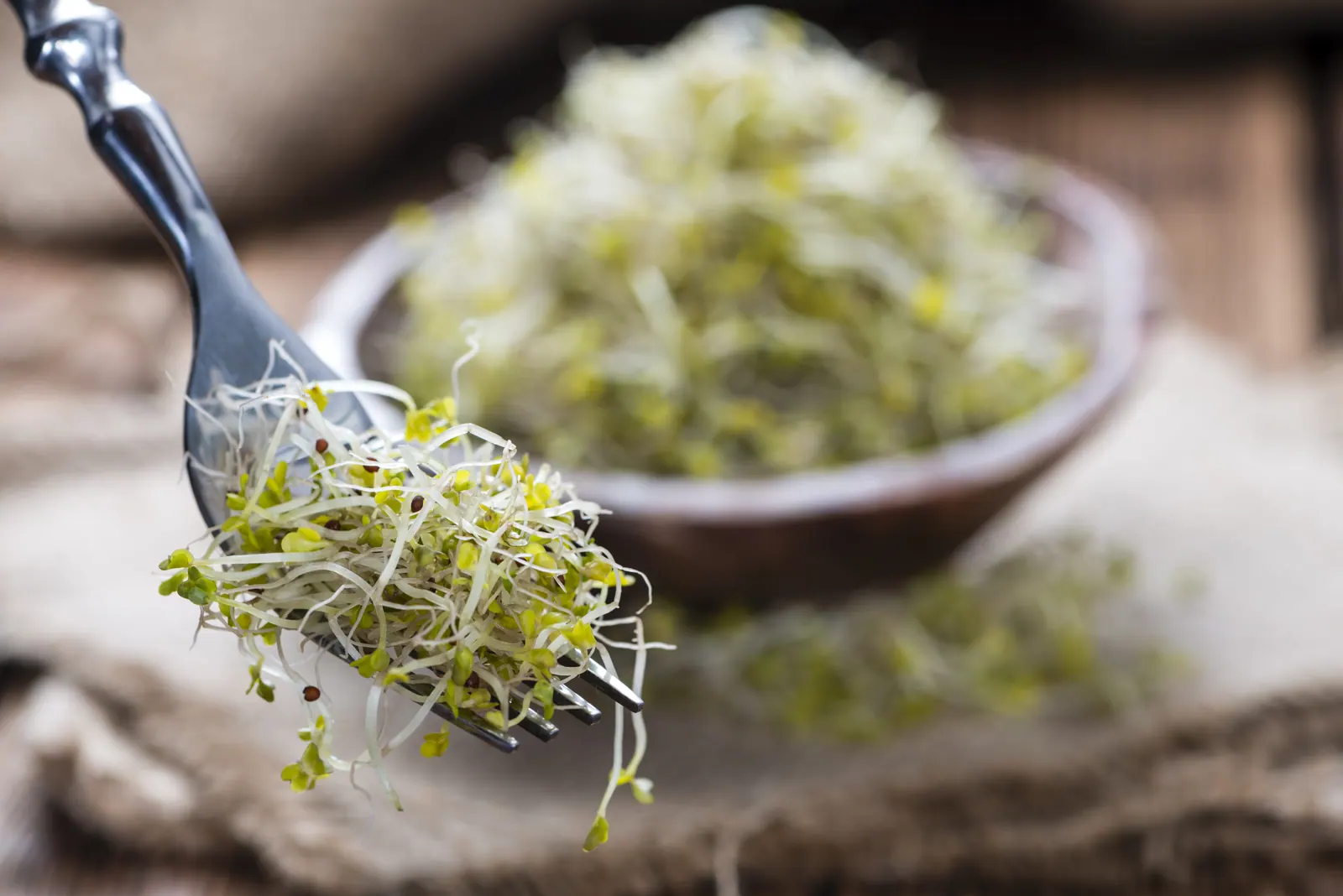
Microgreens vs Vegetables: Which is Better for You? 🌱⚖️🥬
Microgreens contain up to 40x more vitamins and antioxidants than mature vegetables. Learn how they compare and why both belong in your diet.
Read More →
Growing tips, nutrition facts, recipes, and stories from our family farm.
Expert insights on growing, eating, and thriving with microgreens. Written by our family for yours.
Microgreens contain up to 40x more vitamins and antioxidants than mature vegetables. Learn how they compare and why both belong in your diet.
Read More →
In 1992, Dr. Paul Talalay's lab at Johns Hopkins discovered the most potent natural phase 2 enzyme inducer ever measured. The next 30 years of research changed how science views cruciferous vegetables.
Read More →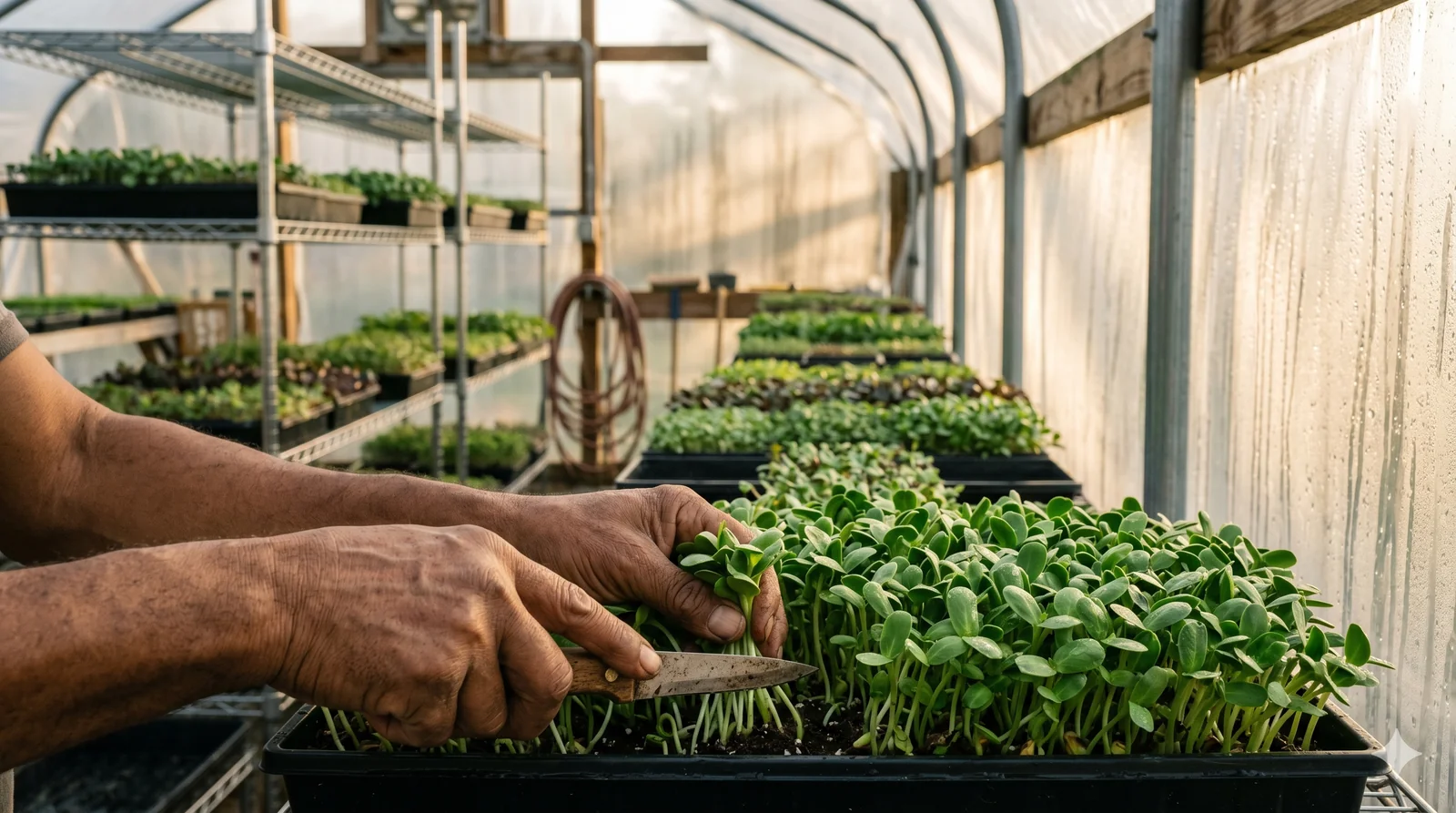
microGREEN FX is the only 100% minority-owned and minority-run microgreens farm in Montgomery County, PA. The history, the policy, and the work that makes that sentence true. Founded by Sergio and Celine Markarian in Schwenksville.
Read More →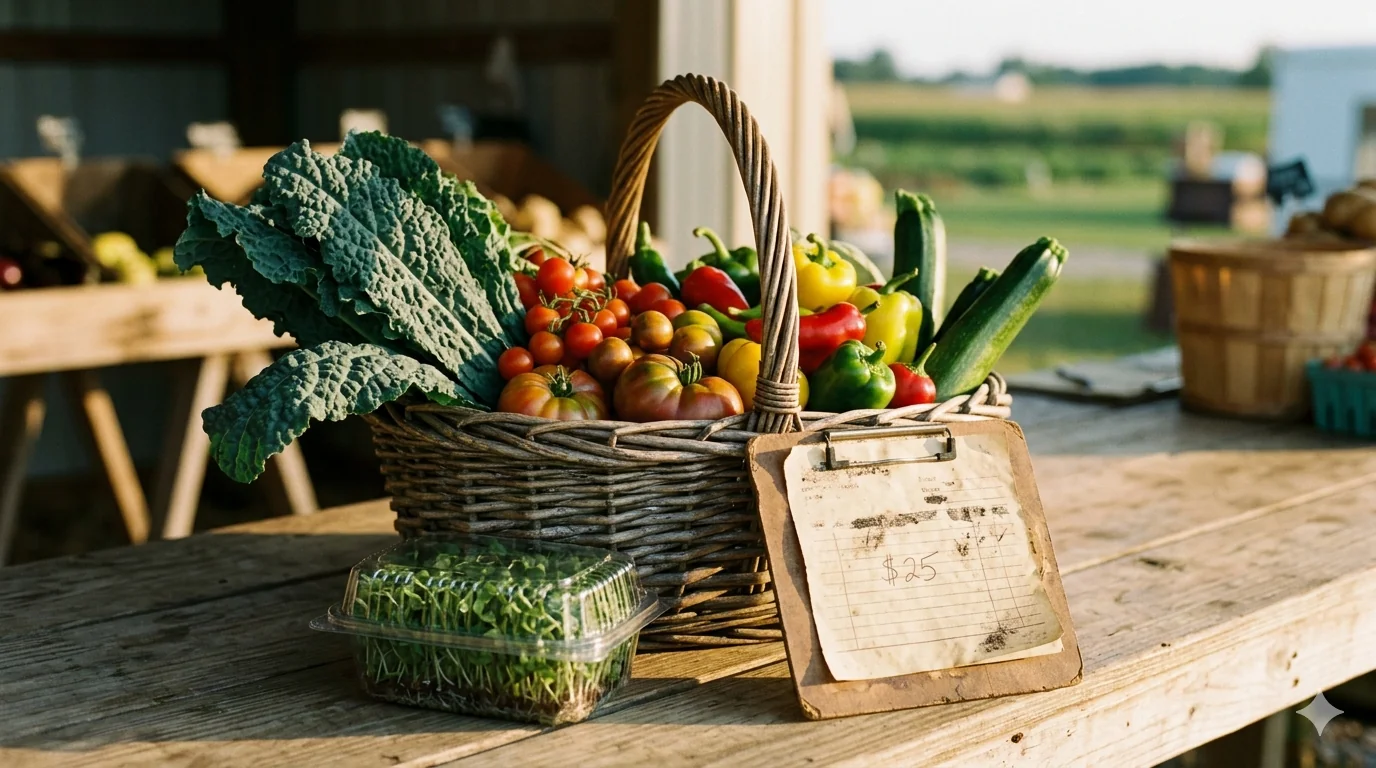
A 4oz microgreen tray costs the partner farm $4 wholesale. Members pay $8-12 retail. Across a 22-week CSA season with 80 members at 50 percent take rate, that is $7,000-13,000 in net add-on revenue with zero growing labor.
Read More →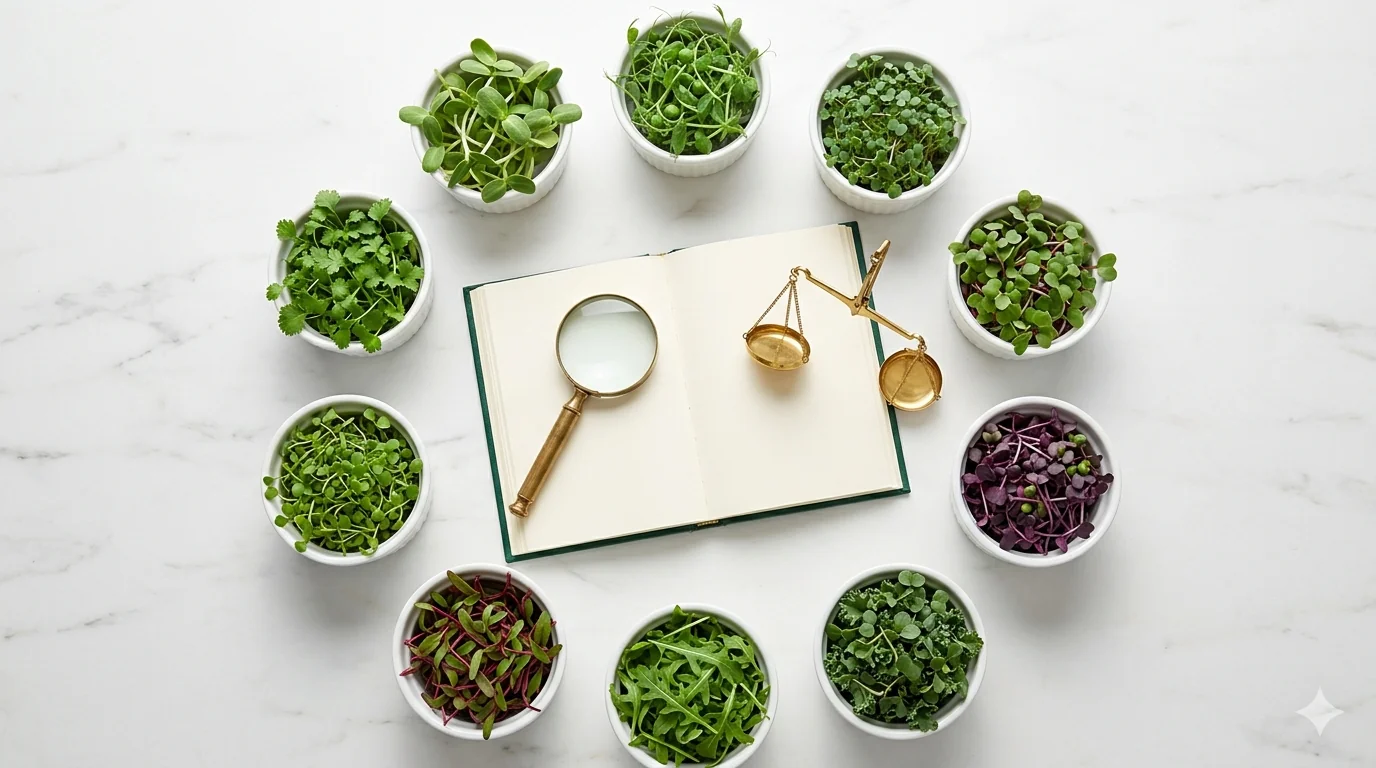
Microgreens contain 4-40x more nutrients than mature vegetables. The top 10 science-backed benefits, from sulforaphane to lutein.
Read More →
"Farm fresh" gets used loosely. Same-day-harvest delivery is something specific with measurable quality differences. Vitamin C, chlorophyll, texture, flavor. Here is what changes between hour 1 and hour 24.
Read More →
You do not need to build a microgreen room, hire labor, or take on the learning curve. SE PA farms partner with microGREEN FX wholesale, slot the trays into existing CSA logistics, and keep 40 to 60 percent margin.
Read More →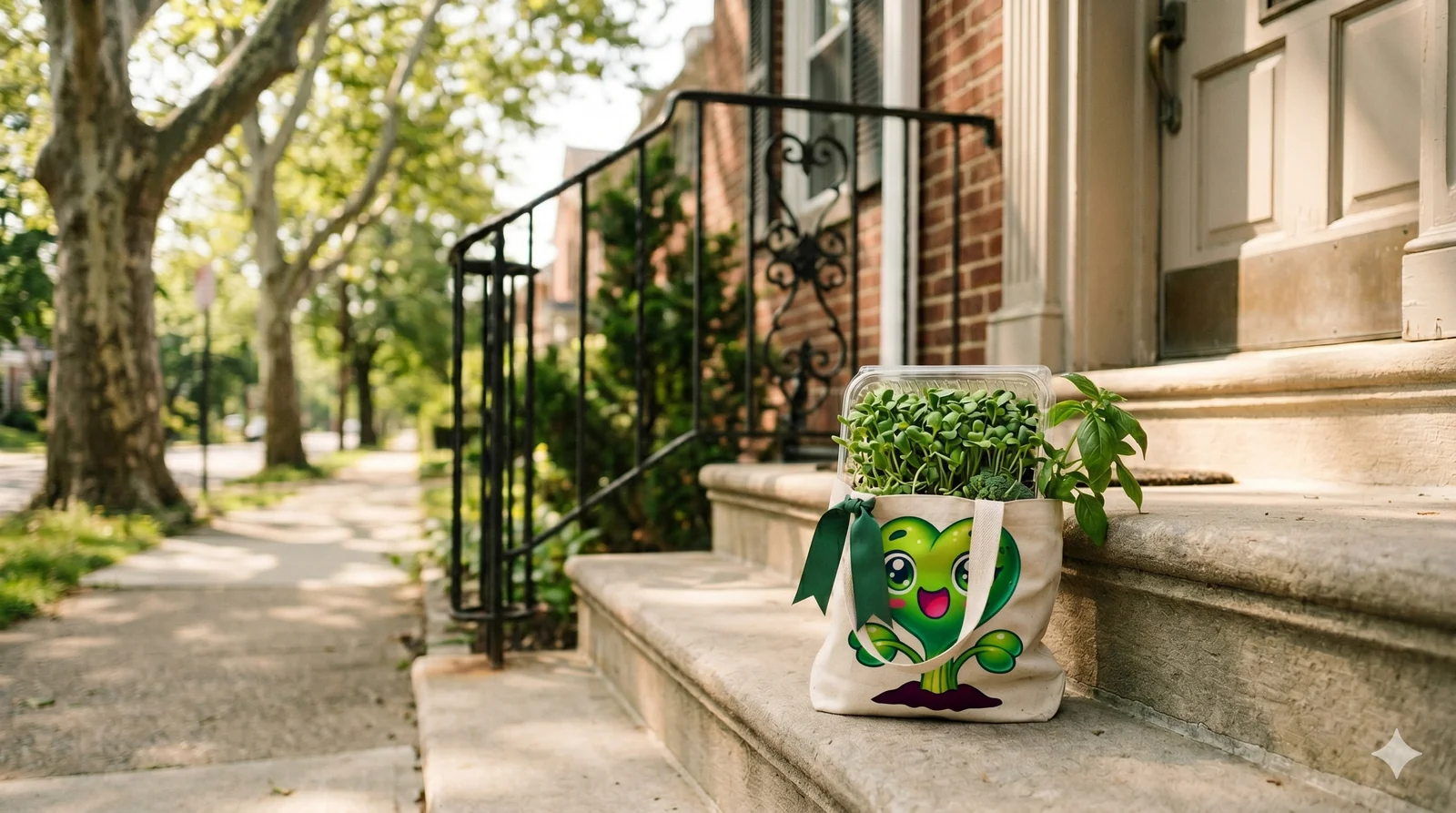
Freshest microgreens in Delaware County, PA, cut at 6am and delivered to Media, Springfield, Drexel Hill, and Newtown Square before lunch. 27 varieties, free local delivery. Start your subscription.
Read More →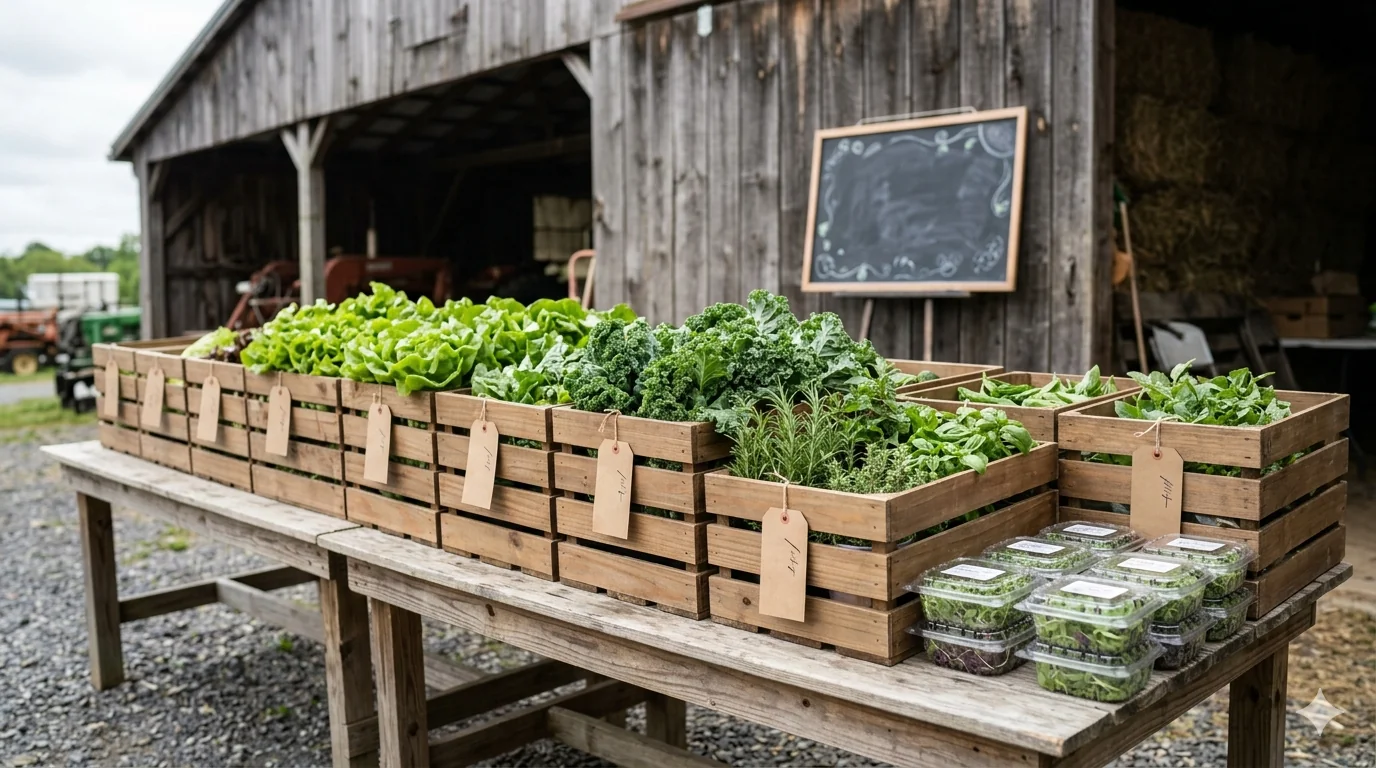
24 weeks of fresh microgreens at $10/week, the cheapest way to access farm-direct microgreens consistently in Pennsylvania. Here is how the partnership actually works.
Read More →
Most microgreen farms grow in peat-heavy soils that take 1,000 years to form, release massive carbon, and destroy bird and butterfly habitat. The science, the protests, and the better alternatives.
Read More →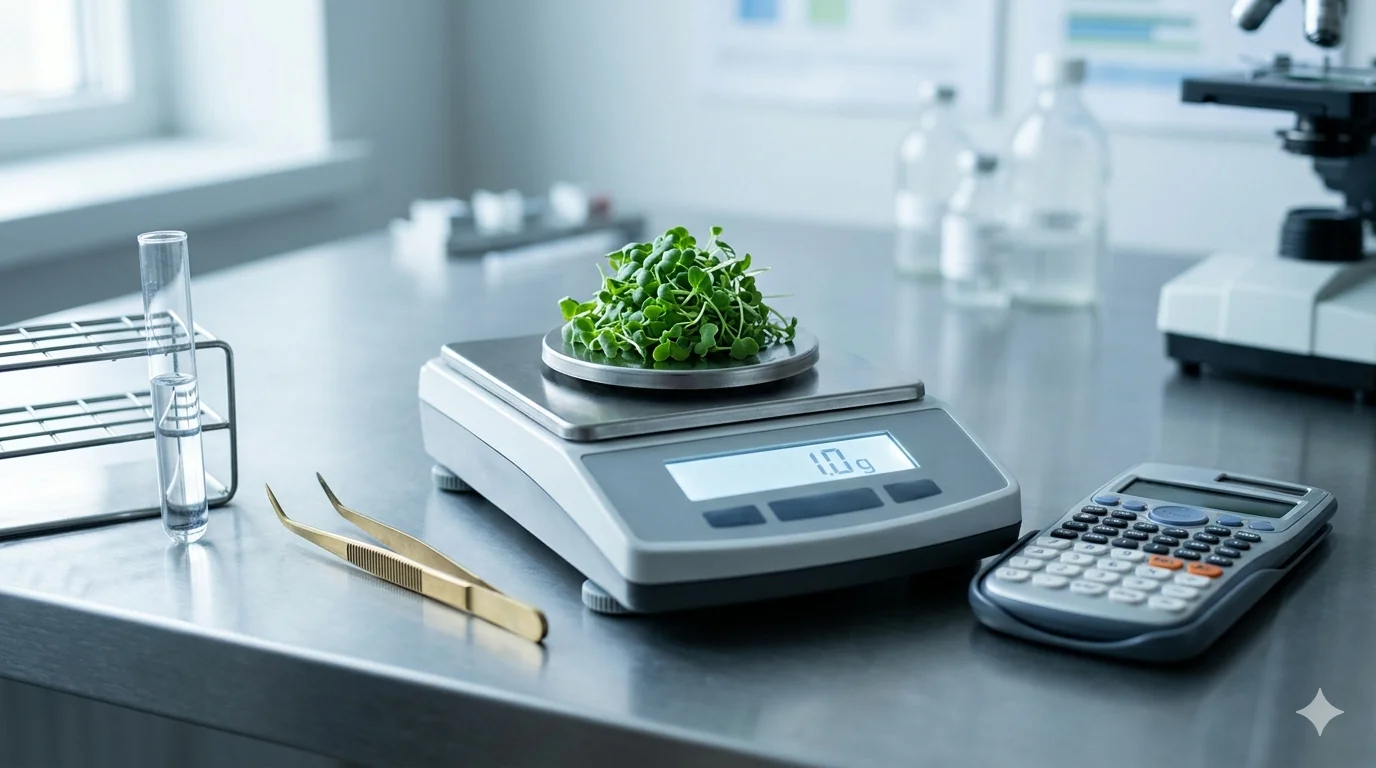
The Talalay lab at Johns Hopkins published the foundational paper in 1997. Broccoli sprouts contain 20 to 100x the sulforaphane precursor of mature broccoli. Microgreens sit in the same window. Here is the data.
Read More →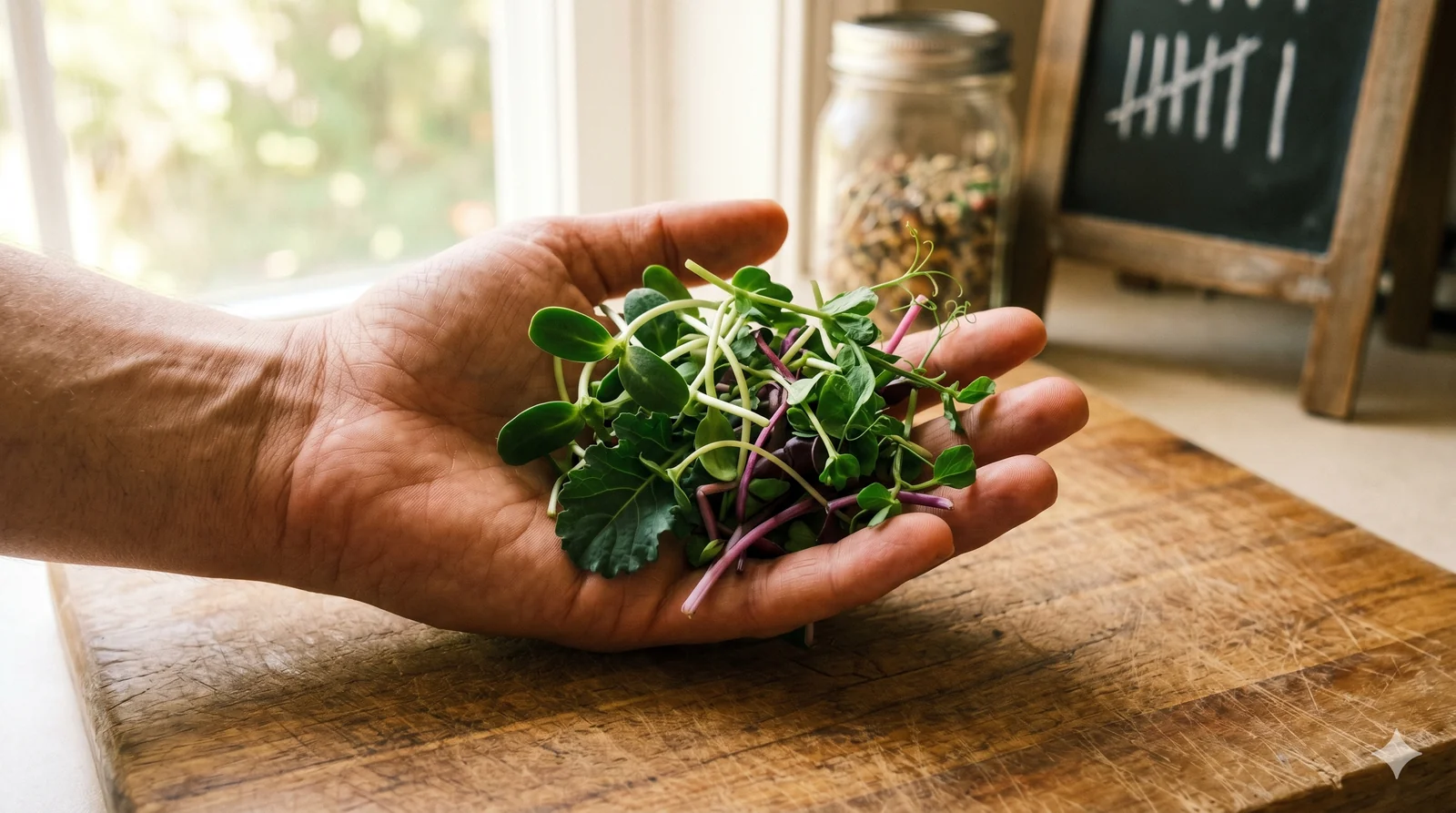
Daily in moderation. 1-2 oz per day works for most adults. Full guide on portions, variety, safety, and what to expect after 30, 60, and 90 days.
Read More →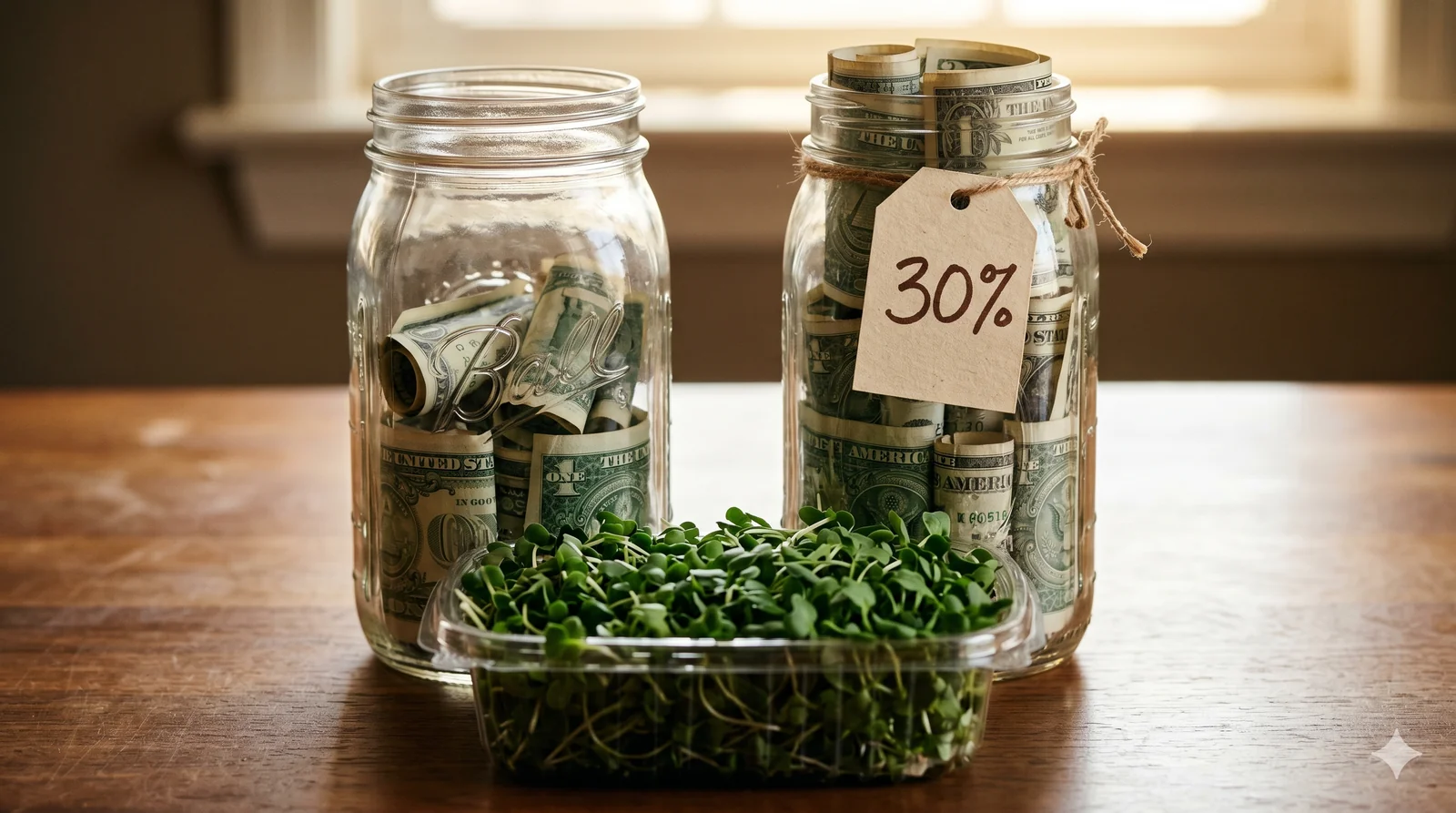
Households we surveyed report $30 to $50 per month in reduced grocery spend after switching. The savings are not on the receipt, they are in the spoilage line that does not exist on it. Here is the breakdown.
Read More →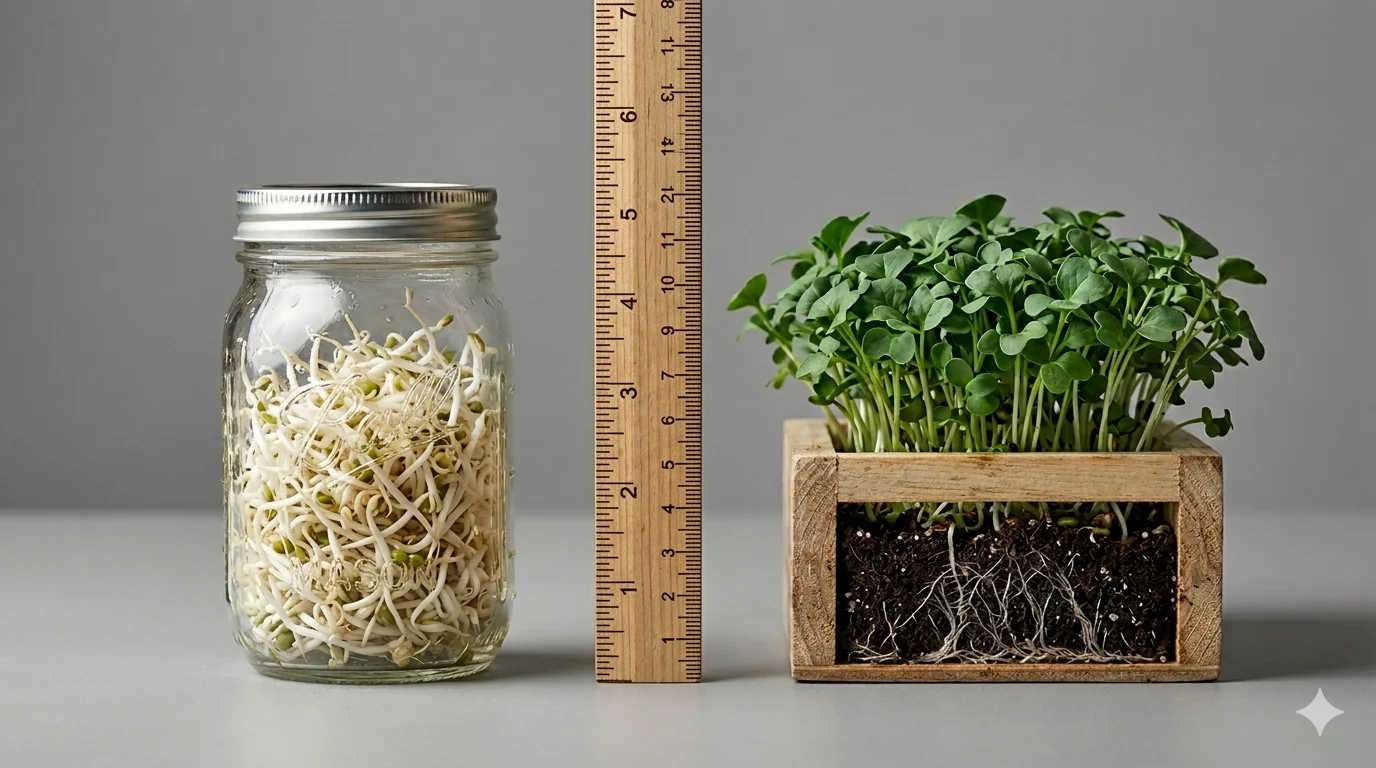
They look similar, but they are completely different. Learn why microgreens are safer, more nutritious, and more versatile than sprouts.
Read More →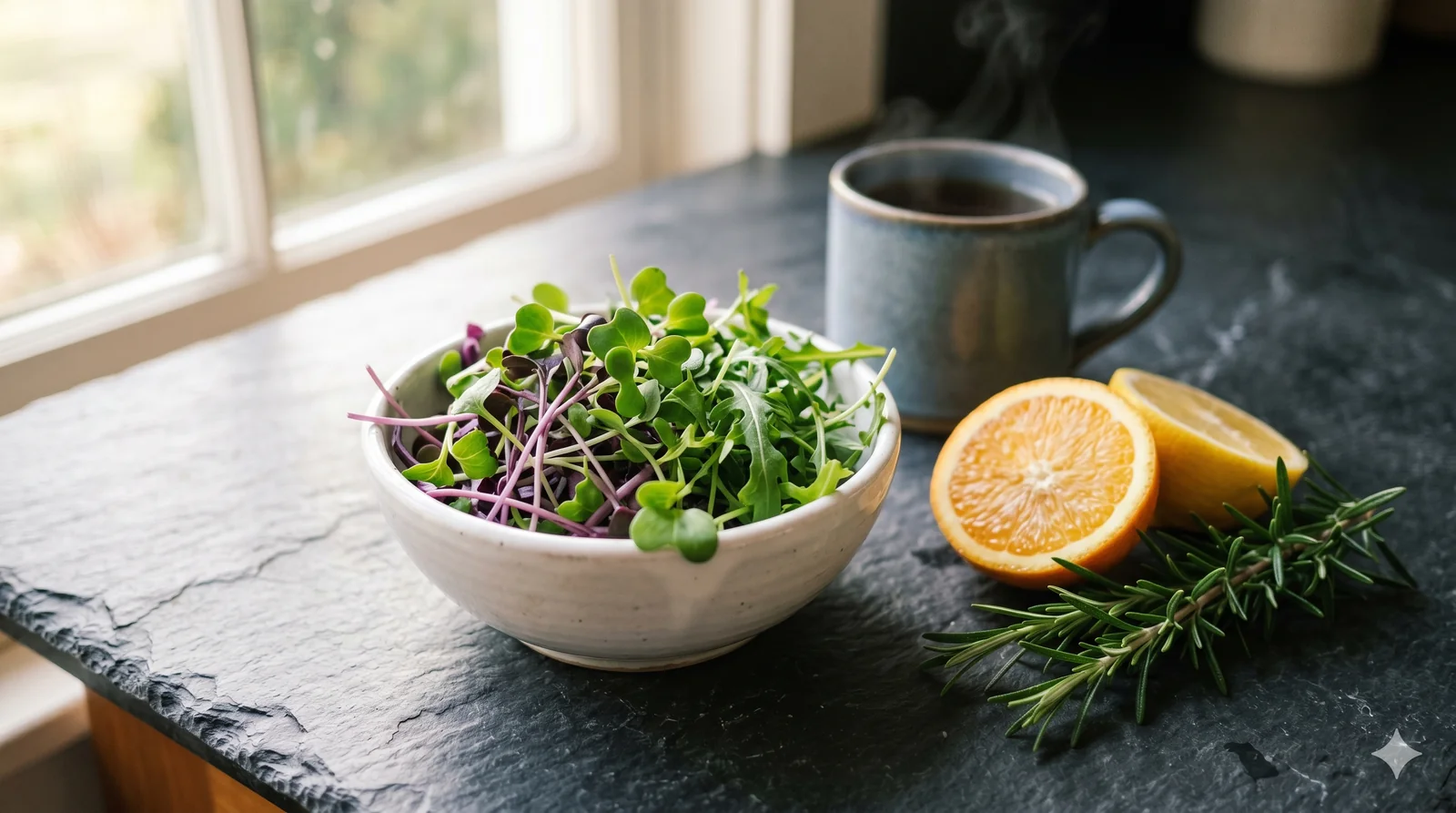
No food "boosts" your immune system, that is marketing. Real immune support is the steady supply of micronutrients your immune cells use as raw material. Microgreens are one of the densest sources.
Read More →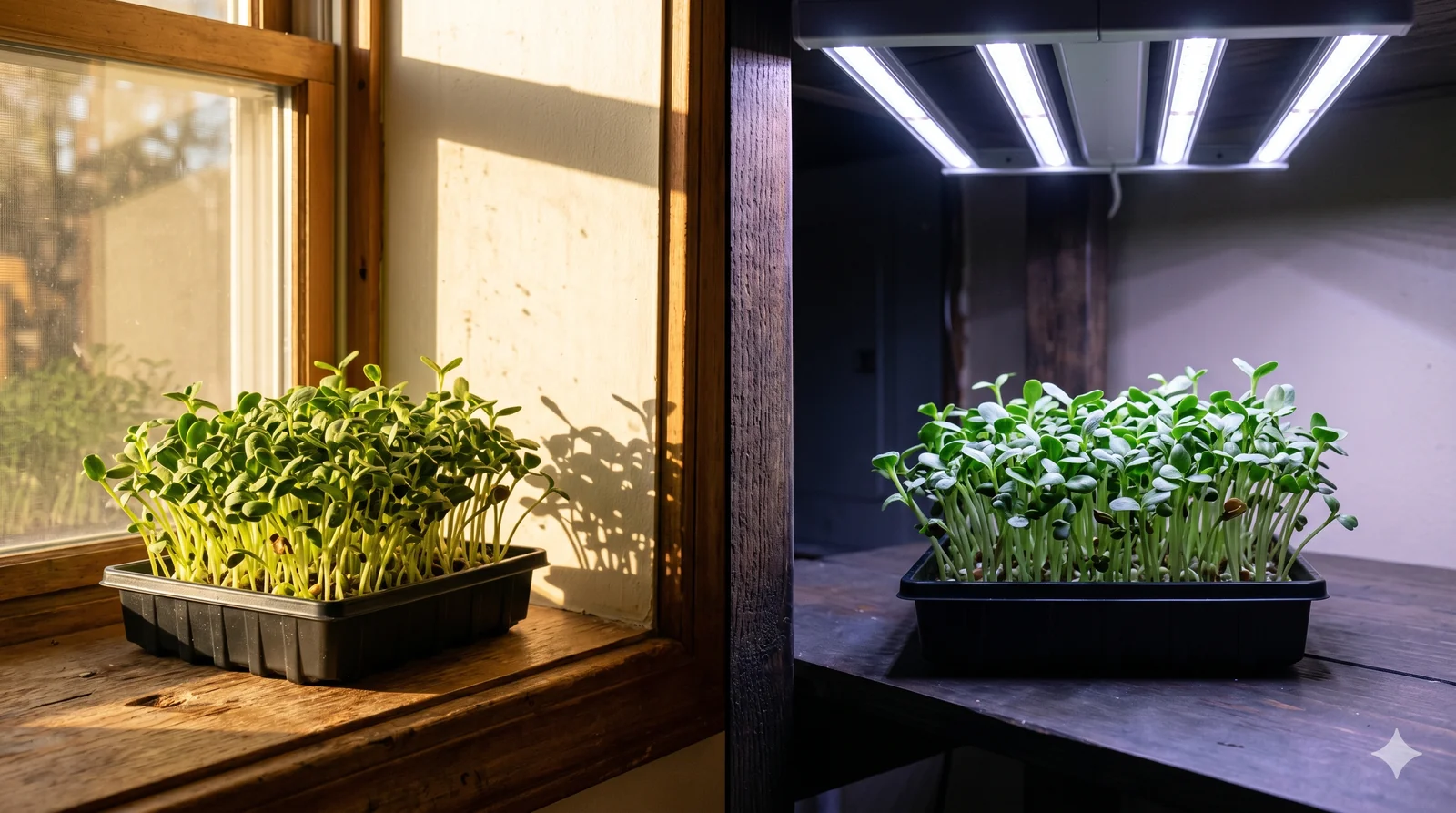
The peer-reviewed science on sunlight vs LED nutrition, UV-B, sulforaphane, anthocyanins, vitamin C. What the sun delivers that no LED can, where indoor wins, and why microGREEN FX uses both.
Read More →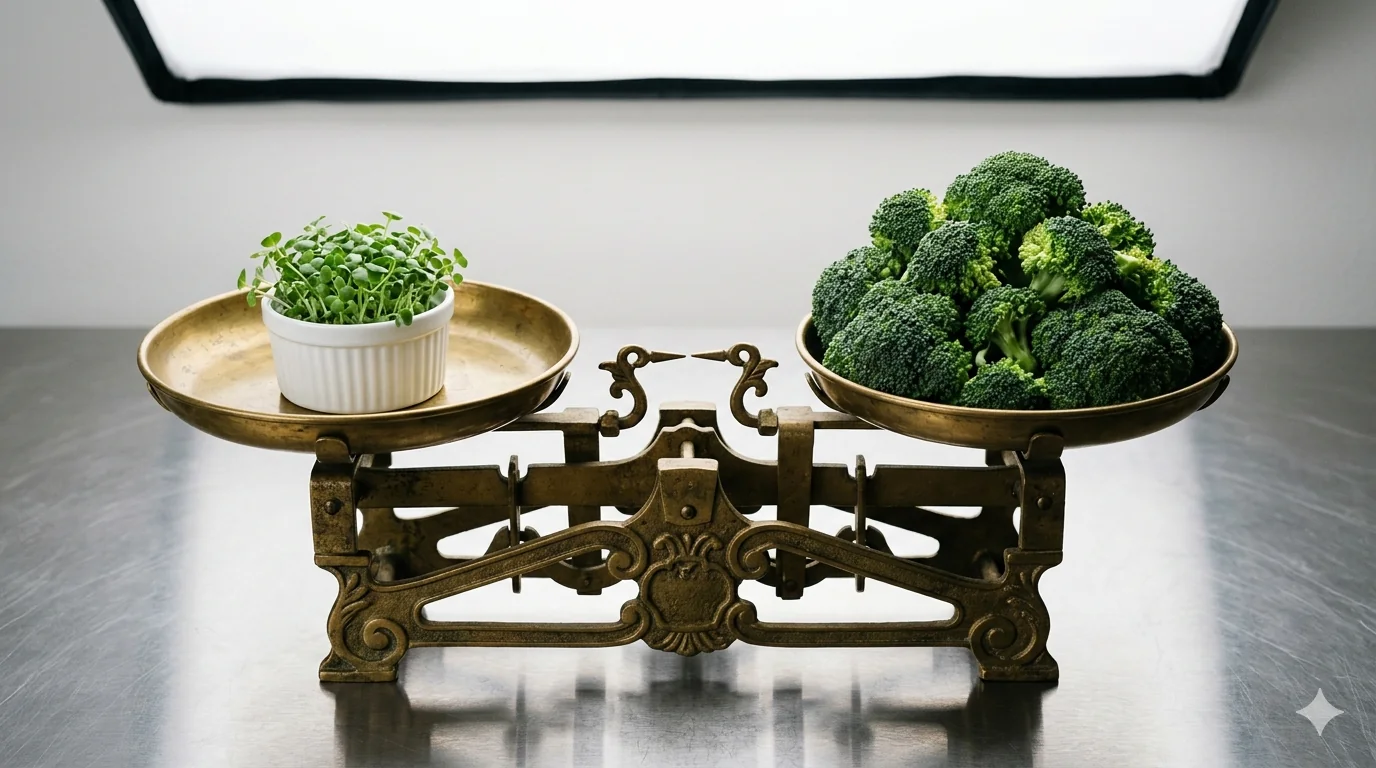
Peer-reviewed research proves that one ounce of microgreens delivers the same nutrients as up to 2.5 pounds of mature vegetables.
Read More →
Check appearance, smell, texture, and moisture. Simple signs that tell you whether your microgreens are fresh, past prime, or ready to toss.
Read More →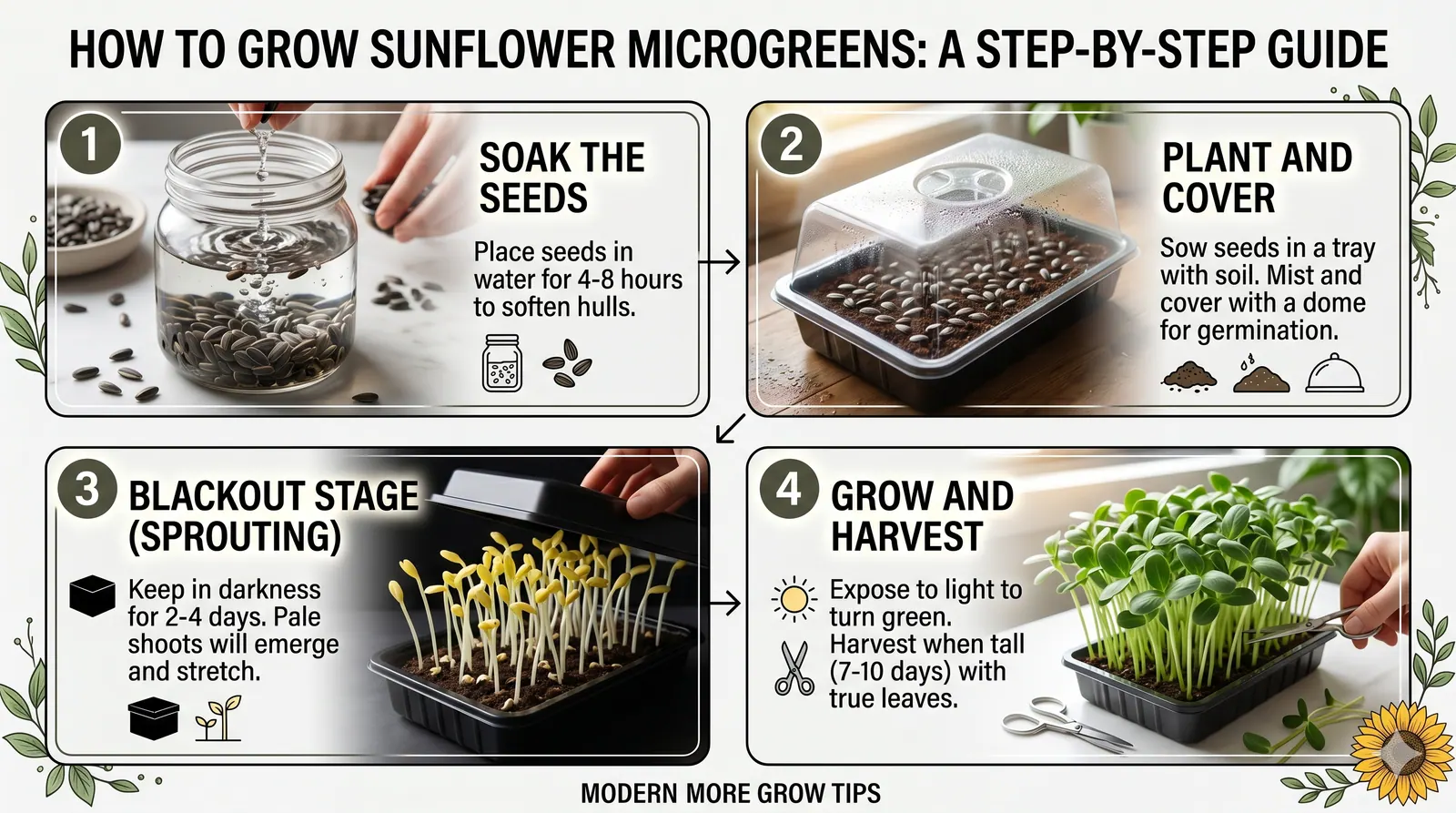
Complete guide with exact data: 110g seeds, 8-12hr soak, H2O2 treatment, 2 days weighted blackout, 9 days light, 532g yield. Grow like a pro.
Read More →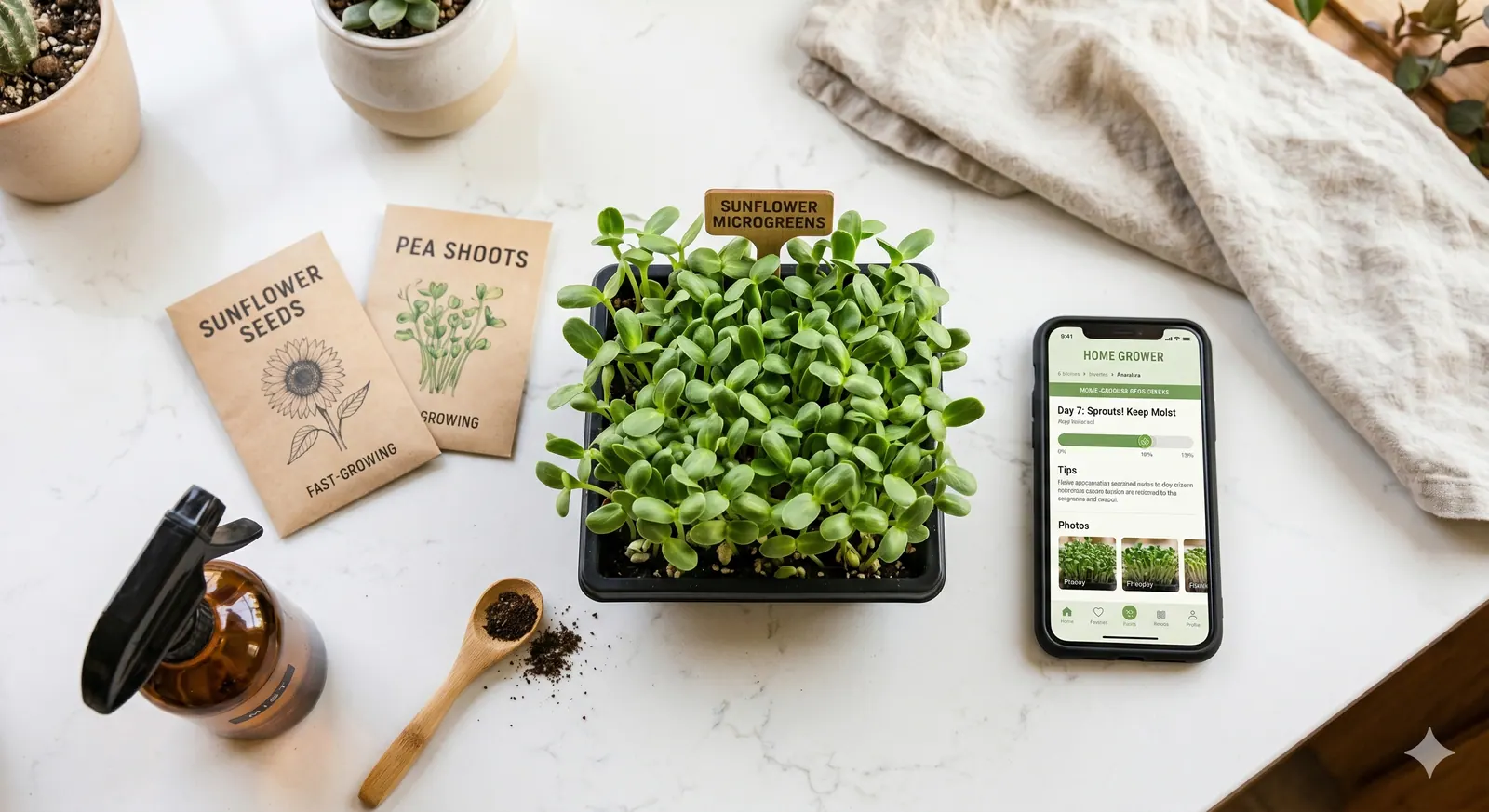
Find the best microgreens grow kit for beginners. Compare starter kits and discover why the microGREEN FX kit with GLAP app gives you professional results at home.
Read More →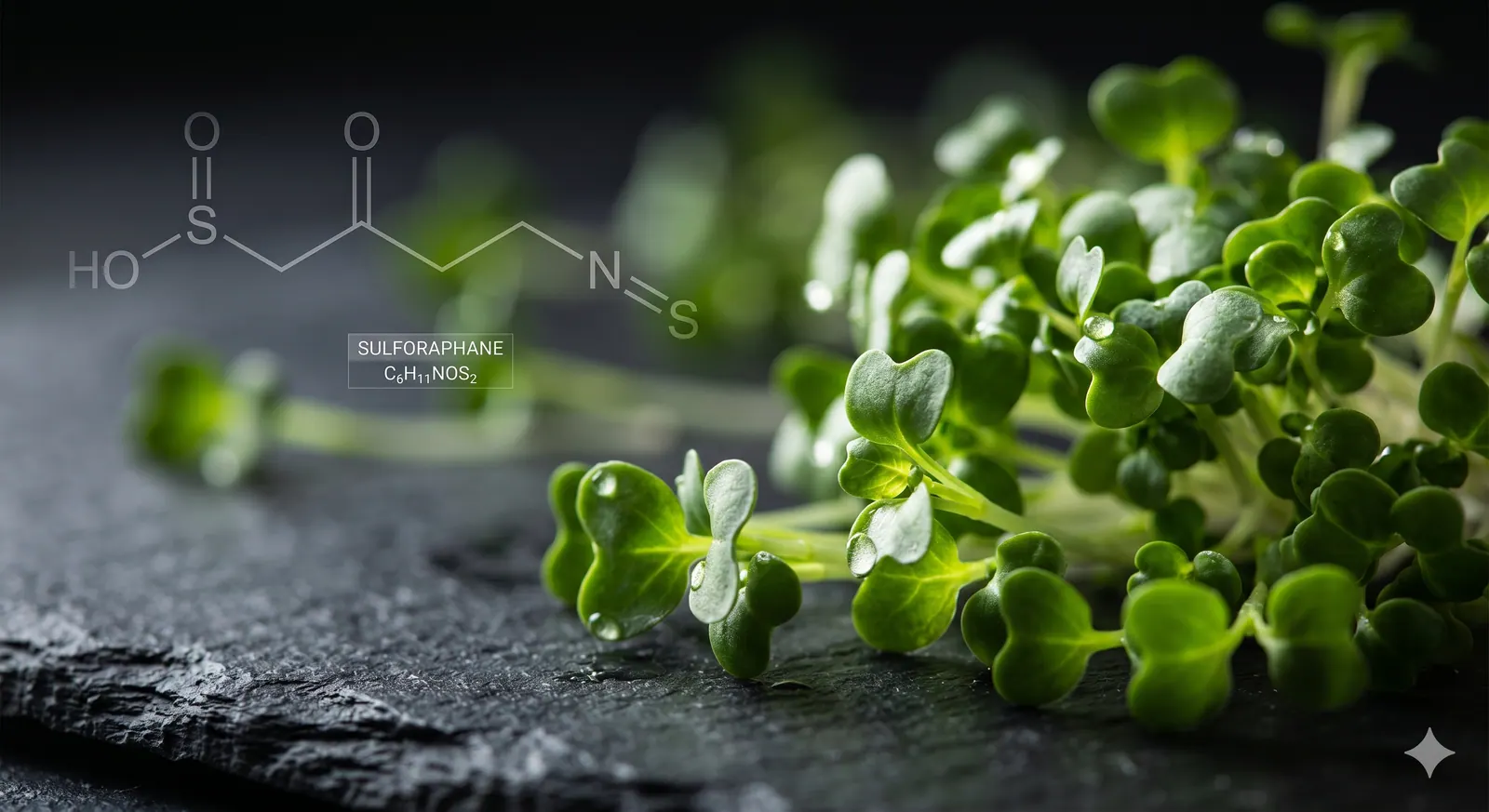
Broccoli microgreens contain up to 100x more sulforaphane than mature broccoli. Learn the peer-reviewed science behind this cancer-fighting compound.
Read More →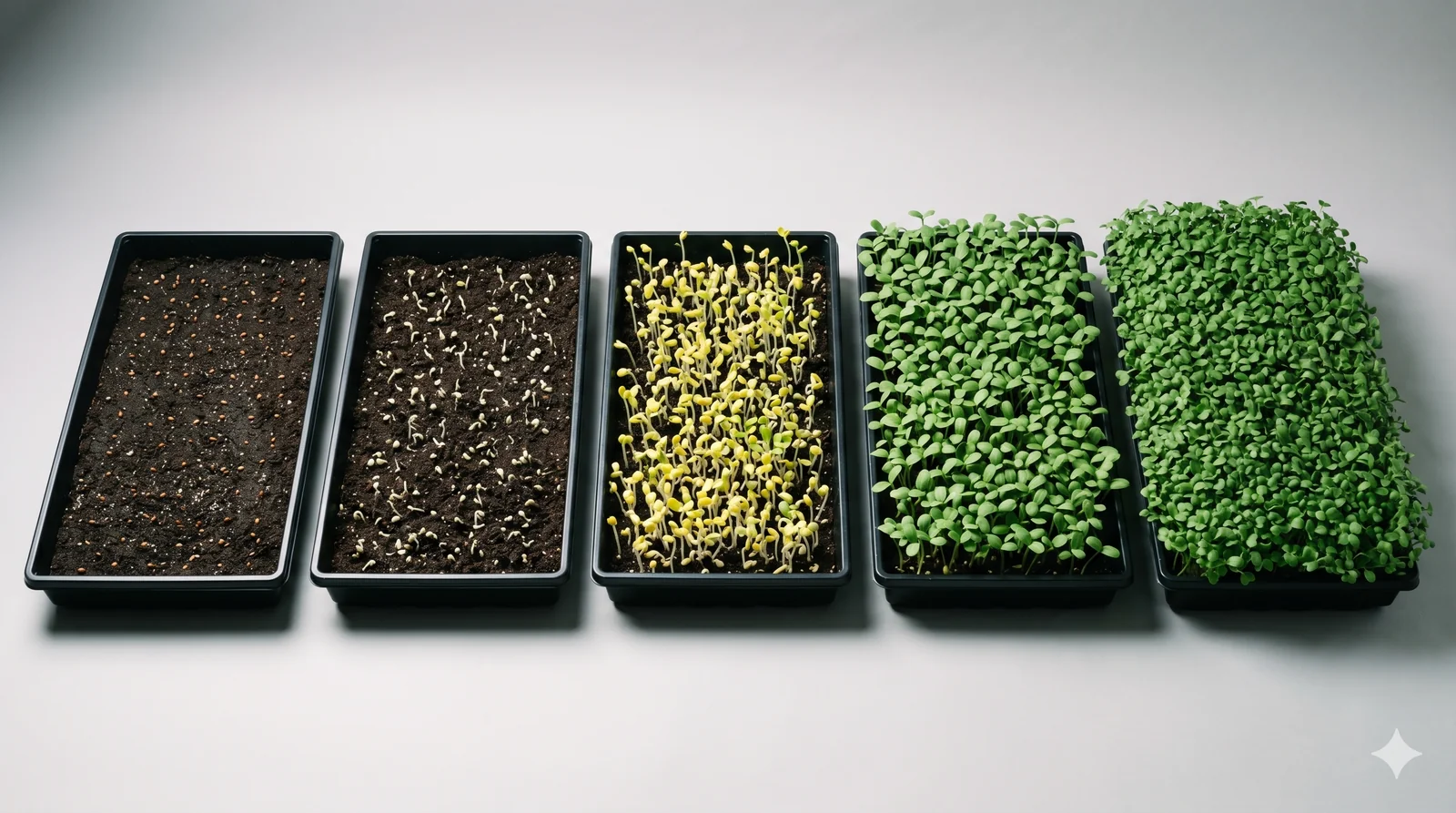
Day-by-day what happens between when we plant a microgreen seed and when it lands at your door. Real timeline. Real growing conditions. No marketing fluff.
Read More →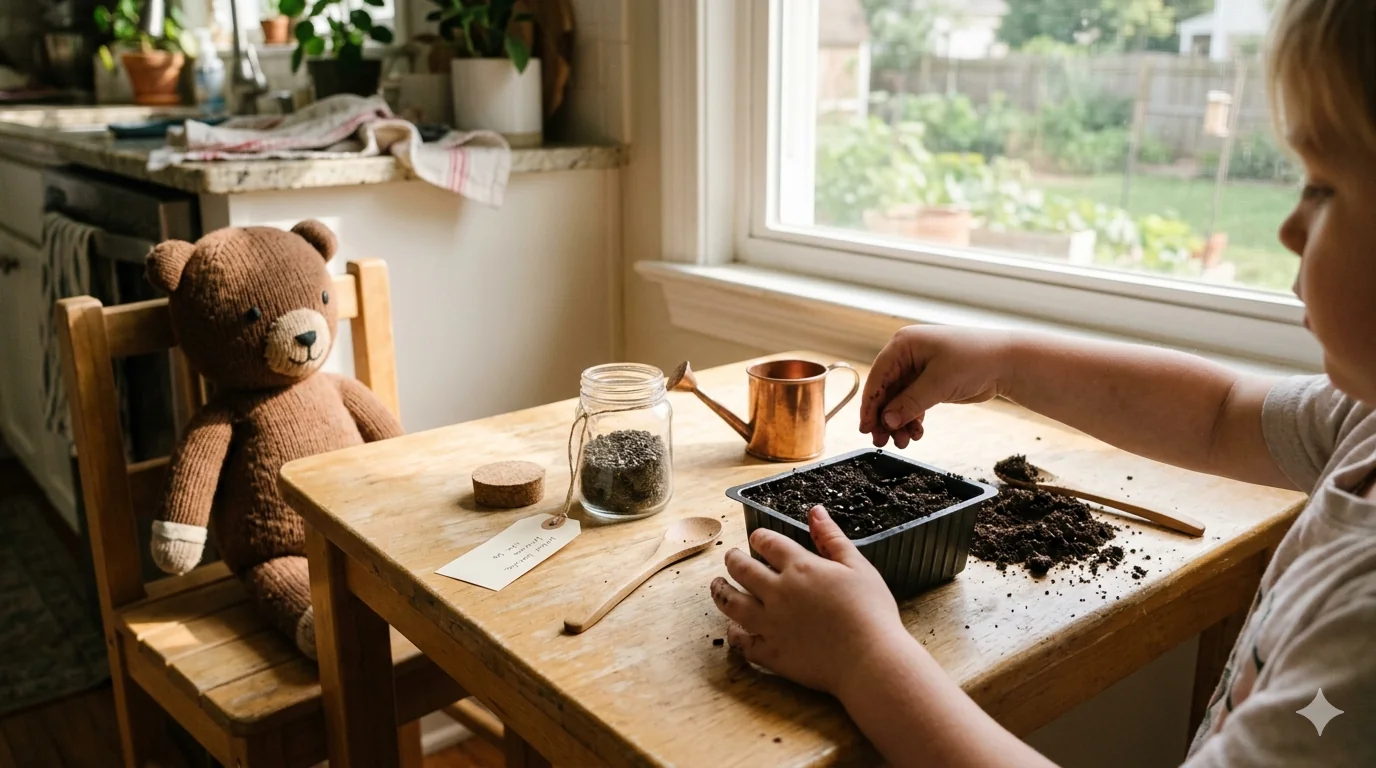
Microgreens are the easiest food crop a kid can grow start to finish in 10 to 14 days. Best beginner varieties, kid-friendly setup, and the kids classes we run on our family farm.
Read More →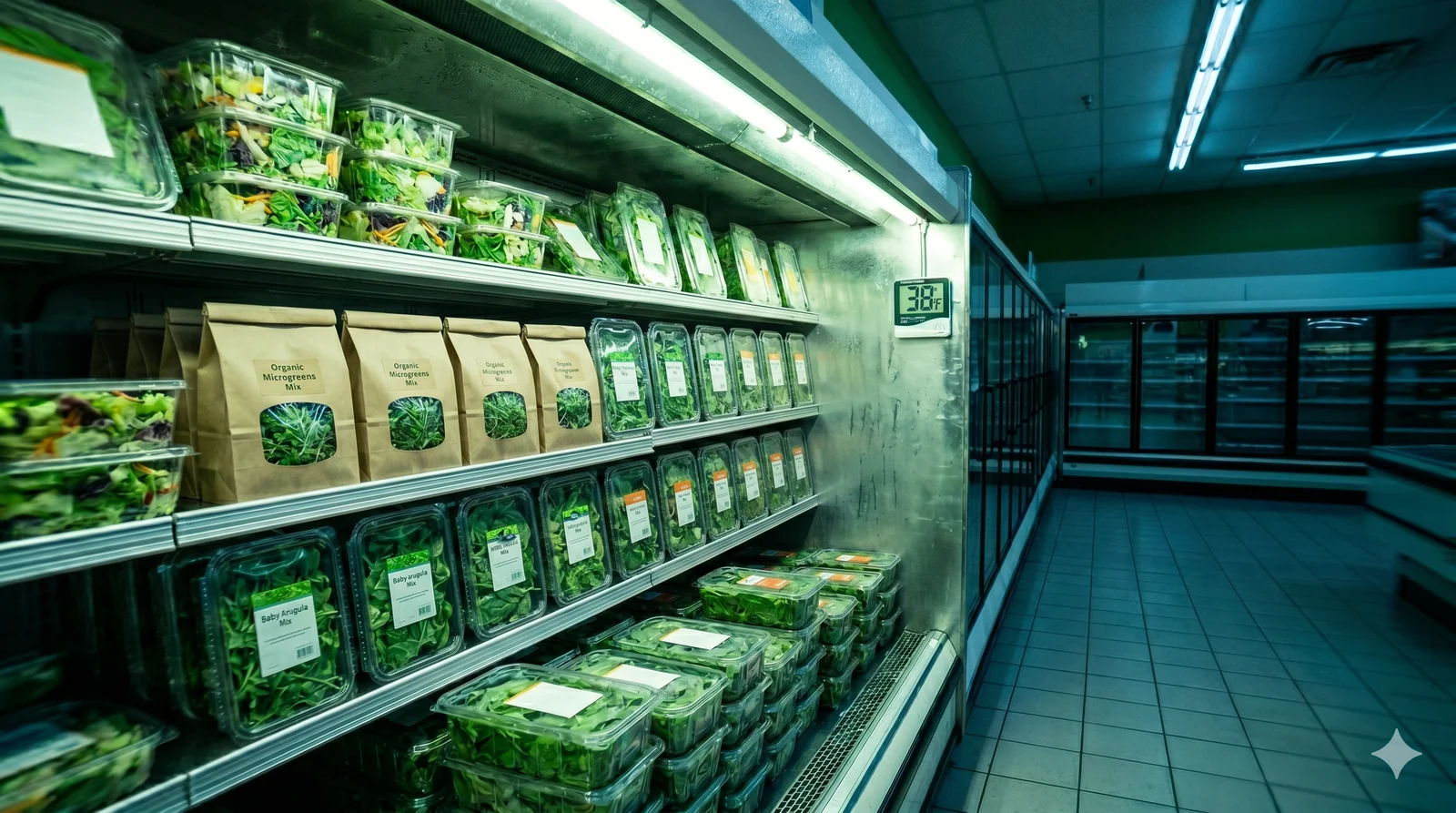
Supermarket greens travel 4 to 12 days from harvest to shelf, sit in a chlorine rinse, get sealed in a modified-atmosphere gas, and call themselves fresh. Here is what fresh actually means and why a subscription is a different product.
Read More →
We are 10 minutes from Collegeville, 15 from Pottstown, 20 from Lansdale, 25 from Phoenixville. Drive-time map and what to expect once you arrive at our family farm.
Read More →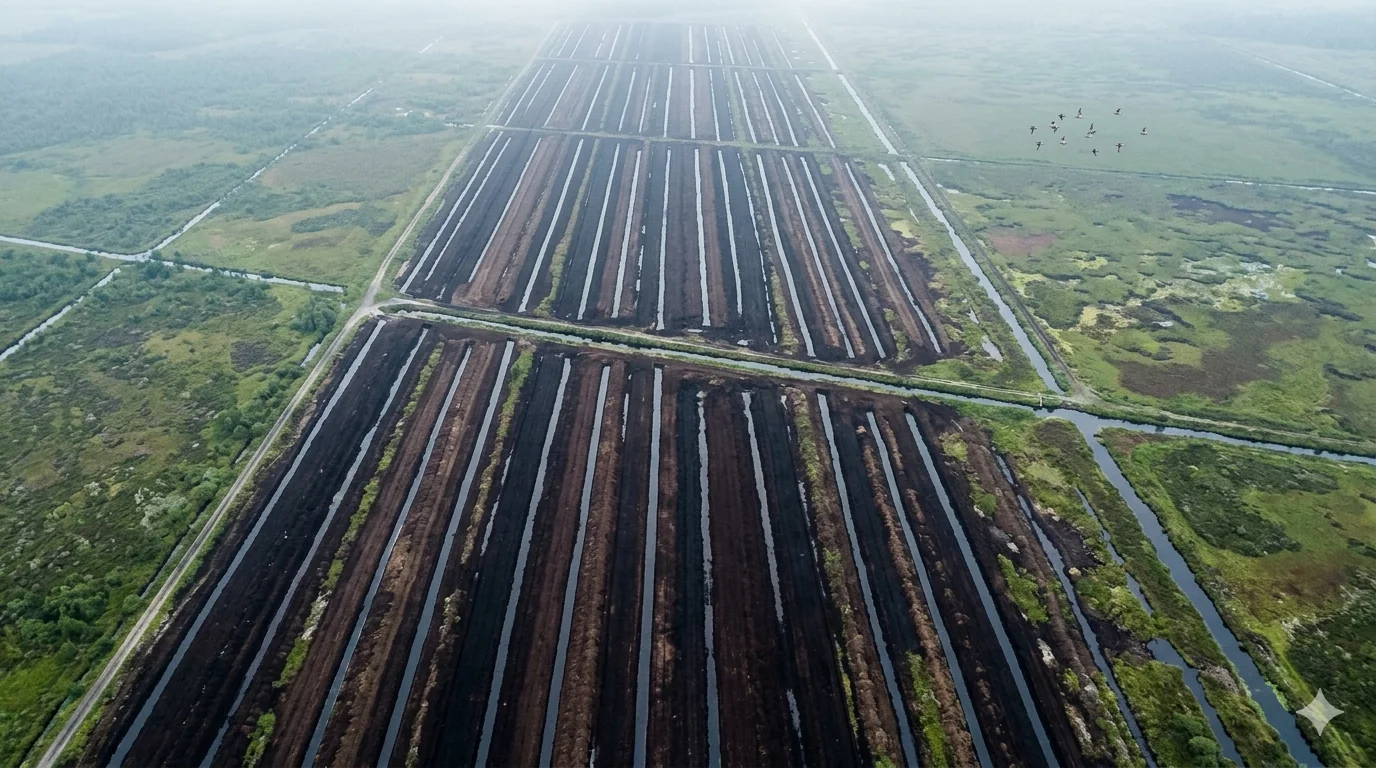
A peat bog that took 5,000 years to form can be drained and stripped in a single growing season. The carbon, the wildlife, and the watershed are gone within a decade. Here is the actual scale.
Read More →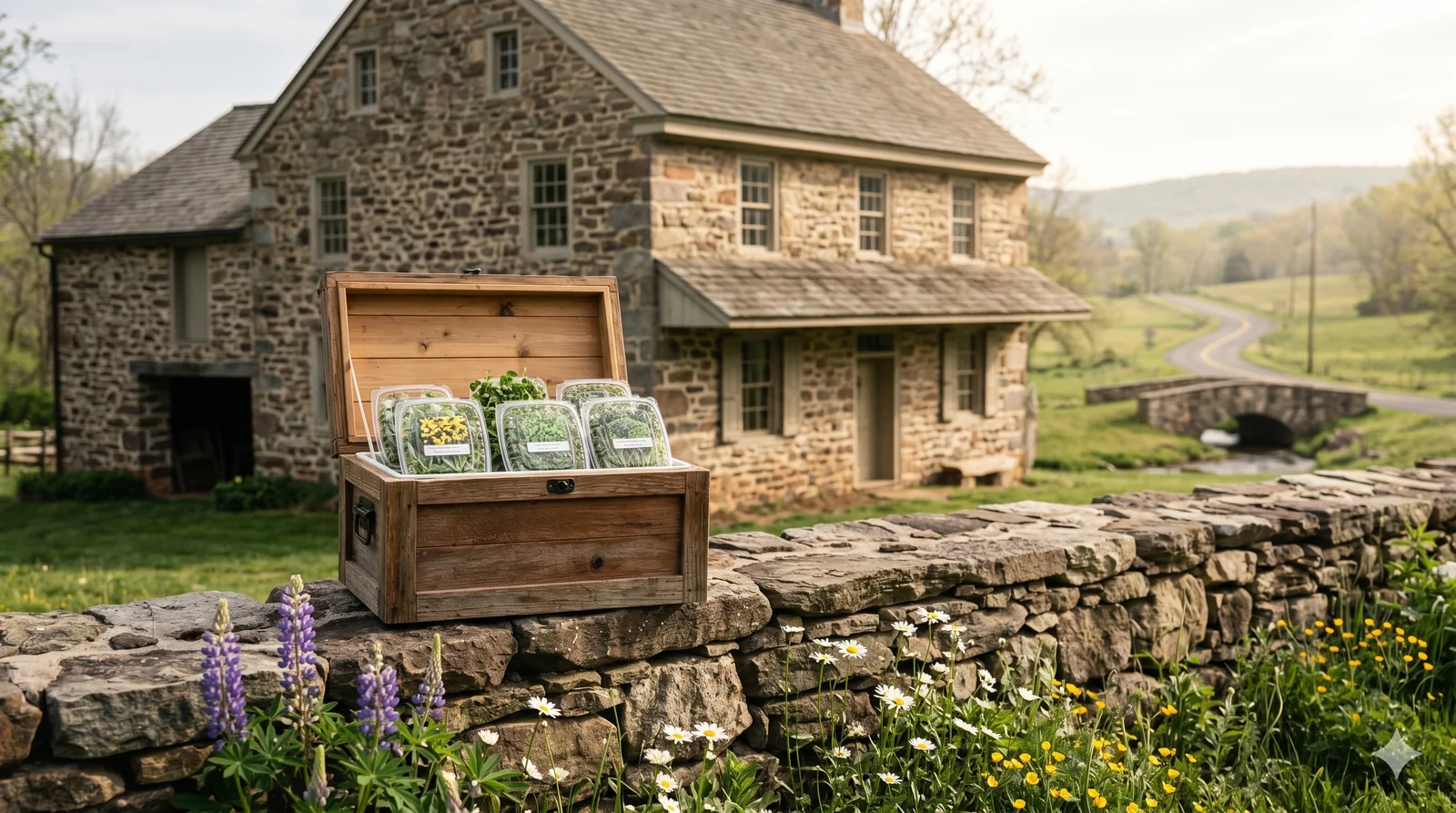
Freshest microgreens in Bucks County, PA, cut at 6am and delivered to Doylestown, New Hope, Newtown, and Yardley before lunch. 27 varieties, free local delivery. Start your subscription.
Read More →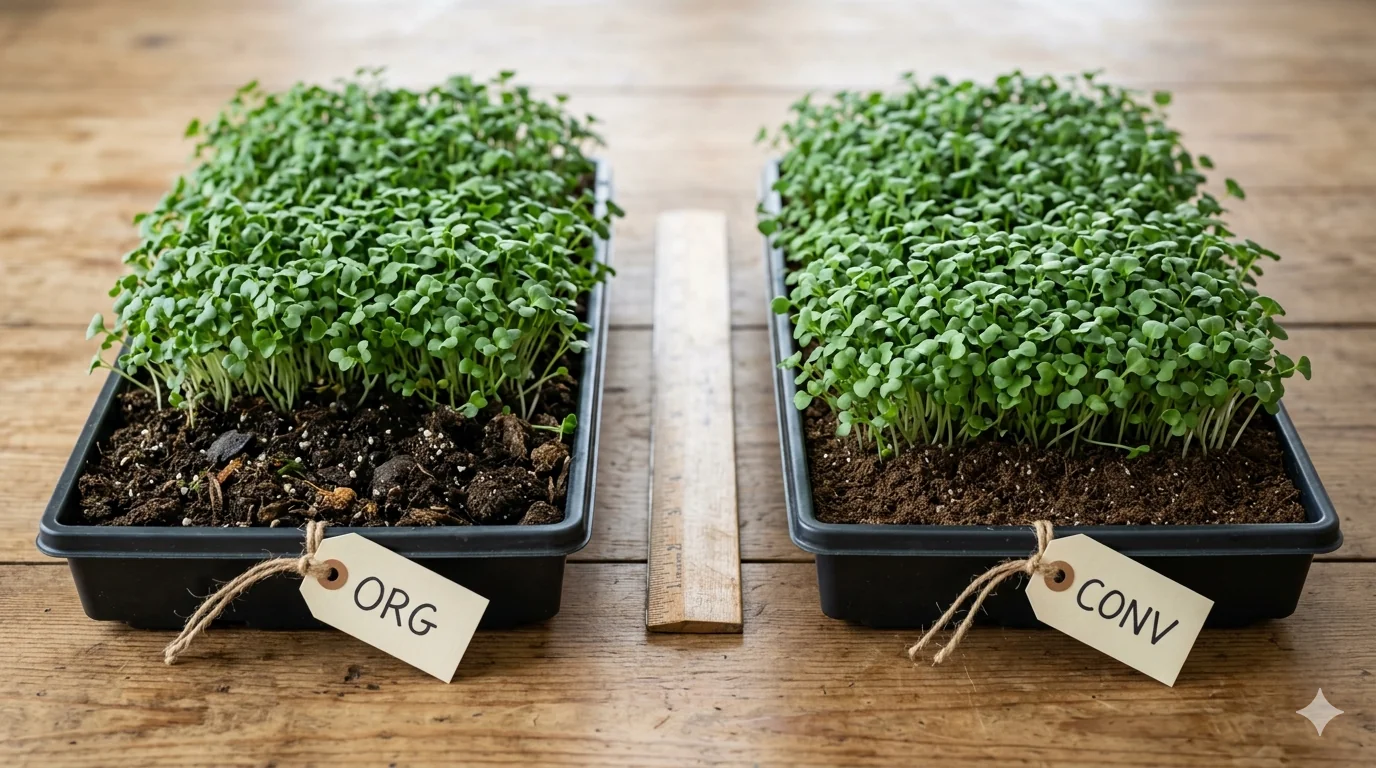
You eat the entire plant raw. What is in the soil and on the seed ends up in your body. Here is why organic matters more for microgreens.
Read More →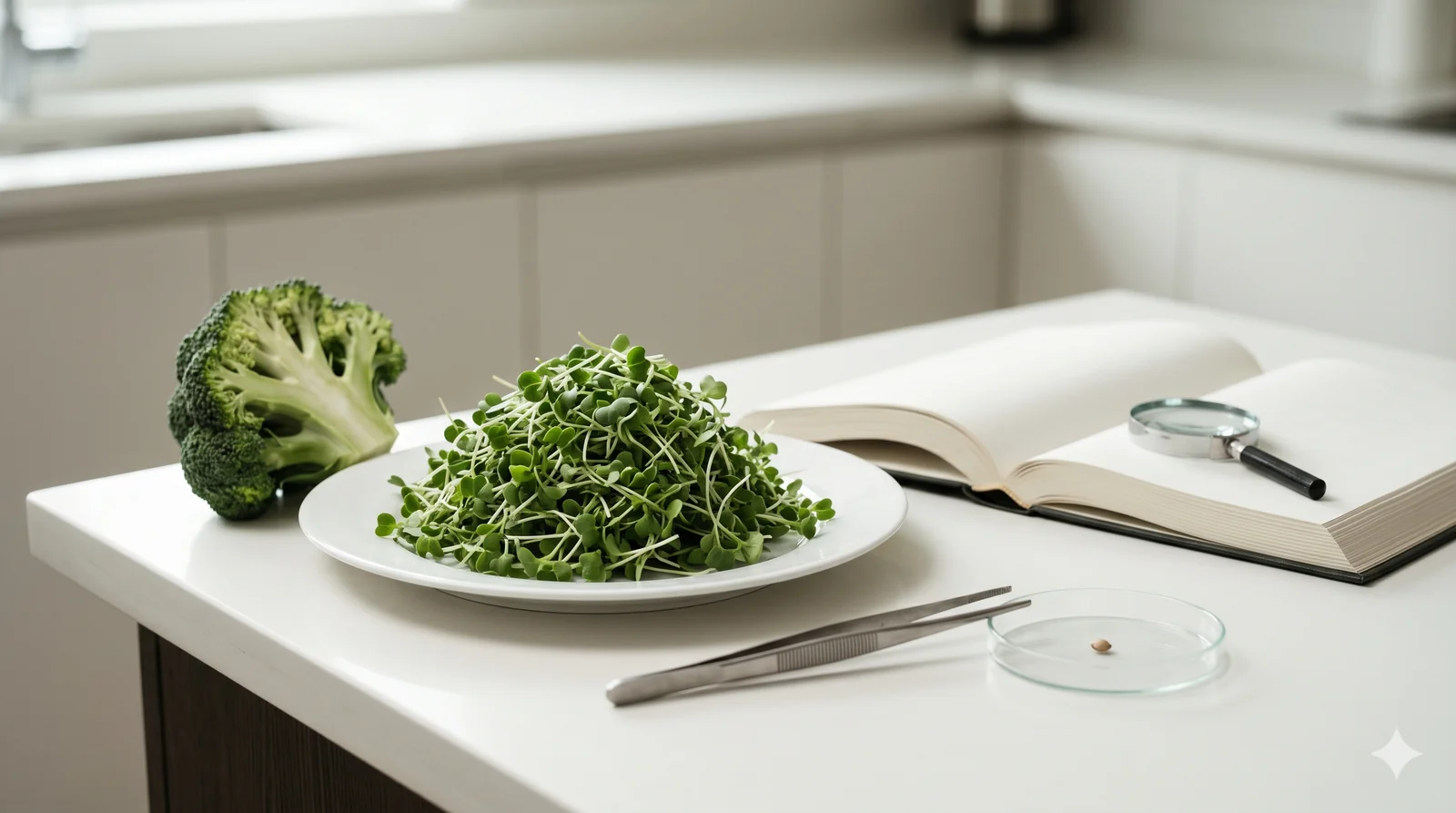
The Johns Hopkins research on broccoli sprouts and sulforaphane goes back nearly 30 years. Microgreens sit in a similar high-concentration window. Here is the research-honest version of what we know.
Read More →
Tuesday and Friday are not arbitrary. They are the two days that let us cut, cool, package, and route across SE PA without compromising freshness on any single delivery. The operational behind-the-scenes.
Read More →
Sergio, Celine, Fiona, Xavier, and Zander run the farm. Here is what an actual day looks like, from 5 AM harvest to family dinner with our own microgreens on the plate.
Read More →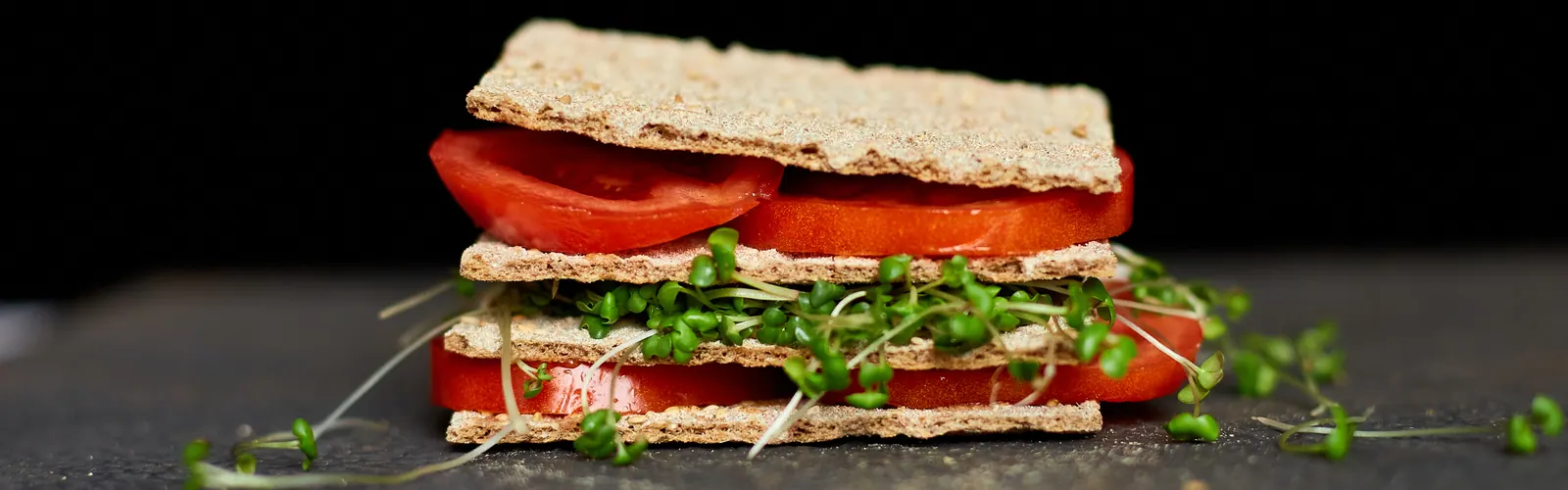
New to microgreens? Start here. These five varieties are forgiving, fast-growing, and packed with flavor.
Read More →
We surveyed 200+ CSA members across PA, NJ, and DE. The number one ask was not heirloom tomatoes or unusual root vegetables. It was nutrient-dense add-ons that integrate into weeknight cooking. Microgreens were the most-requested item.
Read More →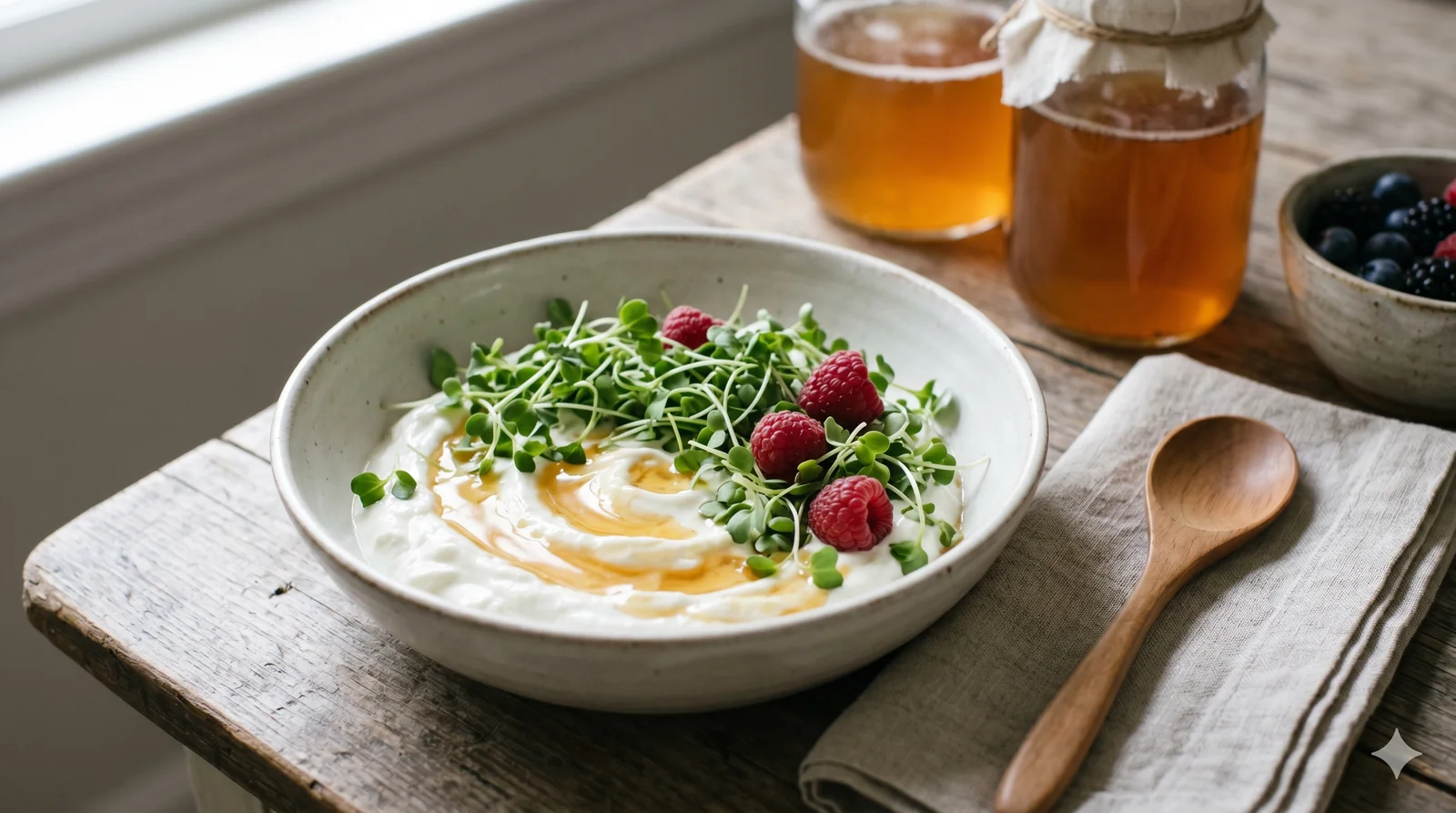
Broccoli microgreens have direct H. pylori research. Red cabbage feeds beneficial gut bacteria via anthocyanins. Plant species diversity is the single biggest microbiome factor, microgreens make it easy.
Read More →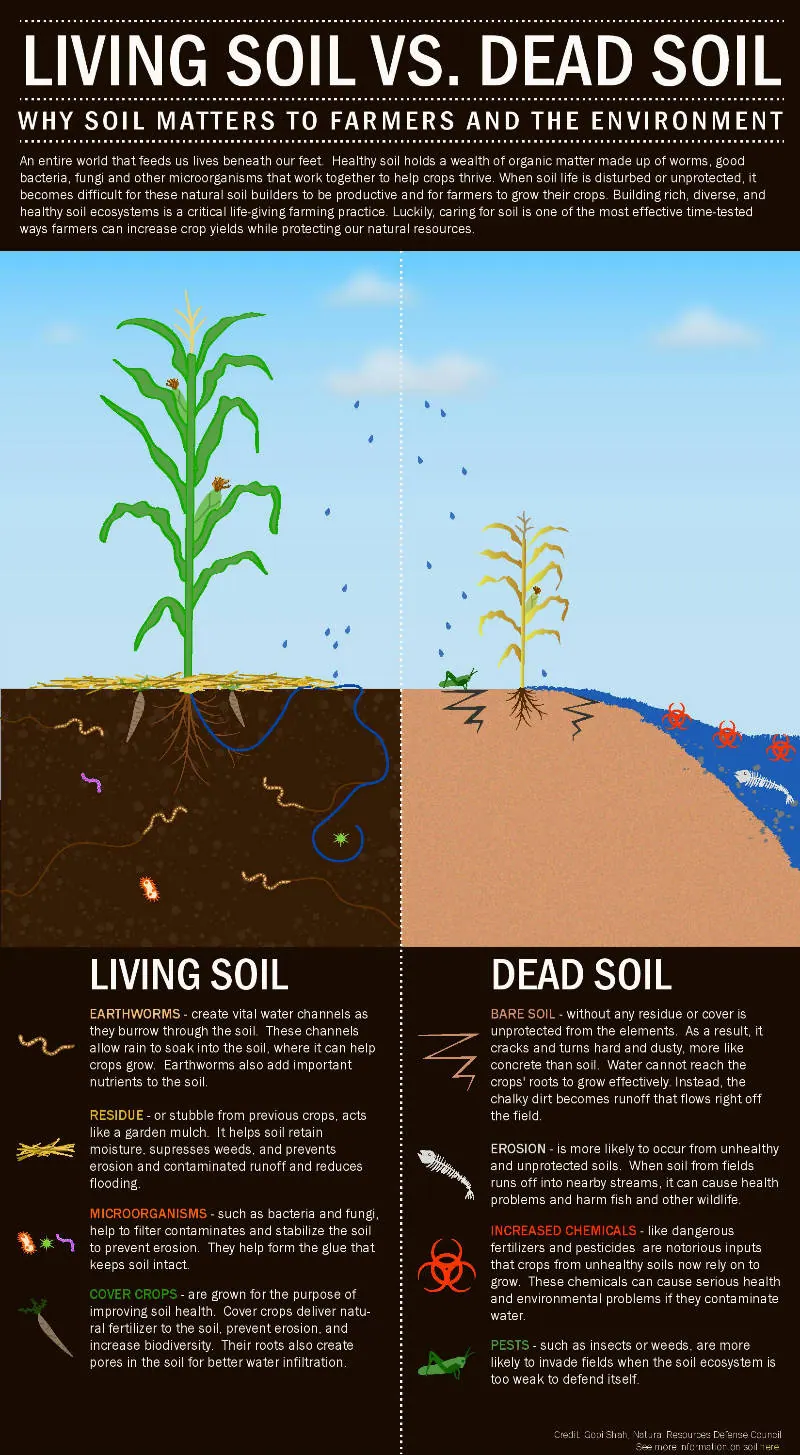
Living soil is filled with beneficial bacteria and fungi that produce healthier, more nutritious plants. Dead dirt produces inferior food. Here is why it matters.
Read More →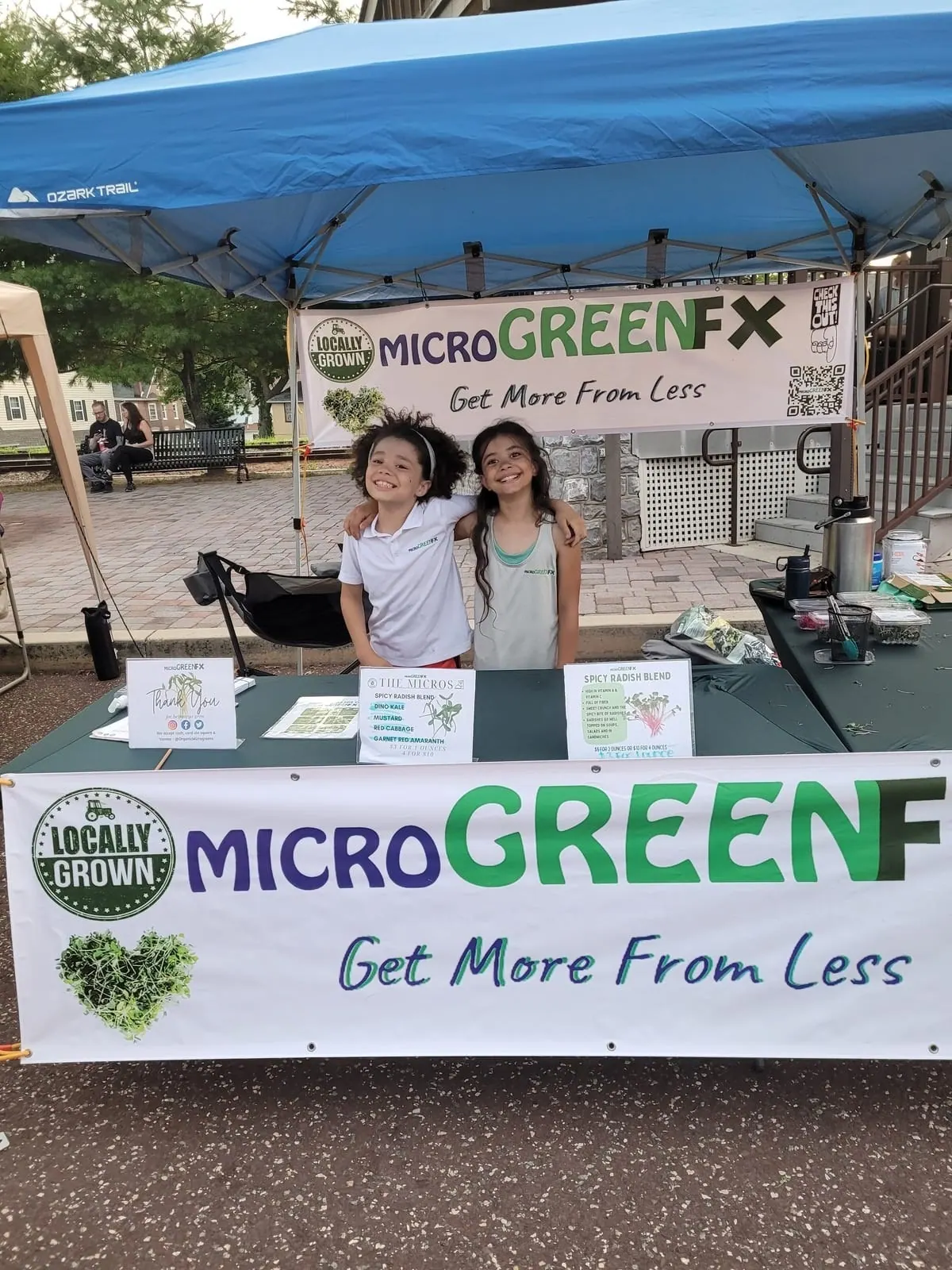
Freshest microgreens in SE Pennsylvania, cut the morning of delivery and at your door inside 8 hours. 27 varieties, 6 counties, free delivery from Schwenksville to Philadelphia. Start your subscription.
Read More →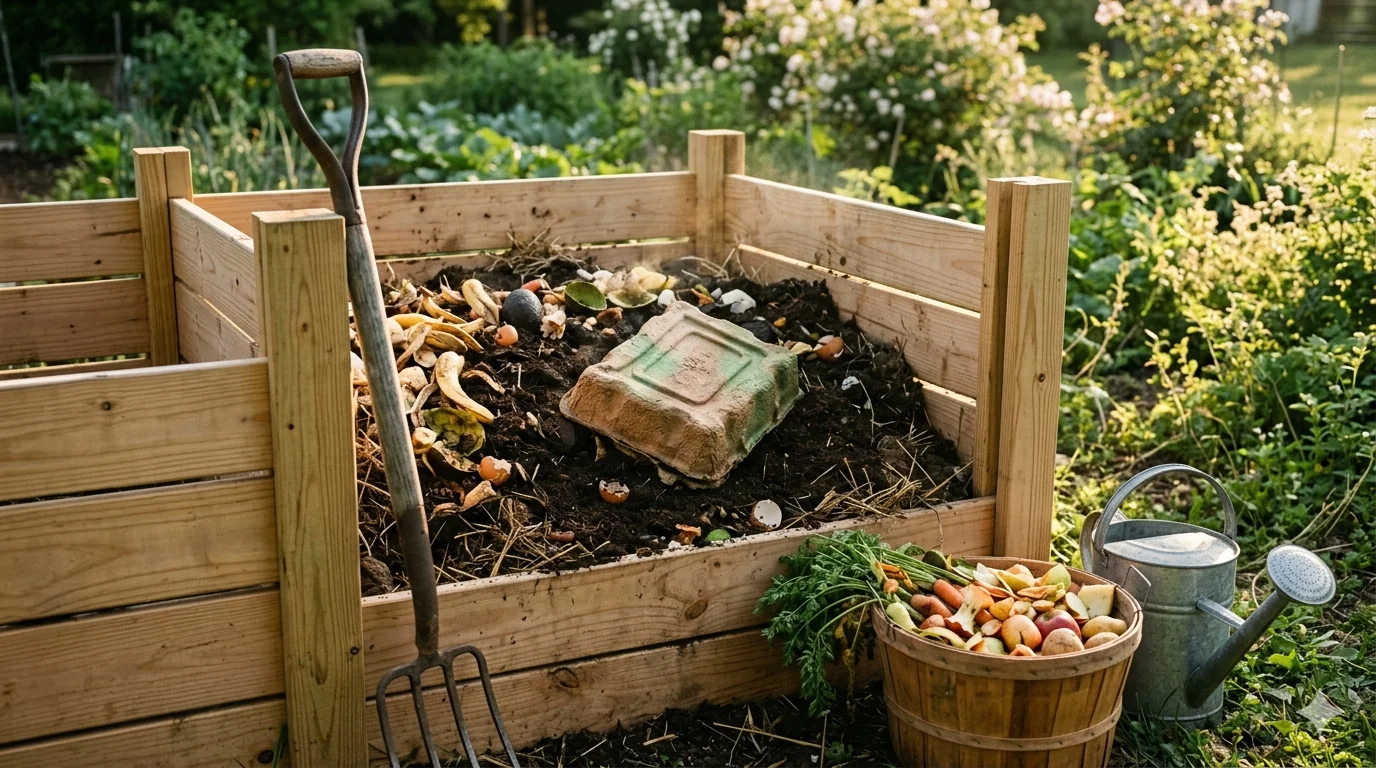
Our containers are home-compost certified, breaking down in a backyard pile in 90 to 180 days. Here is how to set up a residential compost in SE PA and what to expect when the container becomes soil.
Read More →
Wholesale microgreen distributors ship in plastic-lined cases. The cases stack up fast. Here is how SE PA restaurants and juice bars switched to a plastic-free supply chain without raising menu prices.
Read More →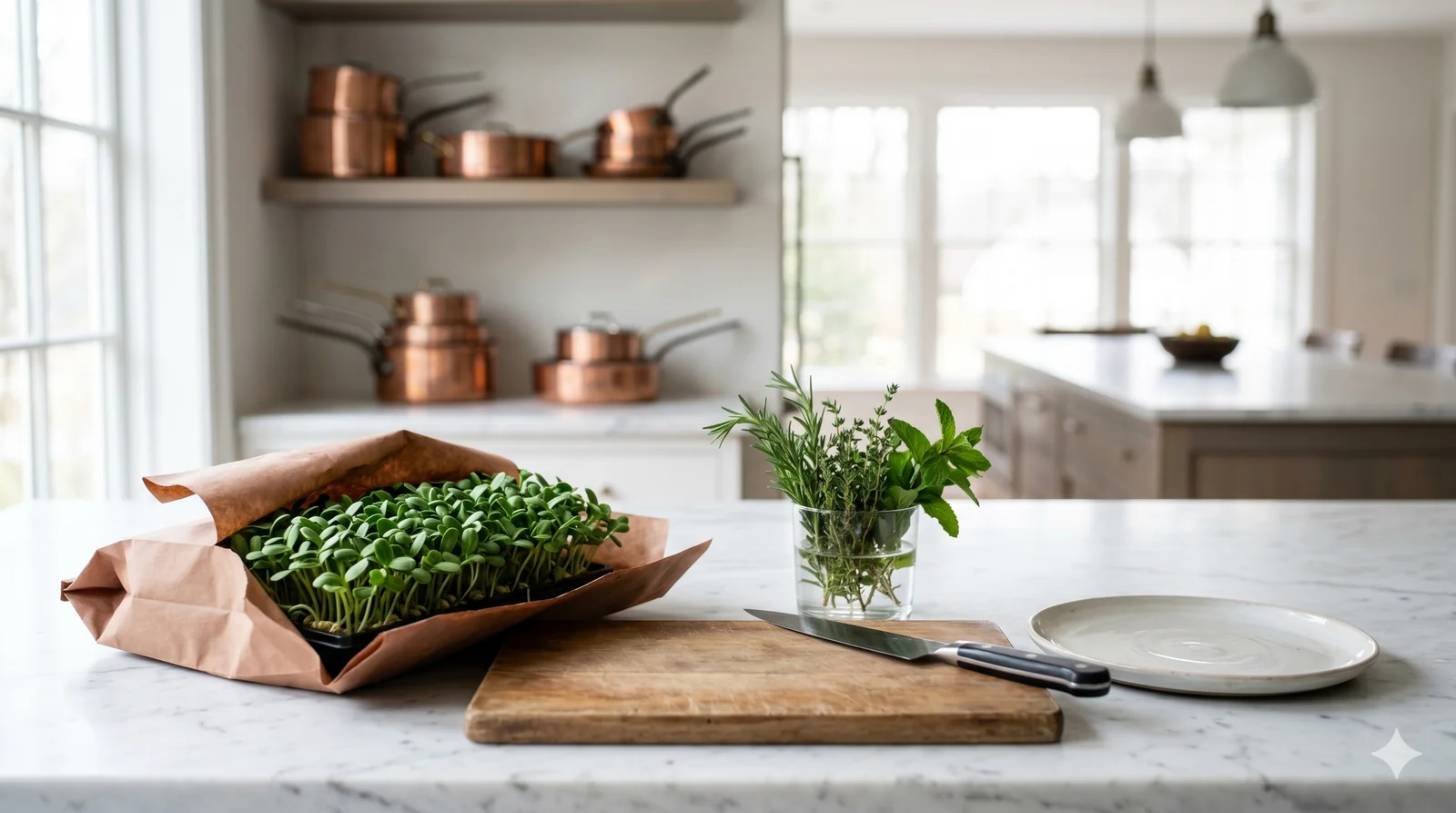
Freshest microgreens in Chester County, PA, cut at 6am and delivered to West Chester, Kennett Square, Paoli, and the Main Line before lunch. 27 varieties, free local delivery. Start your subscription.
Read More →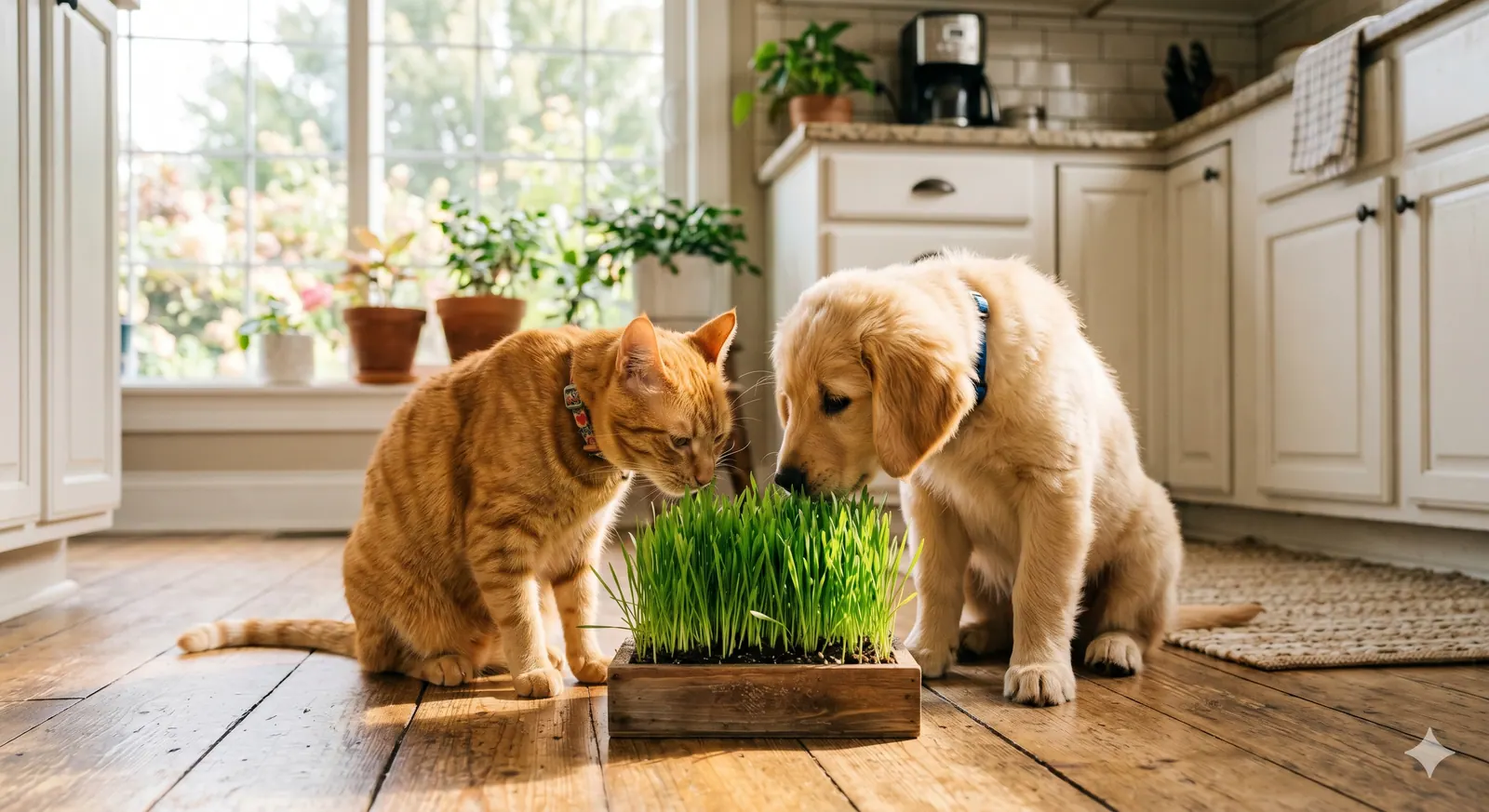
Which microgreens are safe for cats and dogs? Wheatgrass, sunflower, pea shoots, and more. Benefits, which to avoid, and how to grow pet grass at home.
Read More →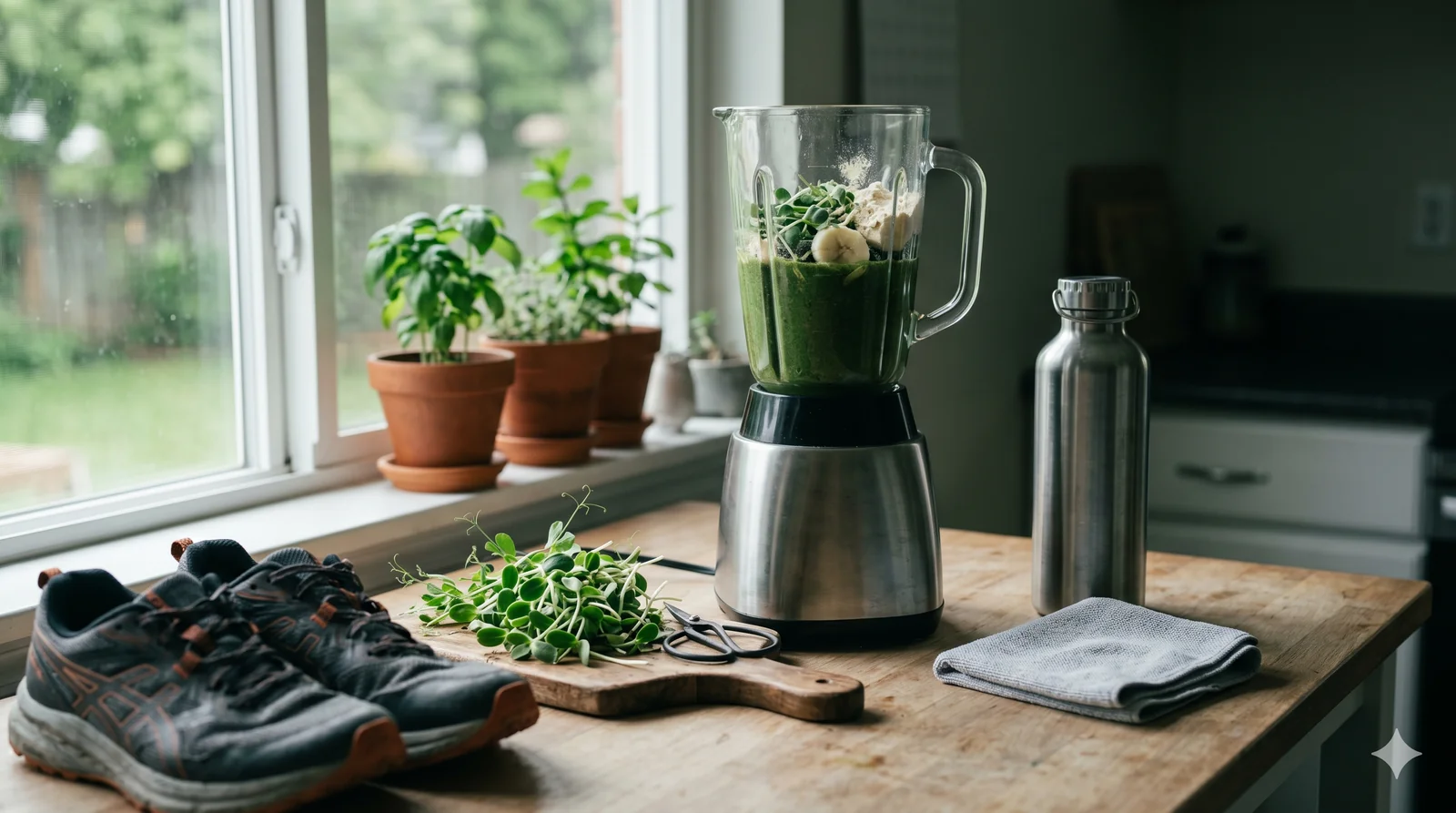
Beet juice has been a sports-science darling for over a decade because of its nitrate content. Microgreens deliver the same nitrates plus an antioxidant profile that supports recovery. Here is what the research says.
Read More →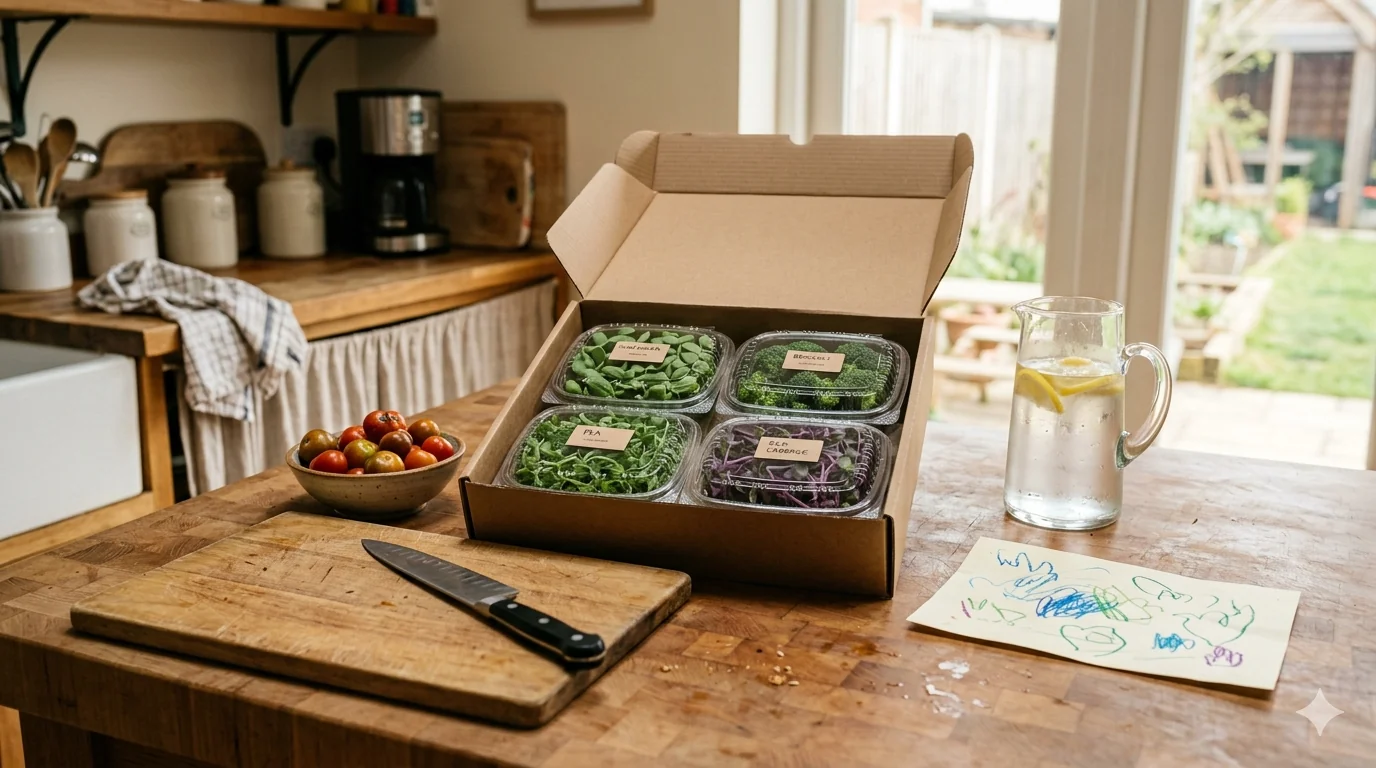
Most subscription boxes are designed for single eaters. A family of 4 needs more volume, more variety, and recipe flexibility. We are a family of 5 and we built our family pack from the inside.
Read More → The 5 easiest varieties to grow and eat, what to avoid, and the simplest first recipe. The perfect starting point if you are new to microgreens.
Read More →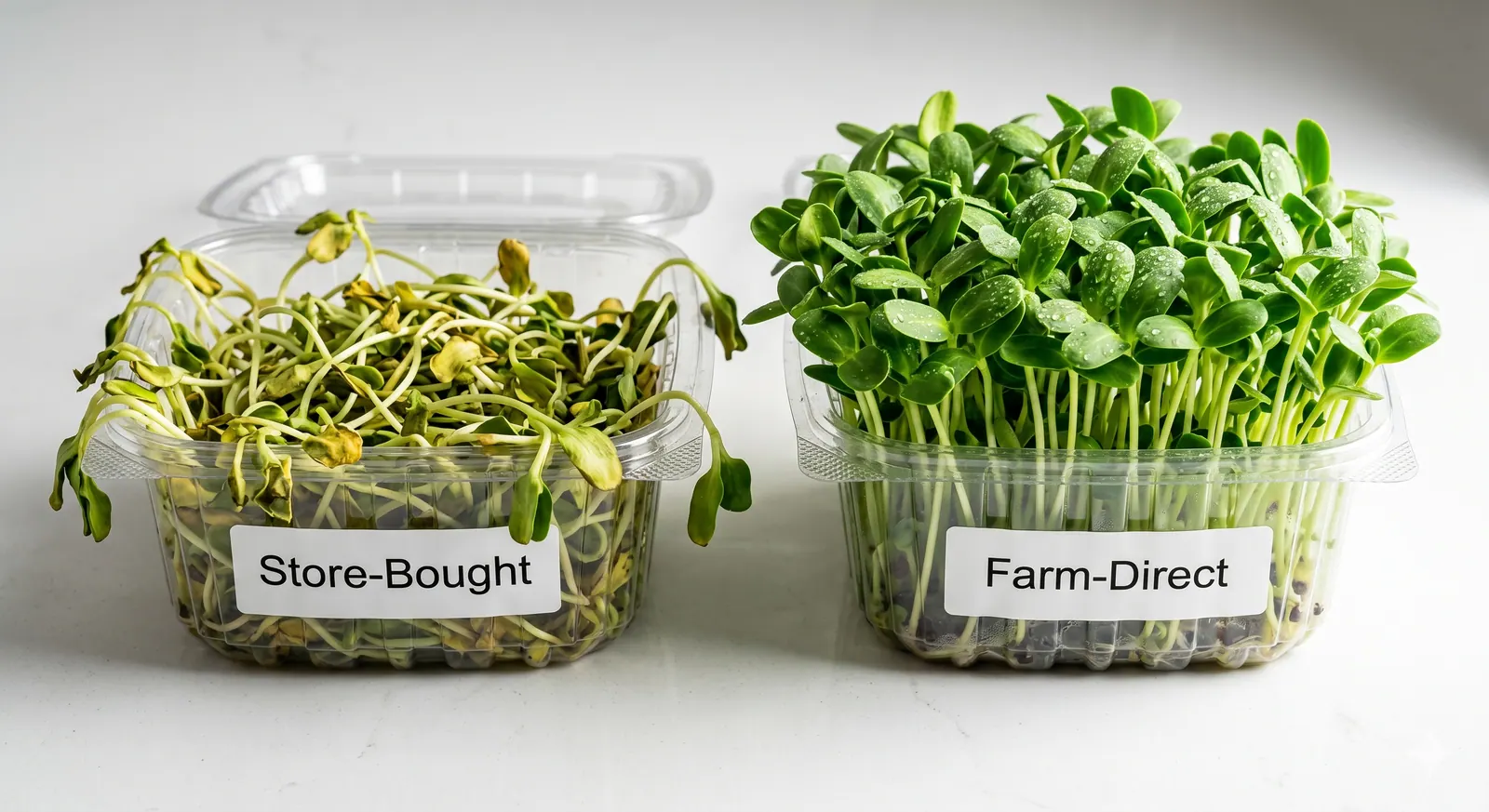
Compare nutrient density, shelf life, and cost per nutrient. USDA research shows microgreens contain 4-40x more vitamins. 1 ounce replaces up to 2.5 lbs of produce.
Read More →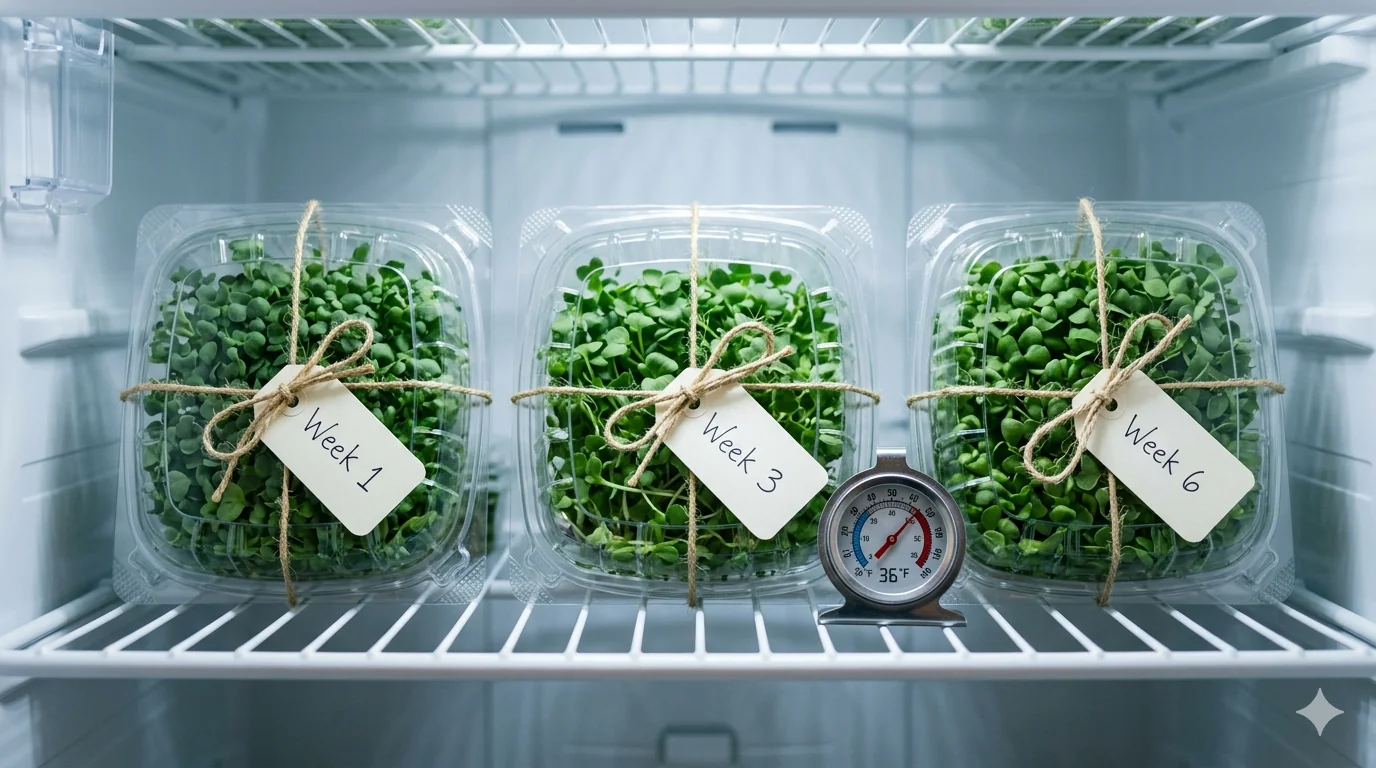
Distributor microgreens last 3-10 days. Ours last 3-6 weeks. The difference is not magic, it is harvest timing, packaging, and cold chain. Here is the math.
Read More →
Practical tips for getting children to eat microgreens. From smoothie blending to growing together, make greens fun for the whole family.
Read More →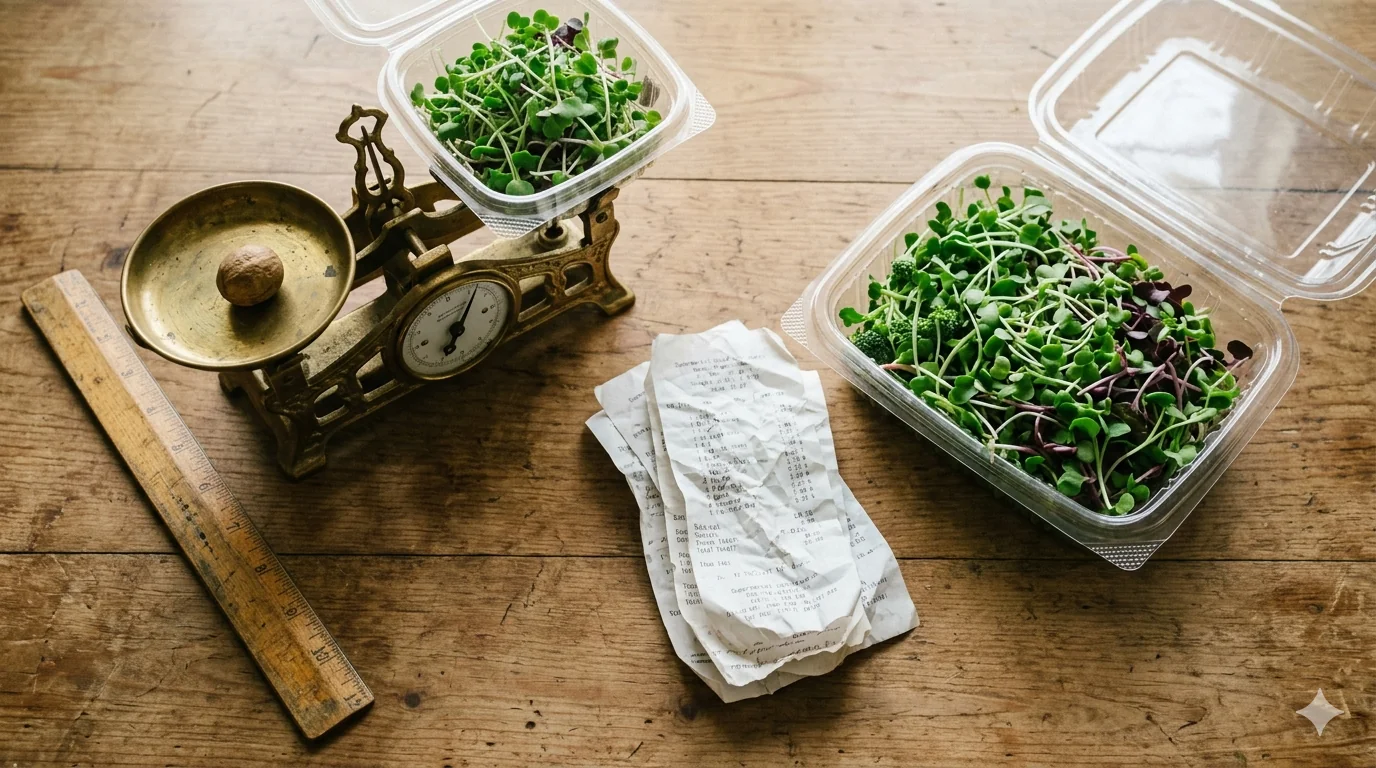
An honest cost-vs-value analysis. Real per-ounce math, comparisons to multivitamins and produce, and when microgreens are not worth buying.
Read More →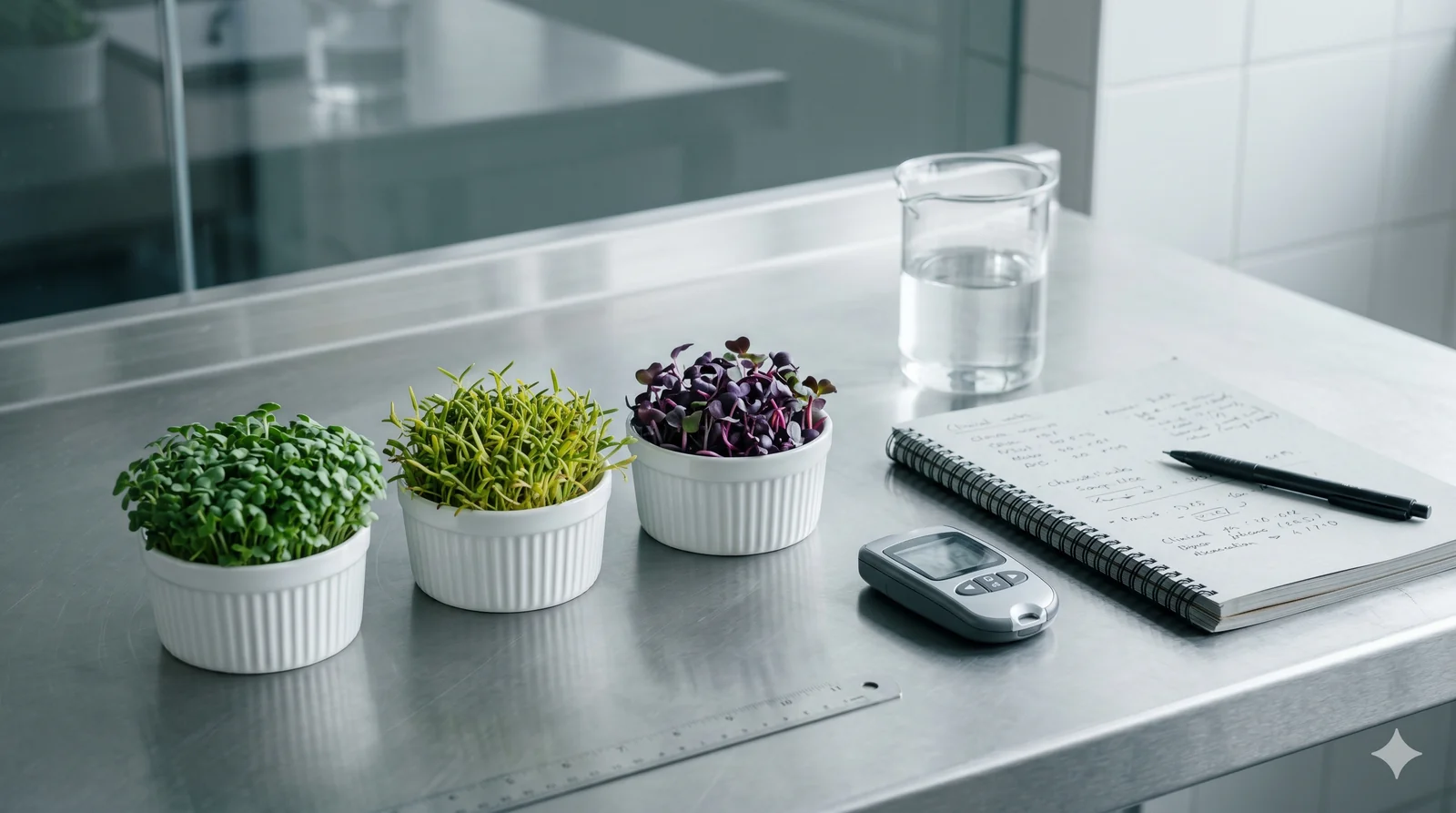
Broccoli microgreens have been the subject of multiple peer-reviewed diabetes studies. The compound at the center of the research is sulforaphane. Here is what the studies actually say, and how to think about it without overpromising.
Read More →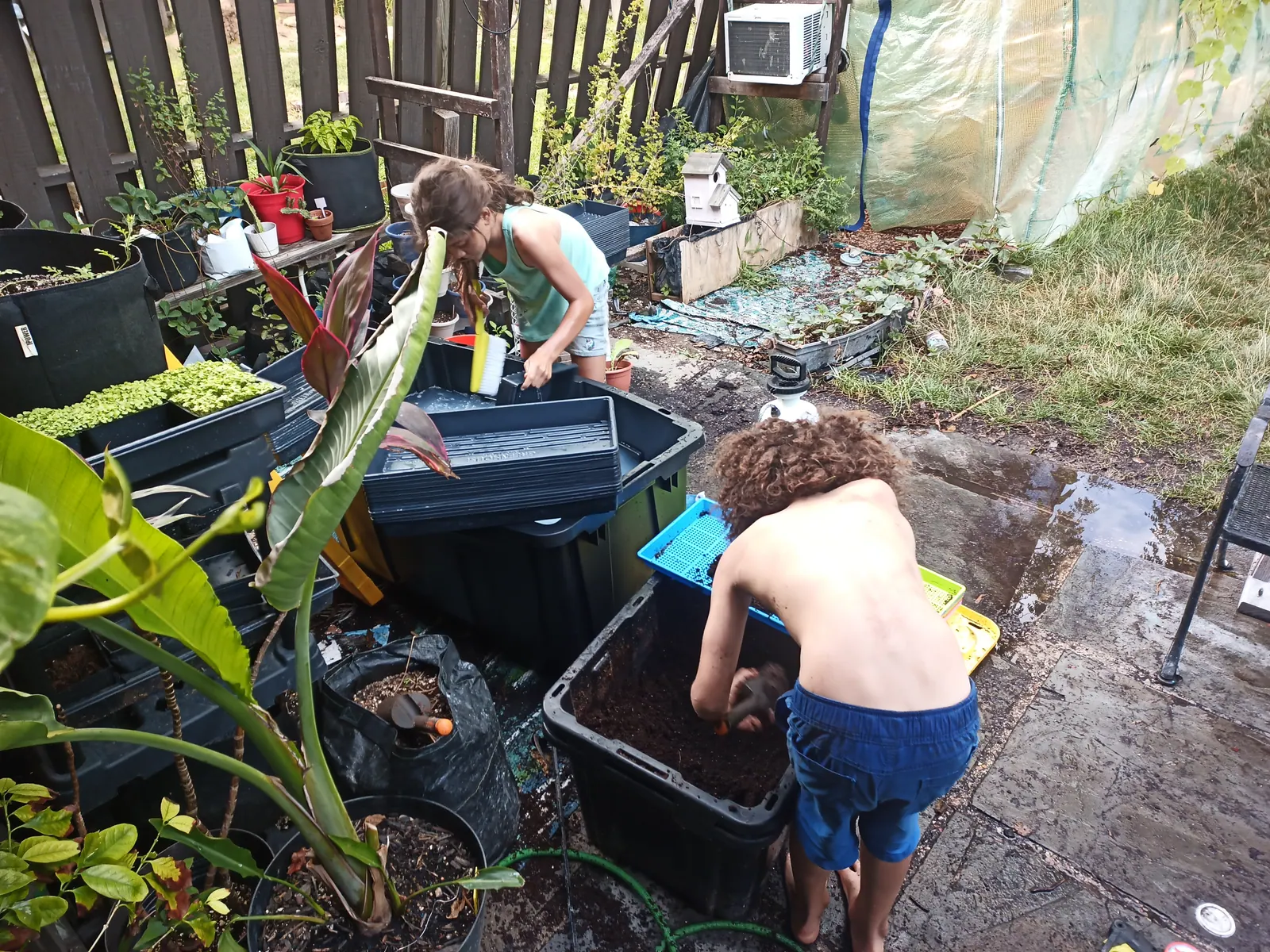
Most large-scale microgreen operations have switched to mechanical harvesters. We have not. Here is what hand-cutting actually changes about quality and food safety.
Read More →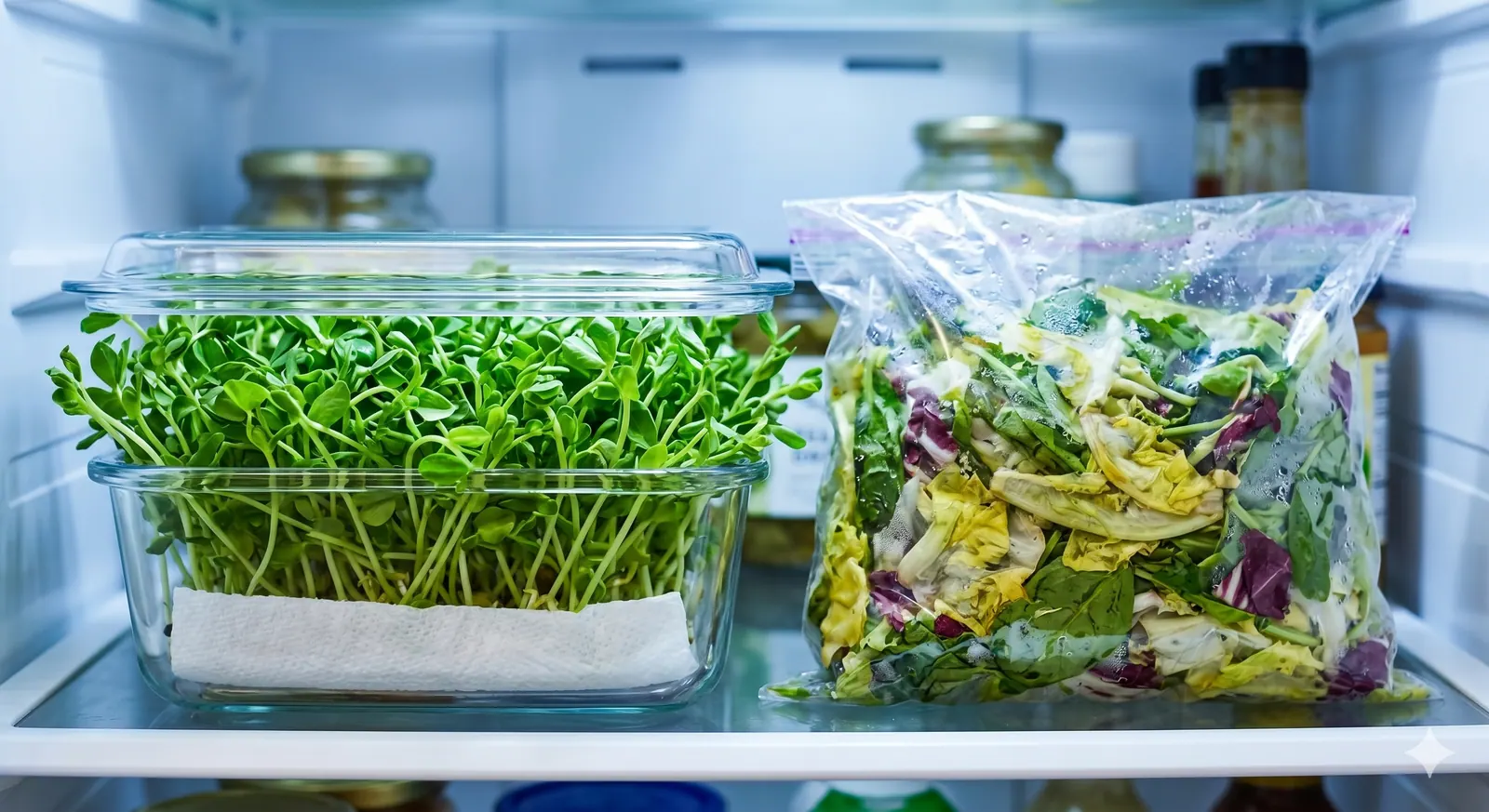
microGREEN FX microgreens last 3-6 weeks vs 3-10 days store-bought. Learn proper storage, fridge placement, moisture control, and signs of spoilage.
Read More →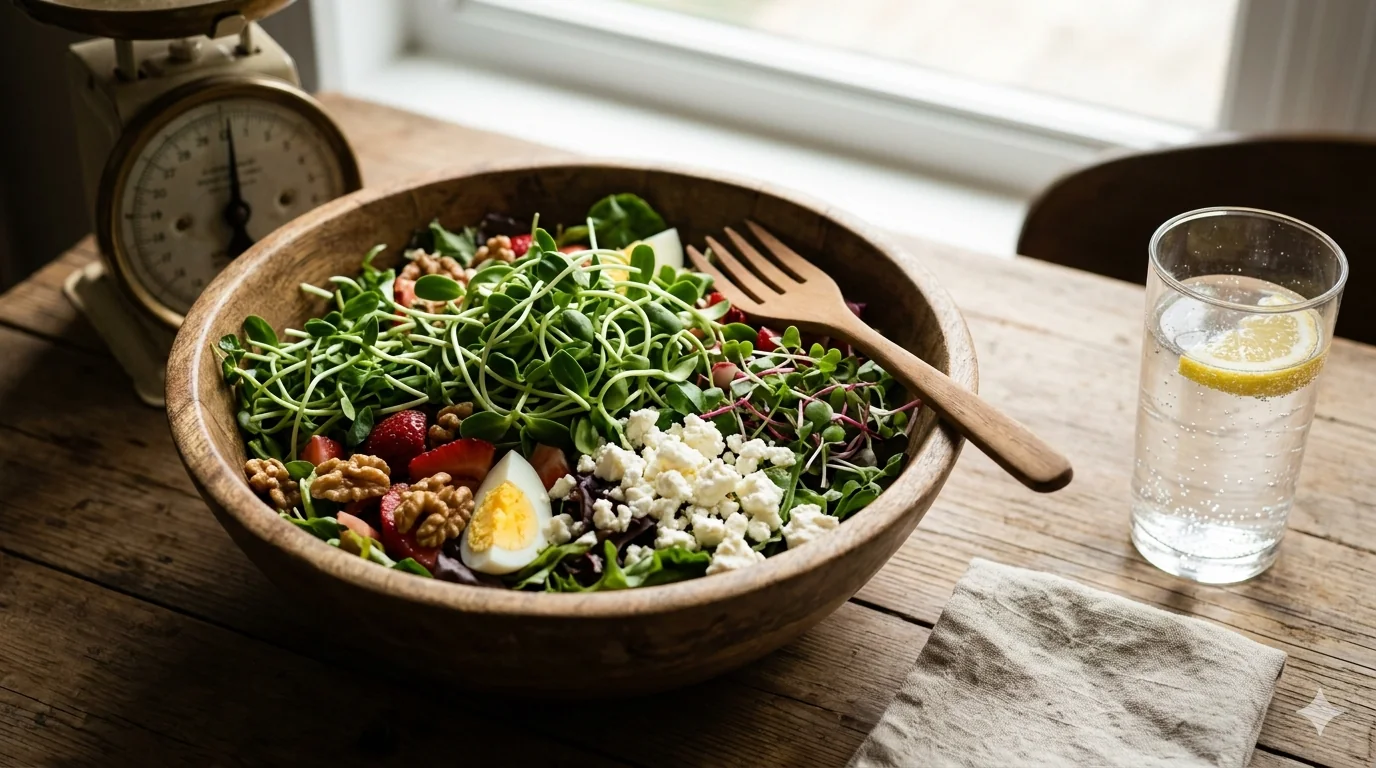
Microgreens are incredibly low in calories but packed with fiber, protein, and vitamins. The smartest addition to any weight loss plan.
Read More →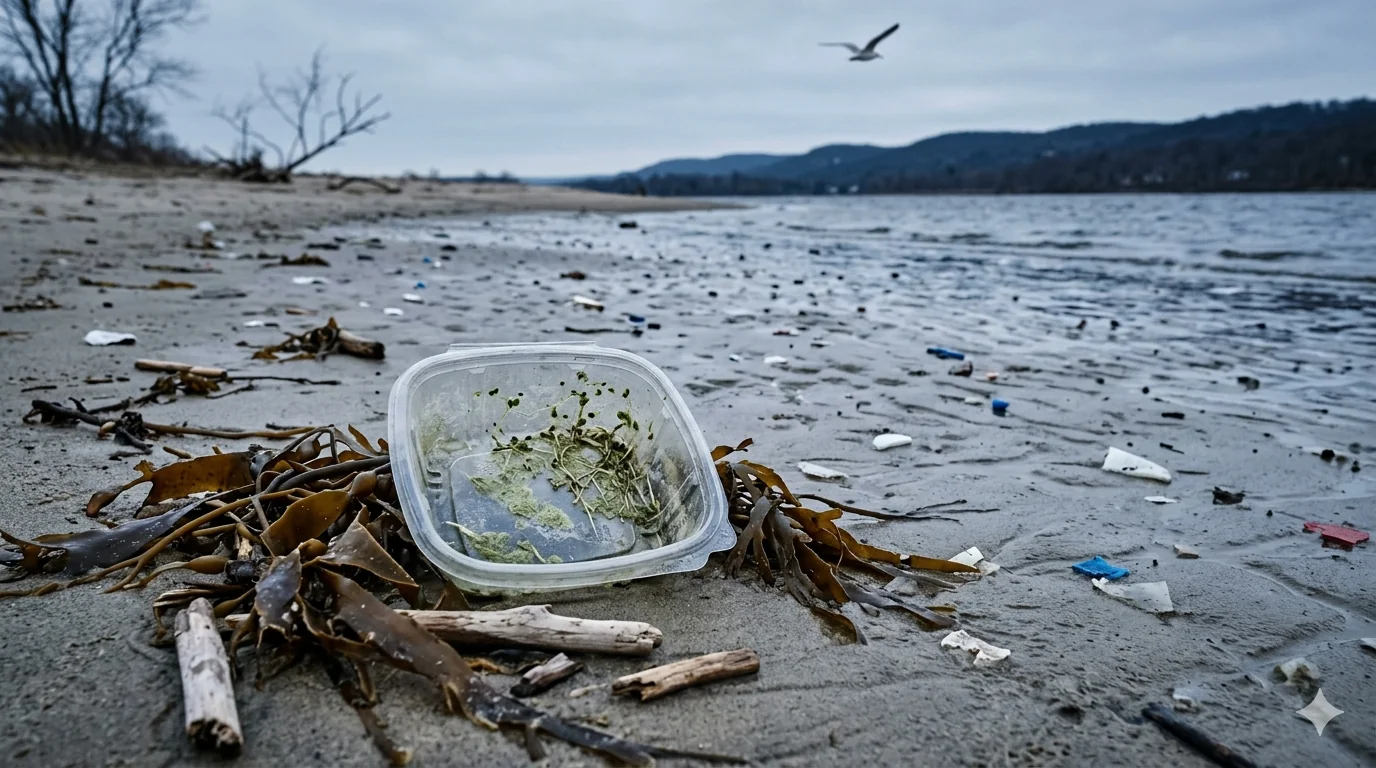
Plastic clamshells are PET-1 thermoform plastic with a national recycling rate under 9 percent. They look recyclable. They almost never are. Here is the EPA data and what we use instead.
Read More →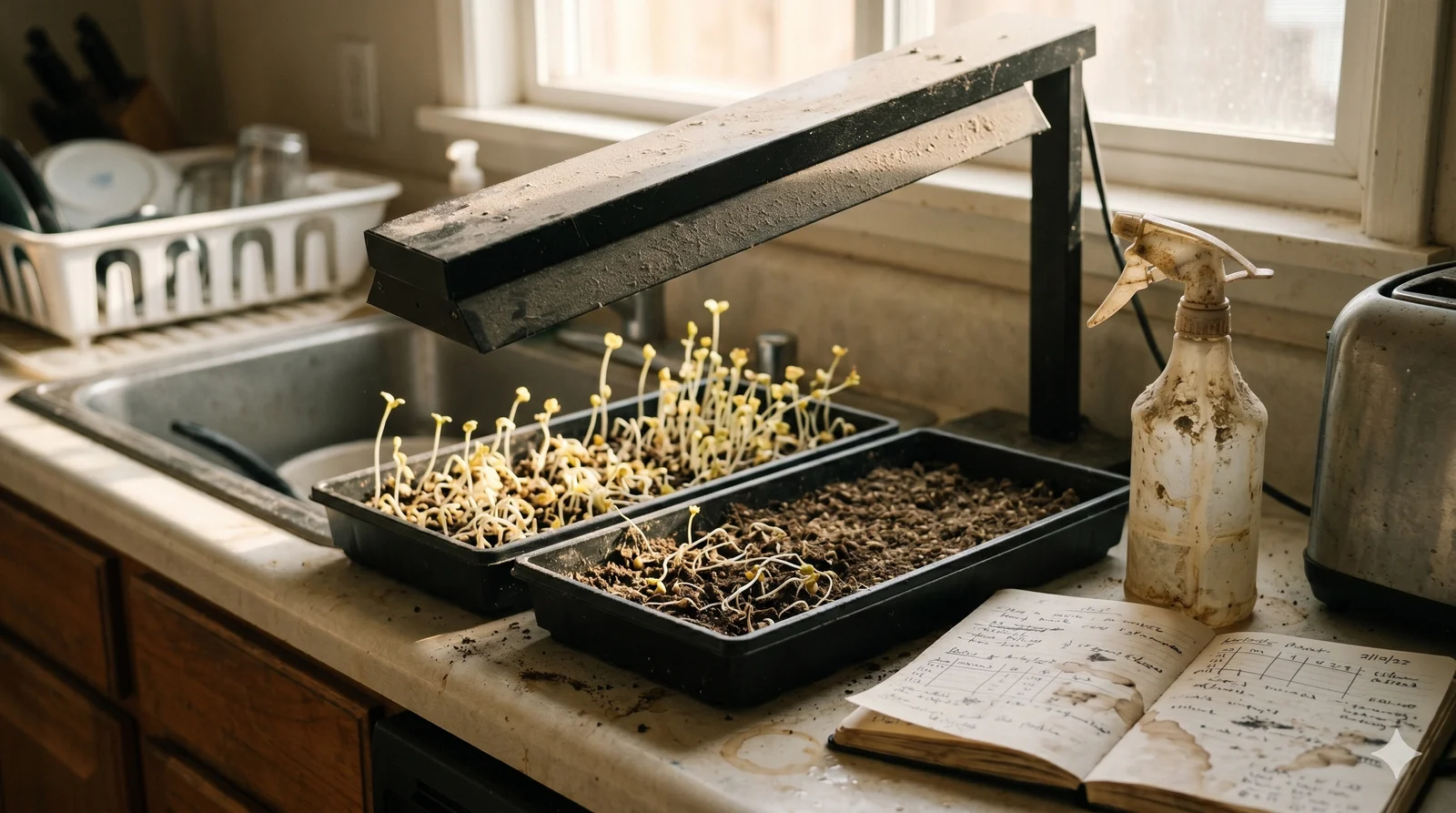
A starter kit, two beautiful trays, then mold. The third tray dies. By month 3 the kit is in the basement. Here is the actual reason home setups fail, and the class that prevents the pattern.
Read More →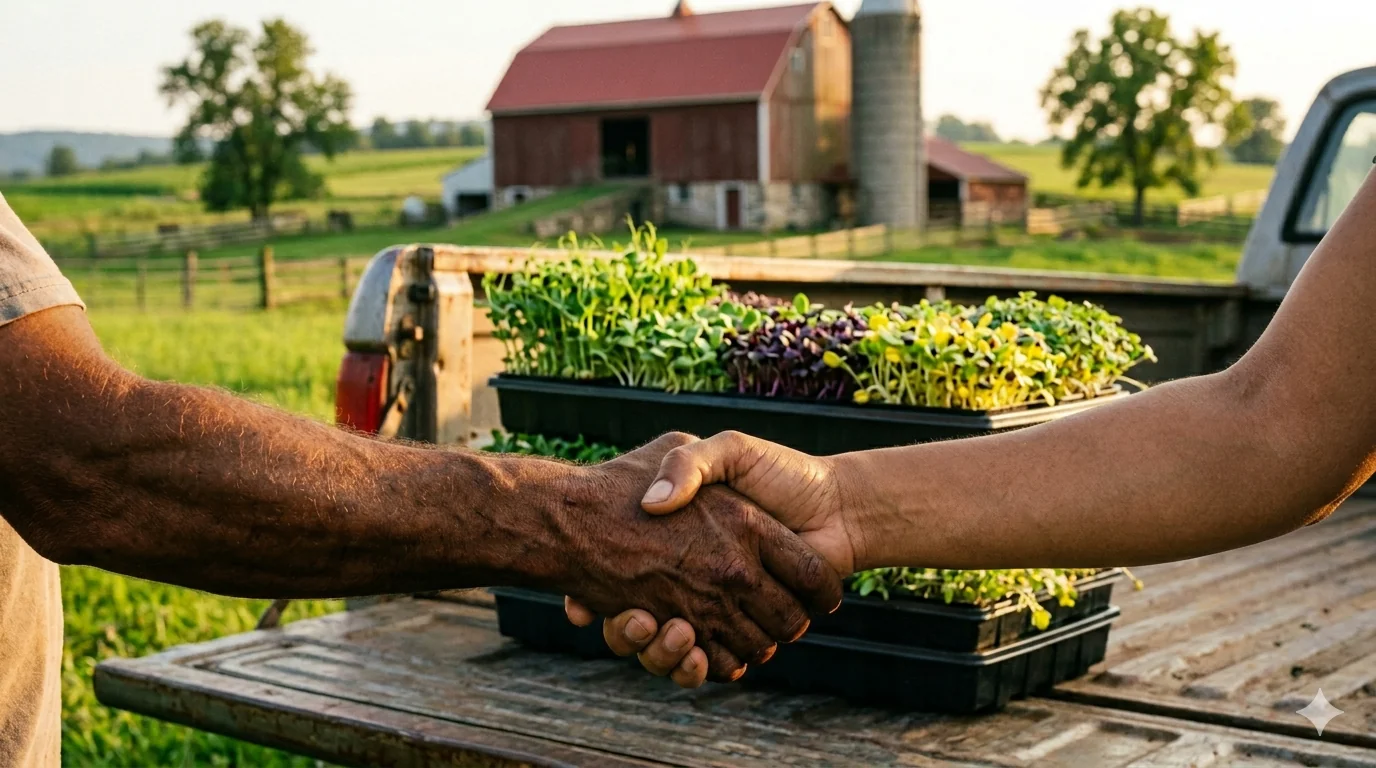
We partner with established CSAs, market-garden farms, and farm-stand operations across Montgomery, Chester, Bucks, Berks, and Delaware counties. No exclusivity demands, no contracts. Wholesale pricing, weekly delivery, your label or ours.
Read More →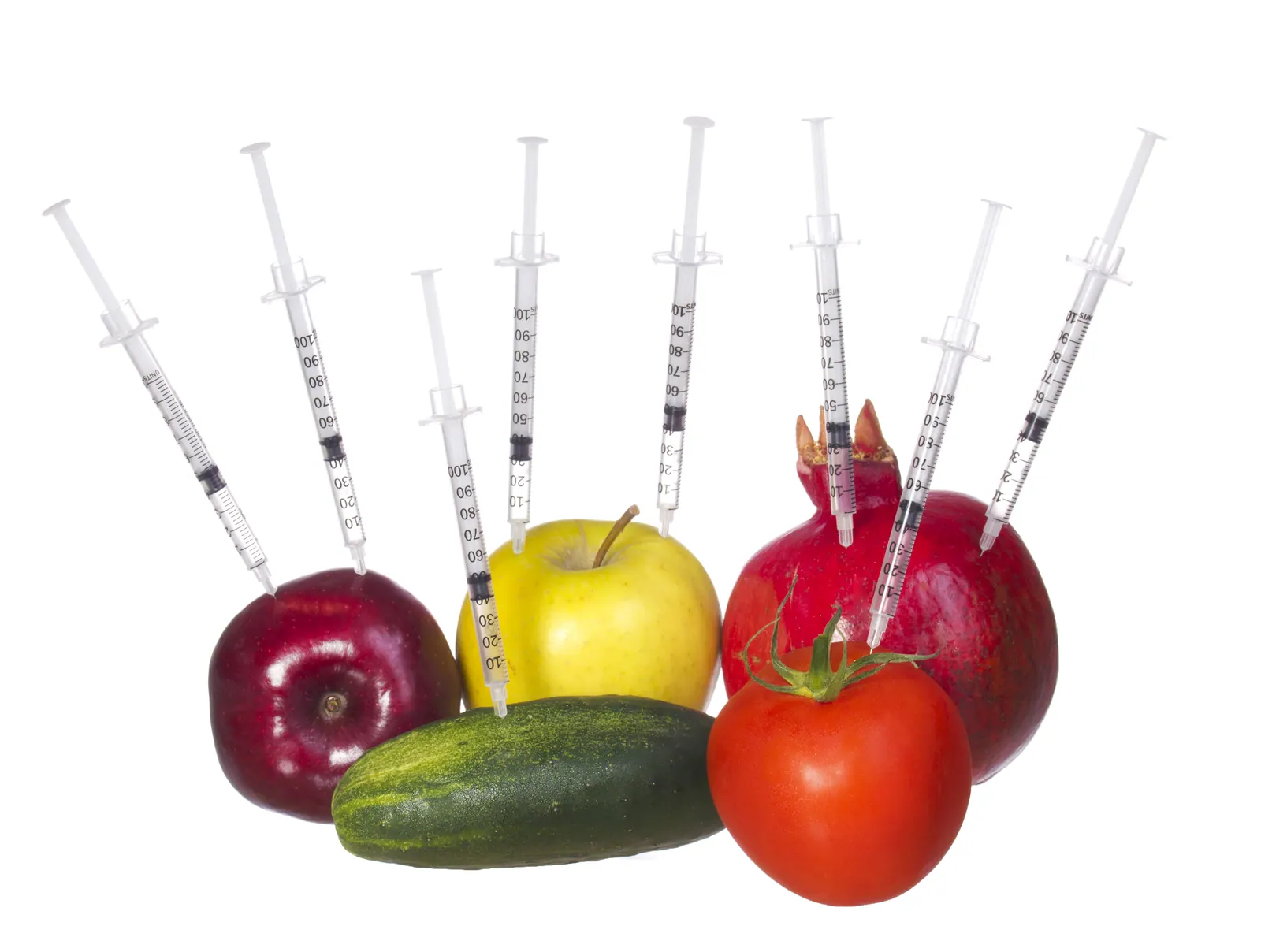
USDA Organic permits peat-based growing media despite peat's 1,000-year formation rate. We held the certification through 2024 and chose not to renew. Here is why.
Read More →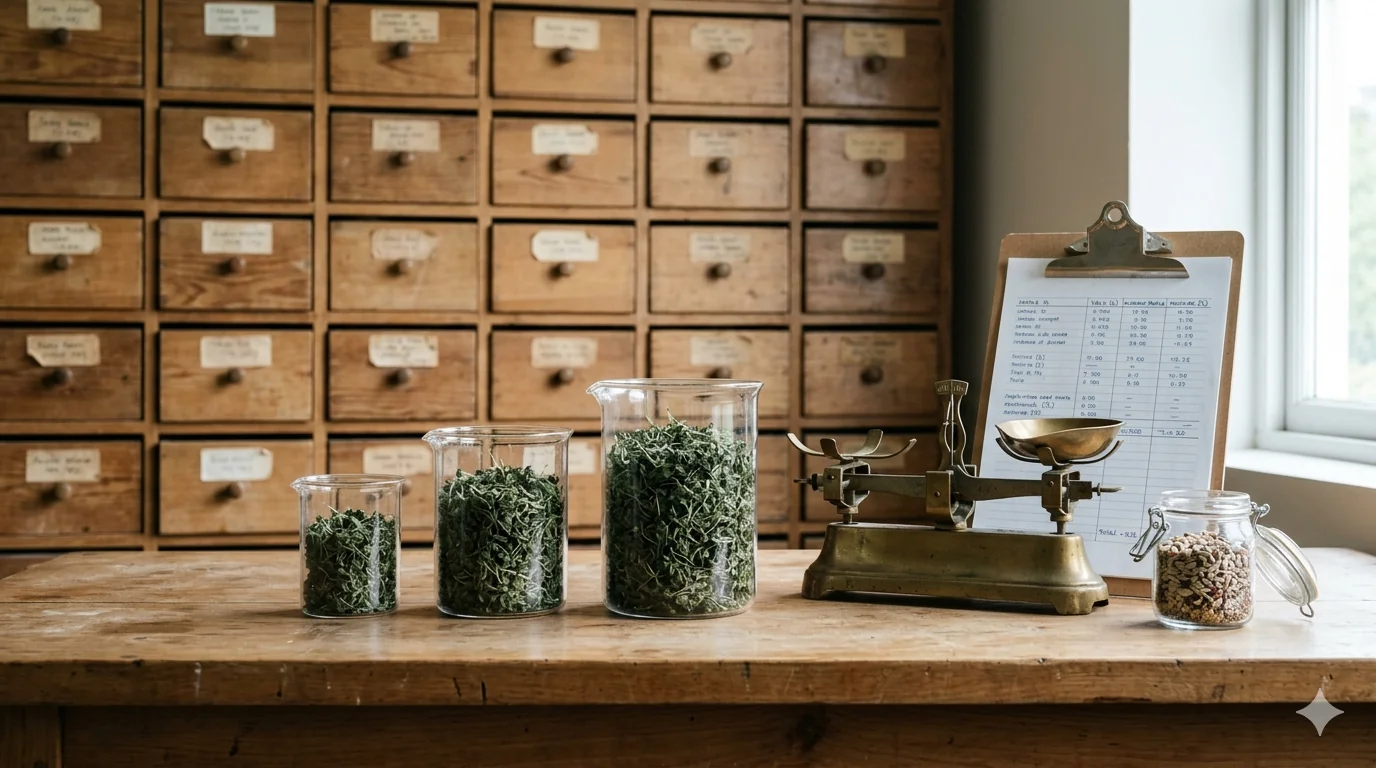
The real reason microgreens show a 3-40x multiplier instead of a fixed number, soil-grown hits the upper end, hydroponic hits the lower. Backed by the 2012 USDA study.
Read More →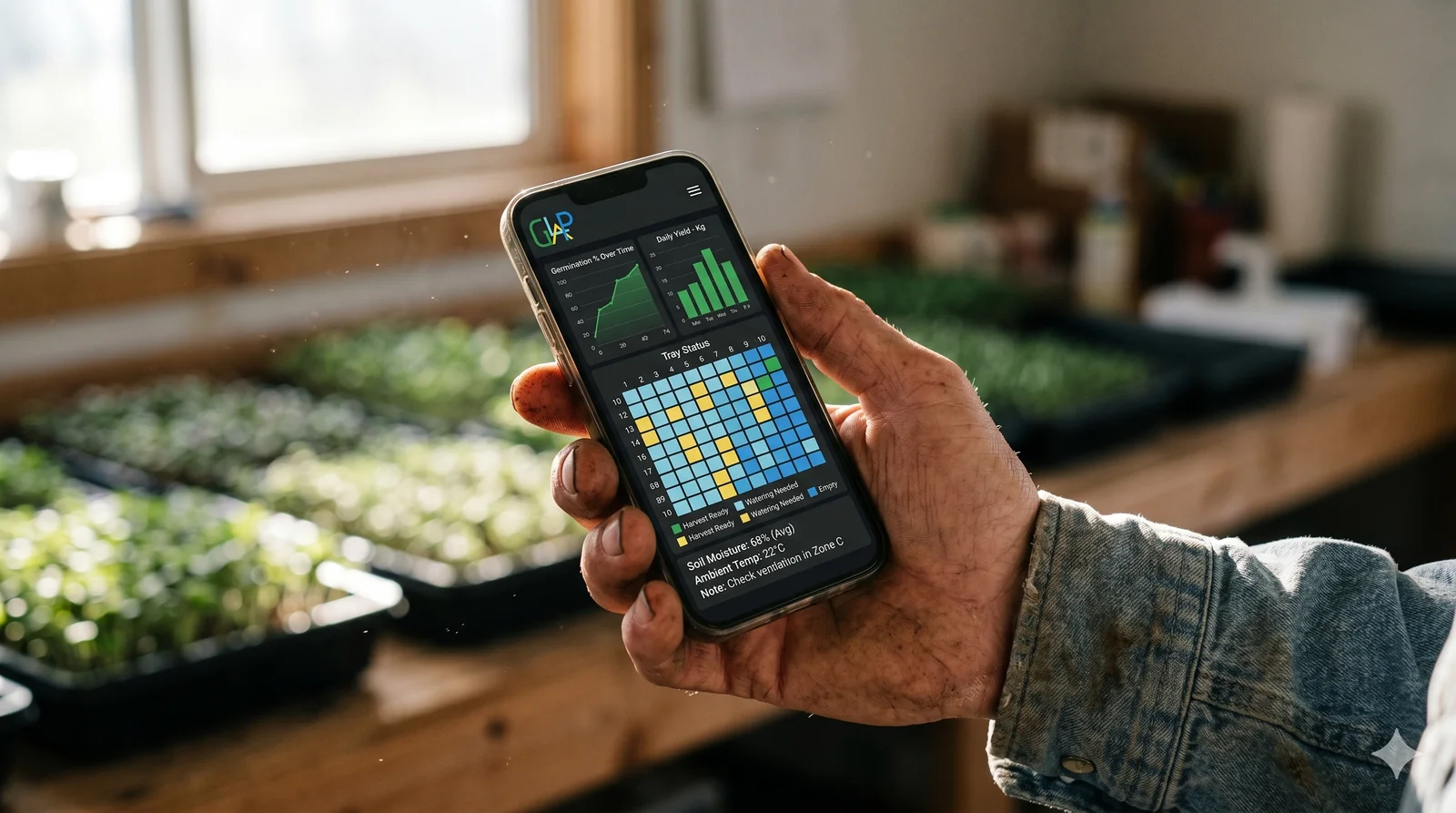
A working microgreens farm in Schwenksville, PA built GLAP, a full-stack farm operating system used on iOS, Android, and web. The story of why real ag-tech sometimes comes from a minority-owned farm, not a Silicon Valley pitch deck.
Read More →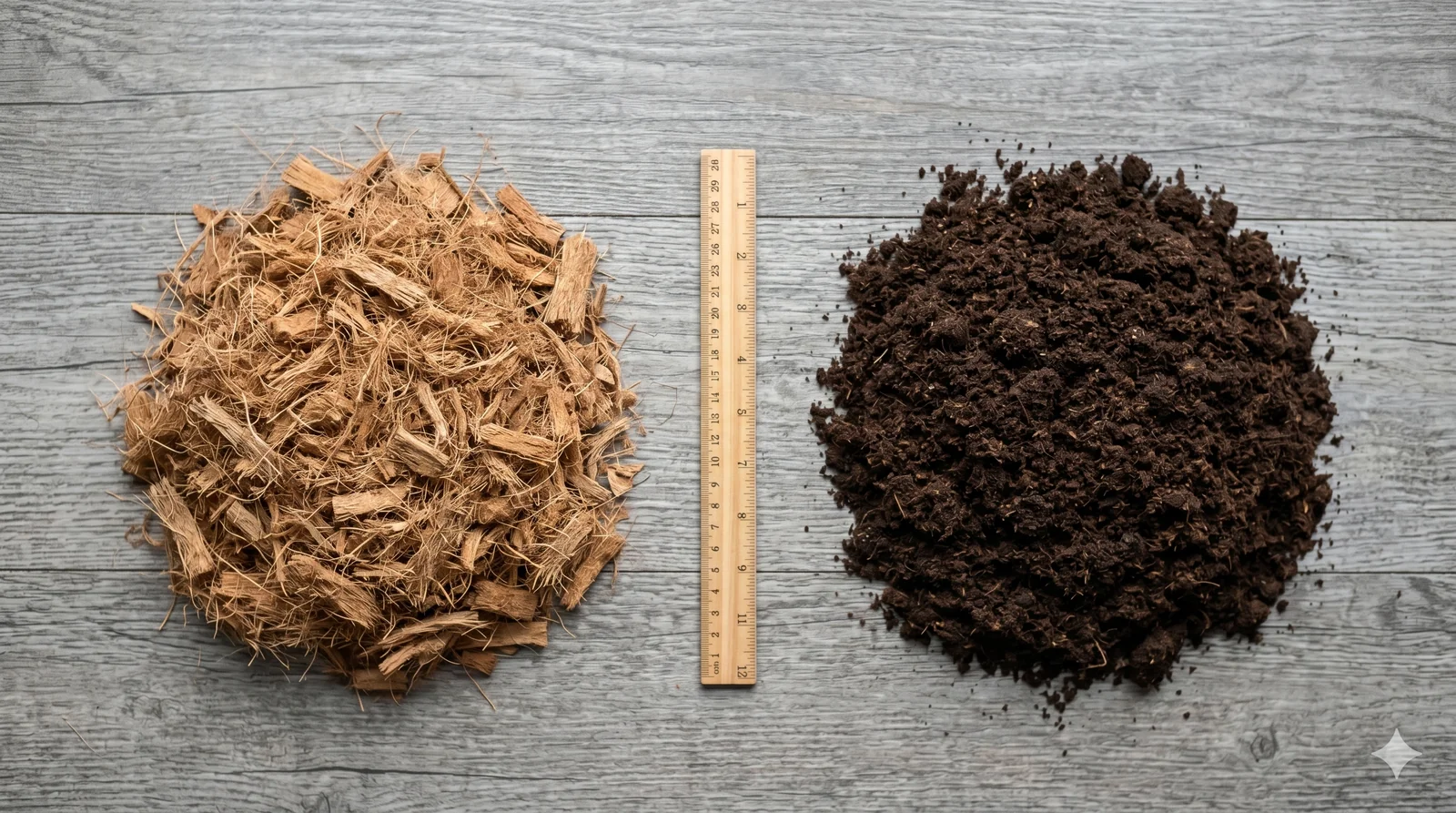
Coconut coir is renewable. Peat takes 1,000 years to form. Side-by-side comparison of growing performance, environmental impact, and why we use neither in our MicroThrive Soil.
Read More →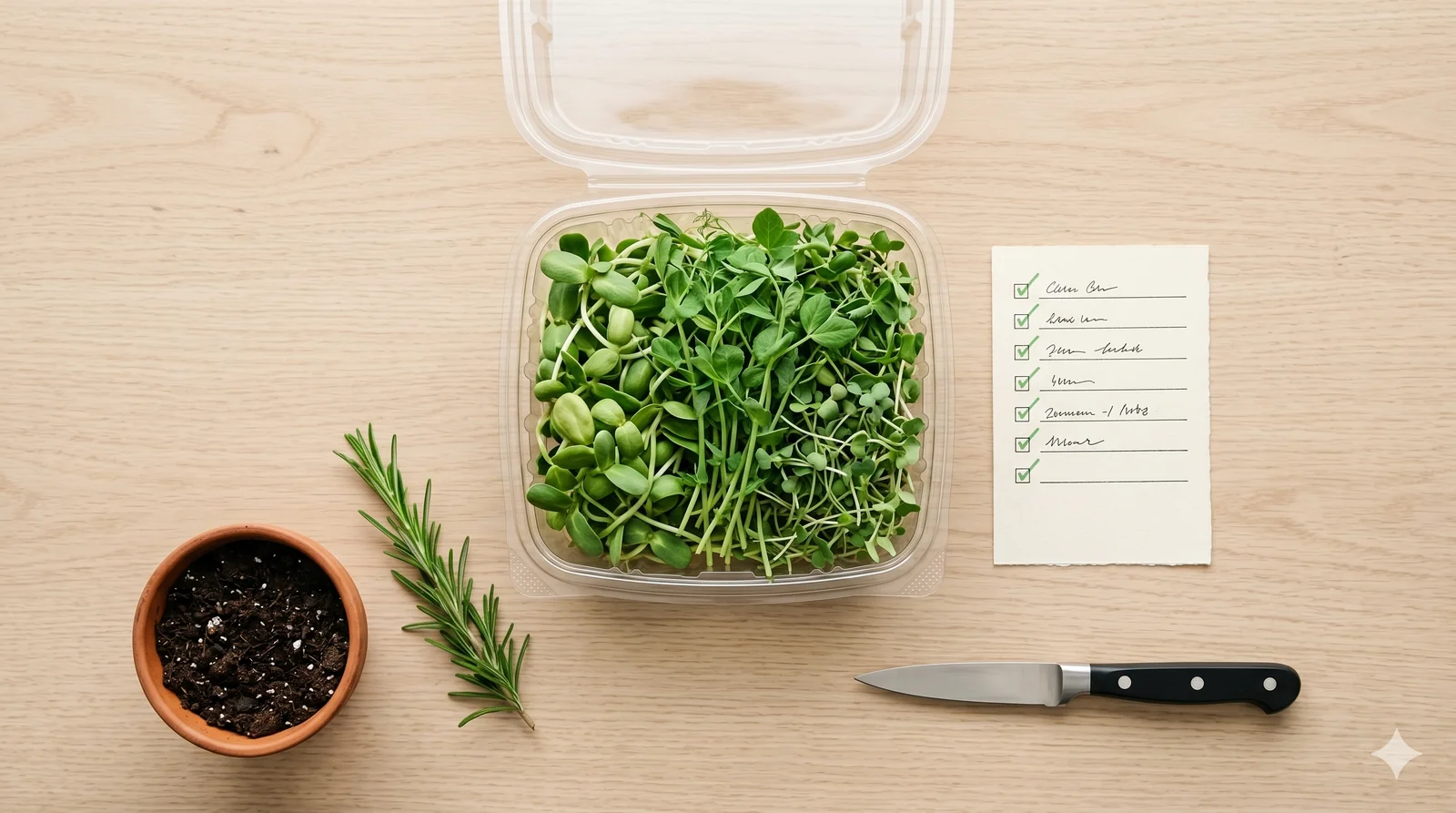
A practical 6-point checklist to evaluate any minority-owned microgreens farm in Pennsylvania, including microGREEN FX. Seed sources, soil, harvest time, packaging, certifications, ag-tech. No tokenization marketing.
Read More →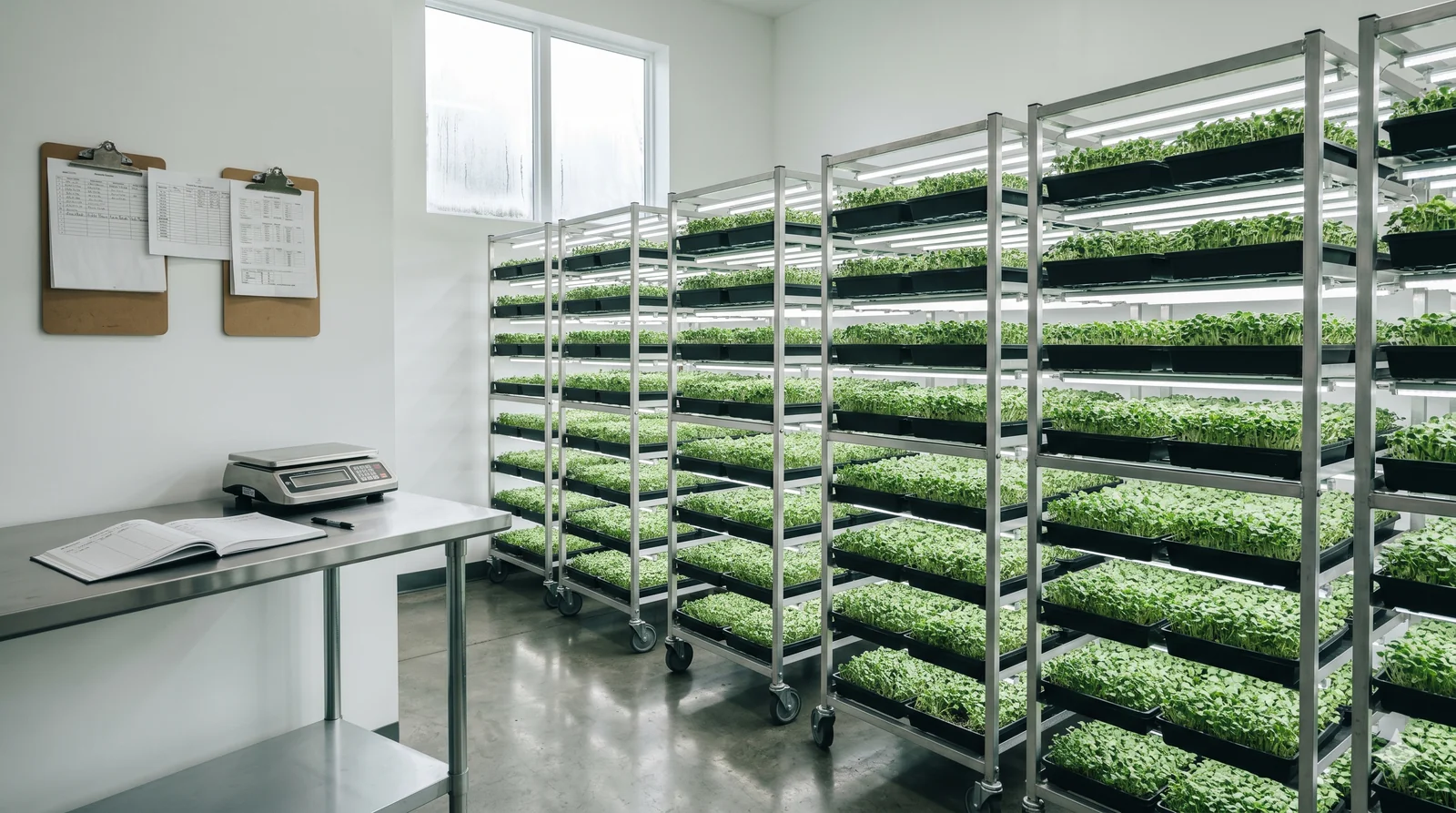
Two stigmas work together against minority farms in Pennsylvania. The hobby-project assumption and the lower-quality assumption. Here is what they actually cost the buyer who carries them, and what real quality control looks like at our Schwenksville operation.
Read More →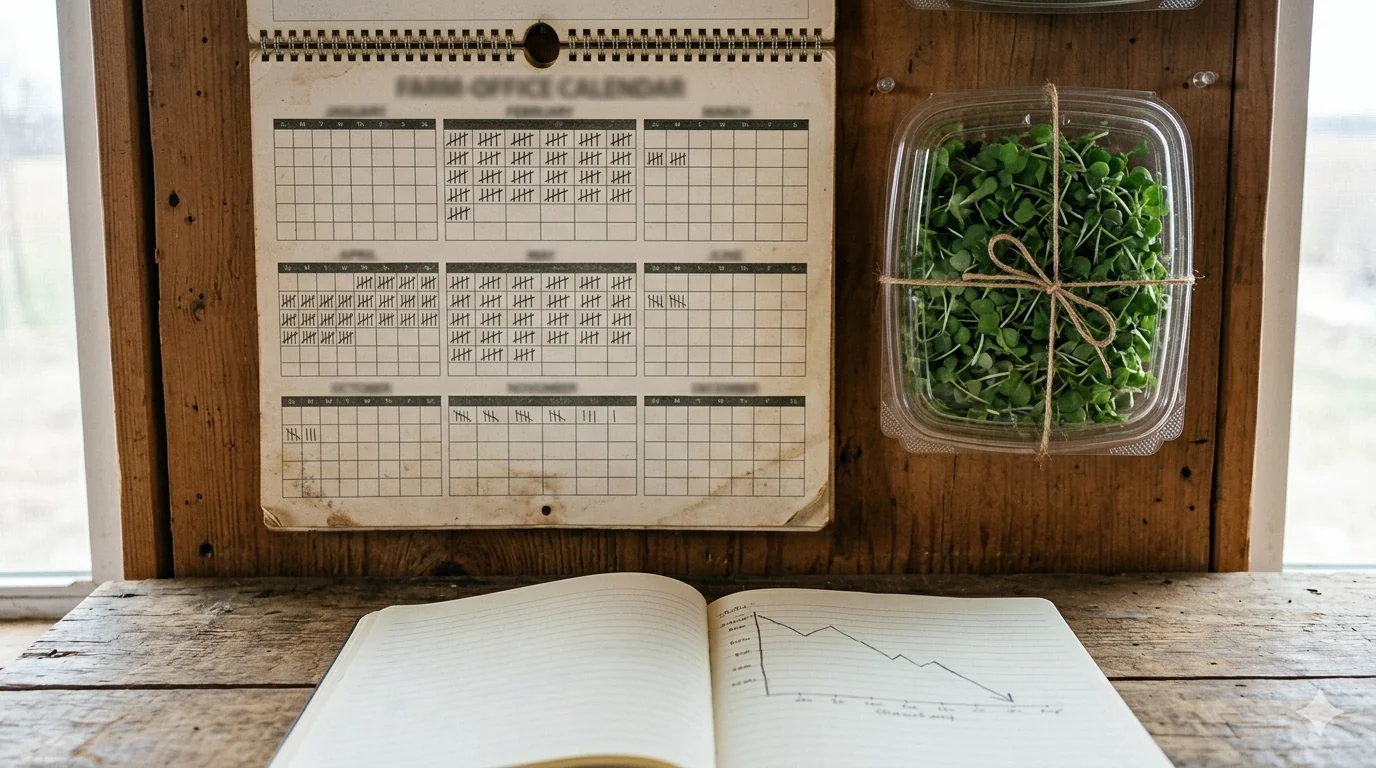
CSA churn is not a marketing problem, it is a product problem. Year 3 members want variety their grocery store cannot match. Microgreens are the highest-margin add-on a CSA can offer. Here is the data.
Read More →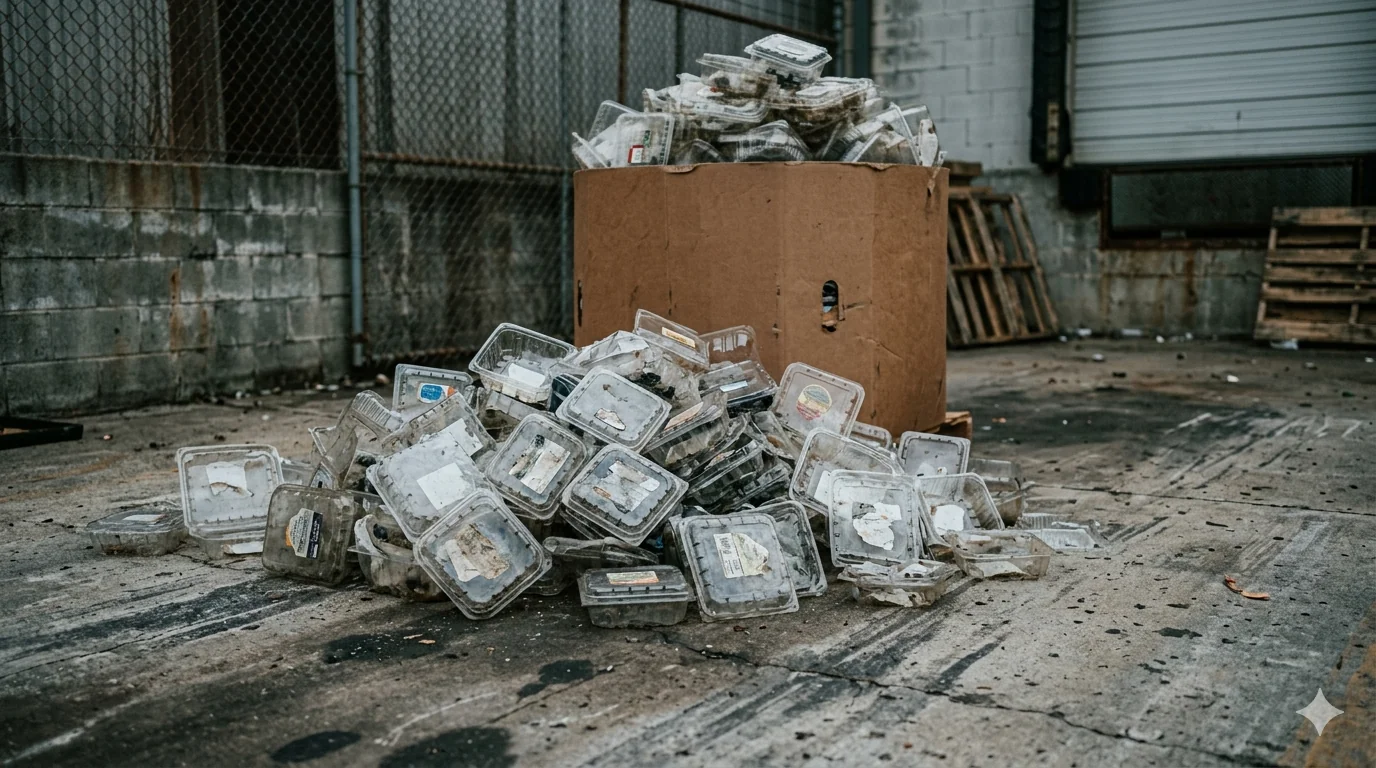
A plastic clamshell costs the producer 12 cents at wholesale. The full lifecycle cost is closer to $1.50. The producer pays the 12 cents. Society pays the rest. Here is the externalized math.
Read More →
Grocery store microgreens travel 1500+ miles. Amazon Fresh microgreens travel through 3 warehouses. Local farm-direct microgreens travel from a Schwenksville, PA grow room to your door in under 24 hours. The side-by-side.
Read More →
Microgreens are tiny, crunchy, colorful, and packed with up to 40x more nutrition. Kid-friendly varieties and simple ways to sneak greens into meals.
Read More →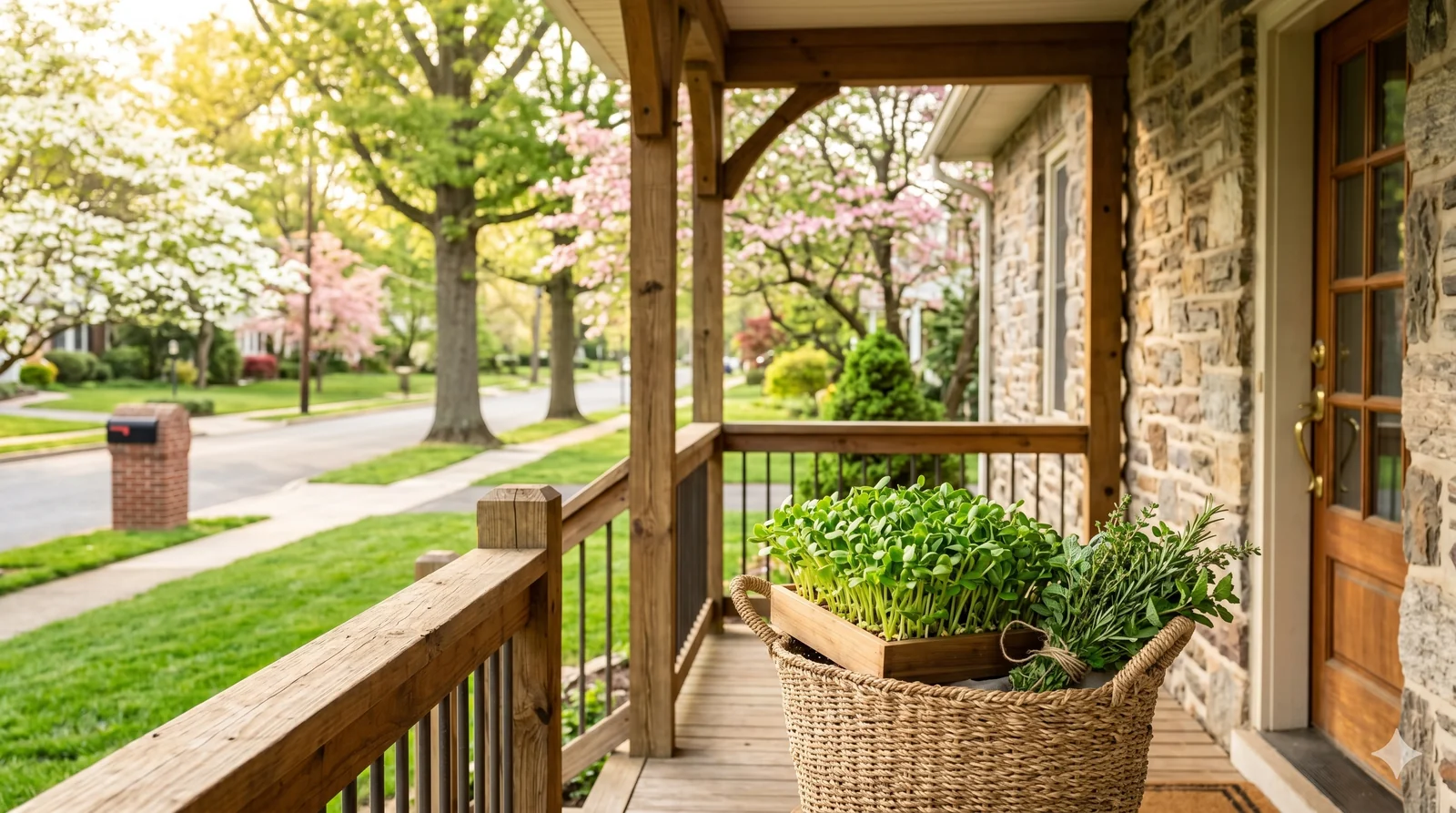
Freshest microgreens in Montgomery County, PA, grown 12 miles from King of Prussia and cut the morning of delivery. 27 varieties, free local delivery to every Montco town. Start your subscription.
Read More →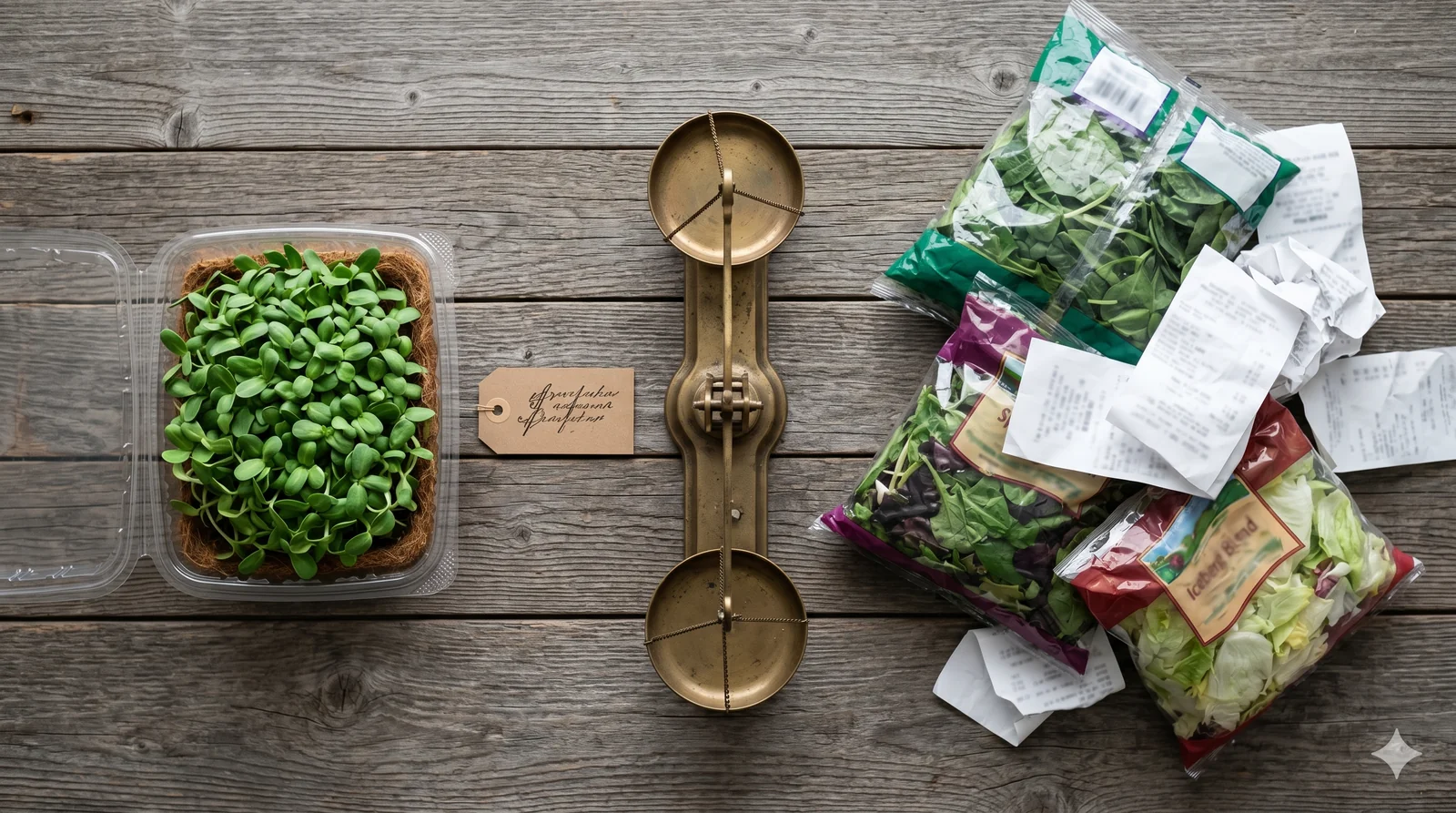
Bagged salad runs about $24 per week with 30 to 40 percent landing in the trash. A microgreens subscription is $20 a week with under 5 percent waste. Here is the side-by-side math, and the line item that makes the math obvious.
Read More →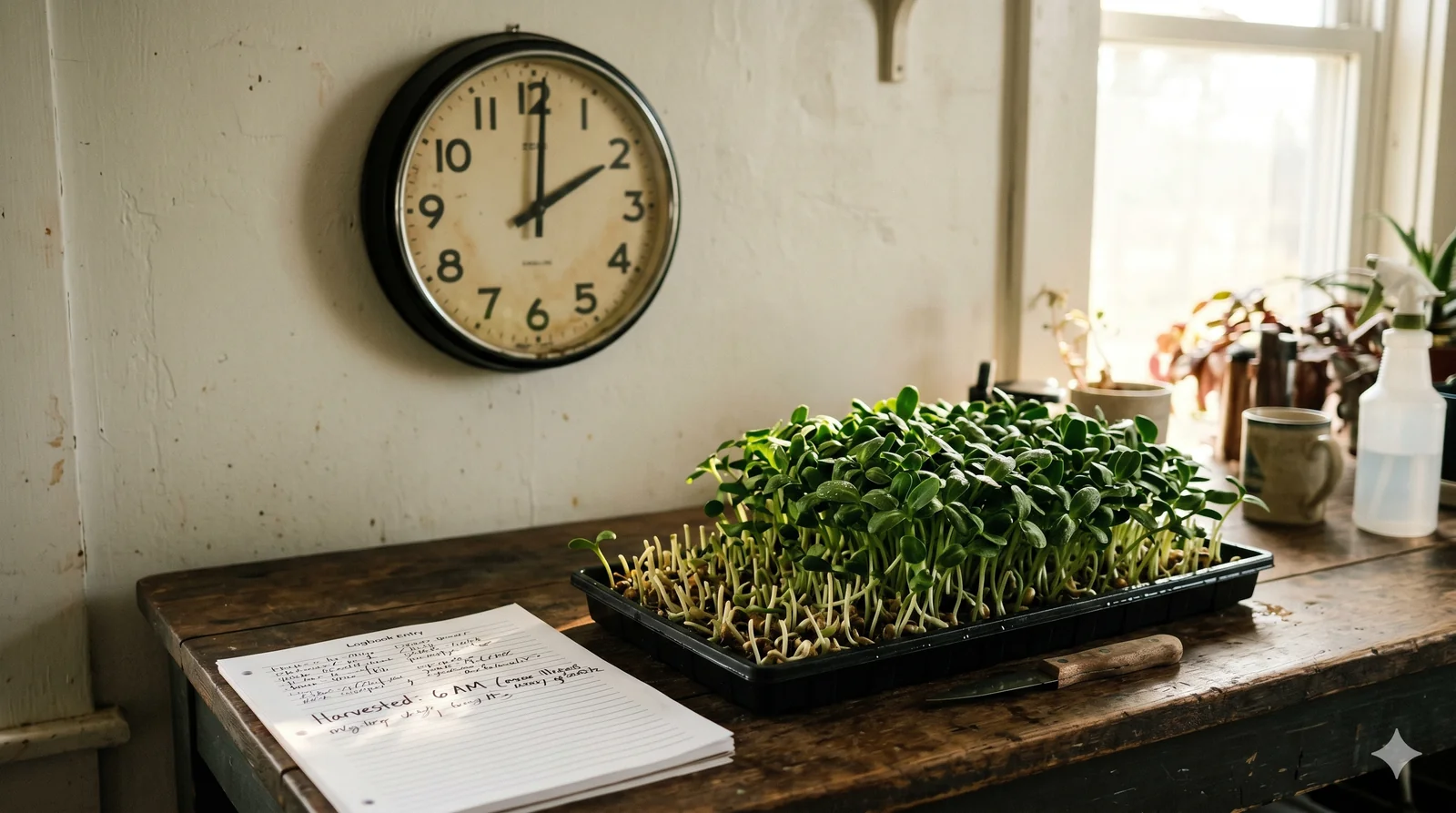
Microgreens cut at 6am and delivered by 2pm hold for two weeks in your fridge. Microgreens cut 4 days ago hold for 4 days. The difference is plant biology, not marketing copy.
Read More →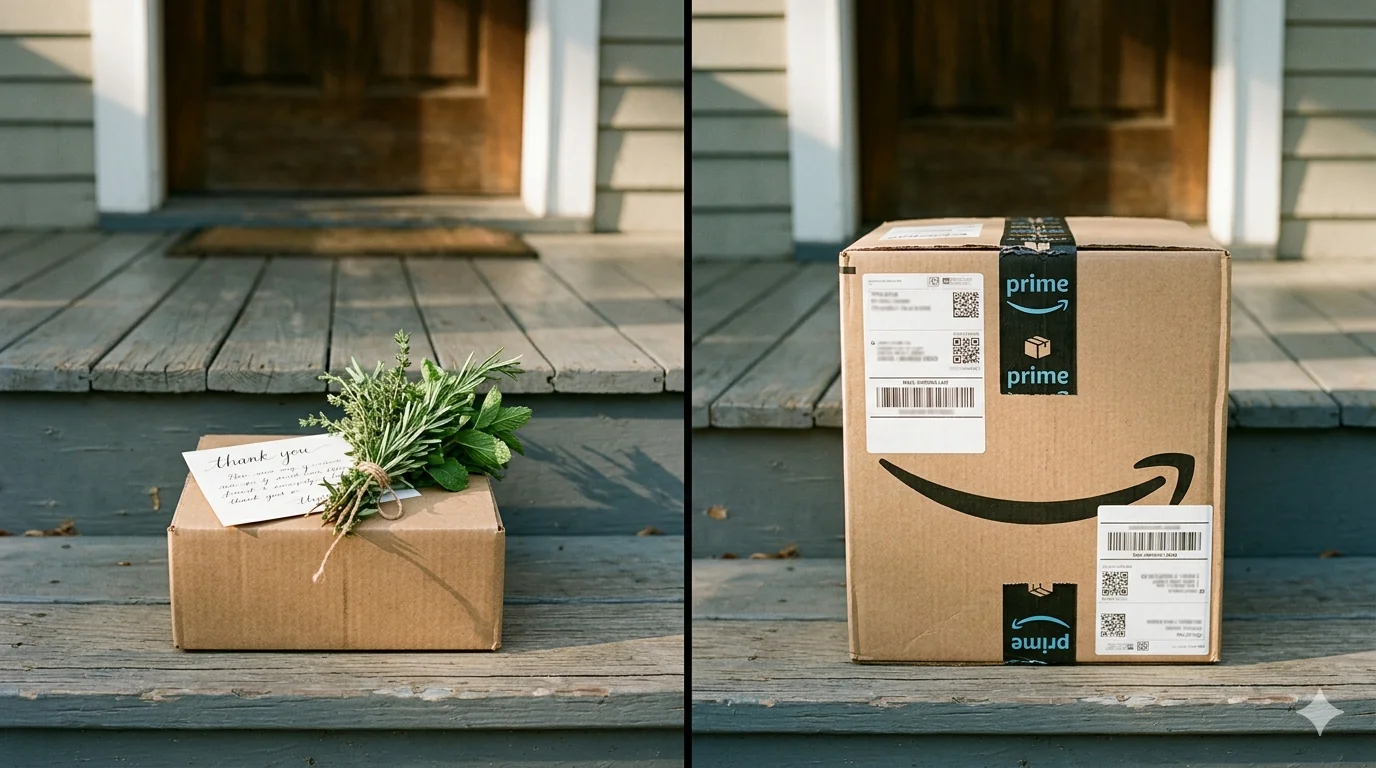
Amazon Fresh built its cold chain for shelf-stable products. Microgreens are not shelf-stable. The infrastructure mismatch shows up at your fridge. Here is the honest comparison and where Amazon still wins.
Read More → Almost any seed will sprout. That is not the same as safe to eat. Bird seed and dollar-store packets skip pathogen testing, carry fungicide coatings, and the low-germination ones grow mold from the seeds that never sprout. Here is what a real microgreen seed has to pass, and how microGREEN FX removes the risk.
Read More →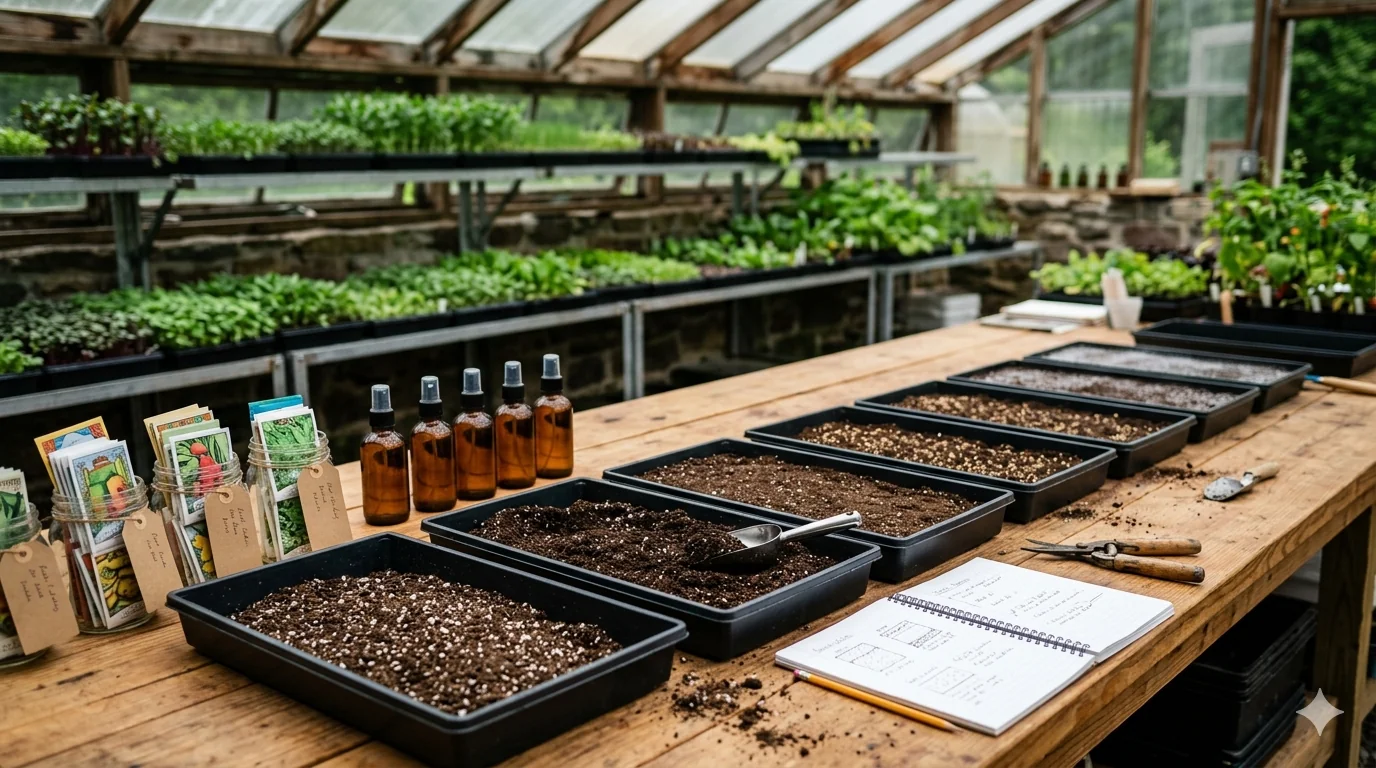
Most workshops post a vague "learn to grow microgreens" headline and never tell you what is actually covered. Here is the full 3-hour curriculum, hour by hour.
Read More →
Pregnancy is the one time when small dietary differences produce measurable health outcomes. Folate, iron, choline, calcium, here is which microgreens deliver. Always discuss with your OB.
Read More →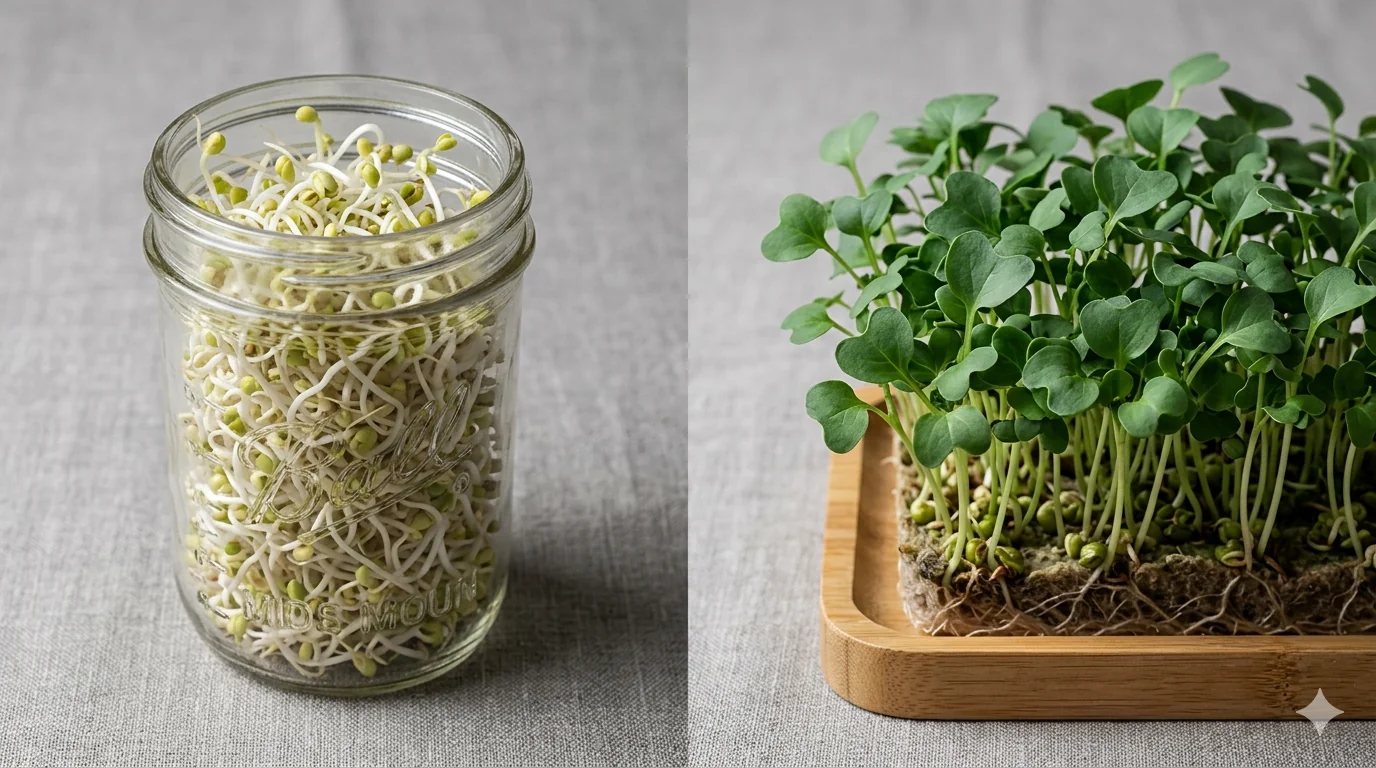
Both deliver dramatically more sulforaphane than mature broccoli. The differences between sprouts and microgreens are about safety, texture, and shelf life, not bioactive content. Here is the side-by-side.
Read More →
Modern produce contains fewer vitamins than 50 years ago. The science behind the decline and how microgreens help close the nutrition gap.
Read More →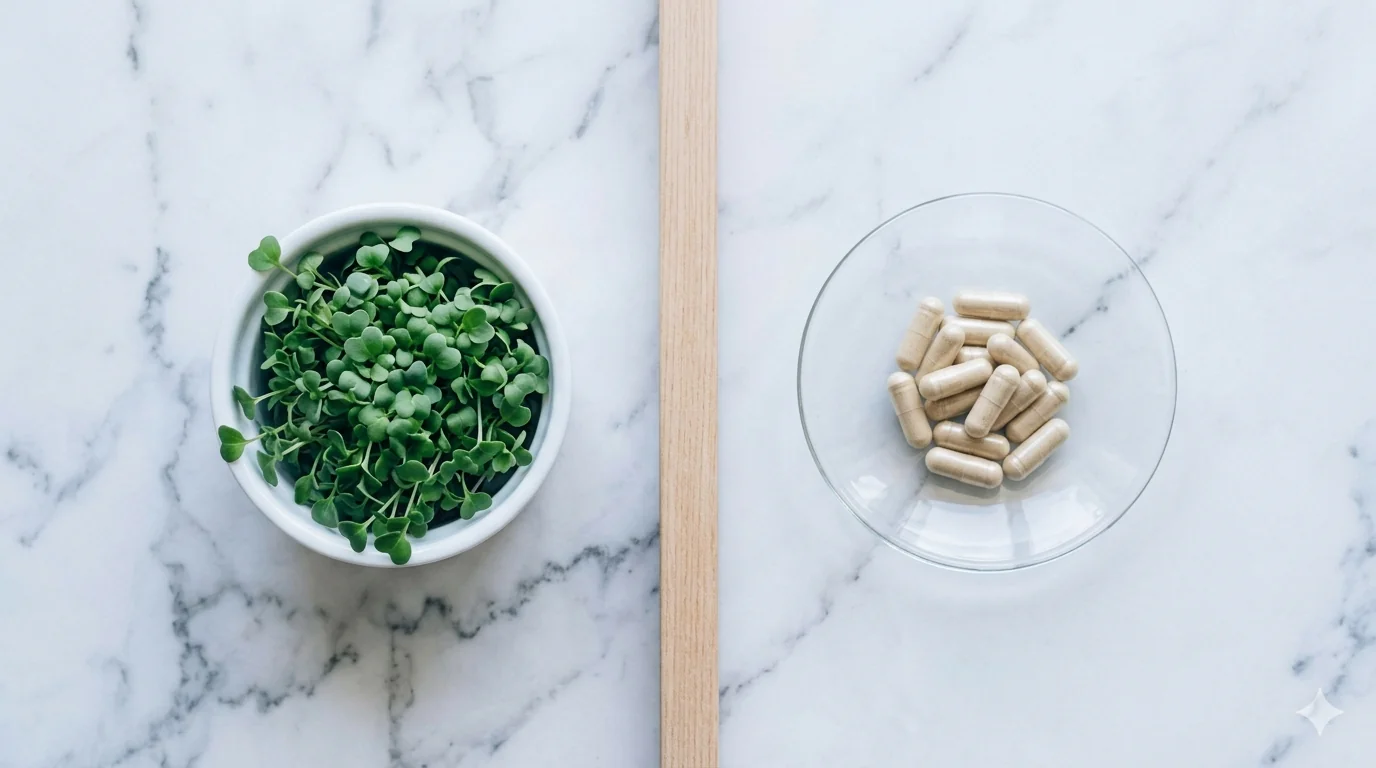
Most "sulforaphane supplements" actually contain glucoraphanin (the precursor) without active myrosinase. Fresh raw broccoli microgreens deliver both. Research-backed comparison of bioavailability.
Read More →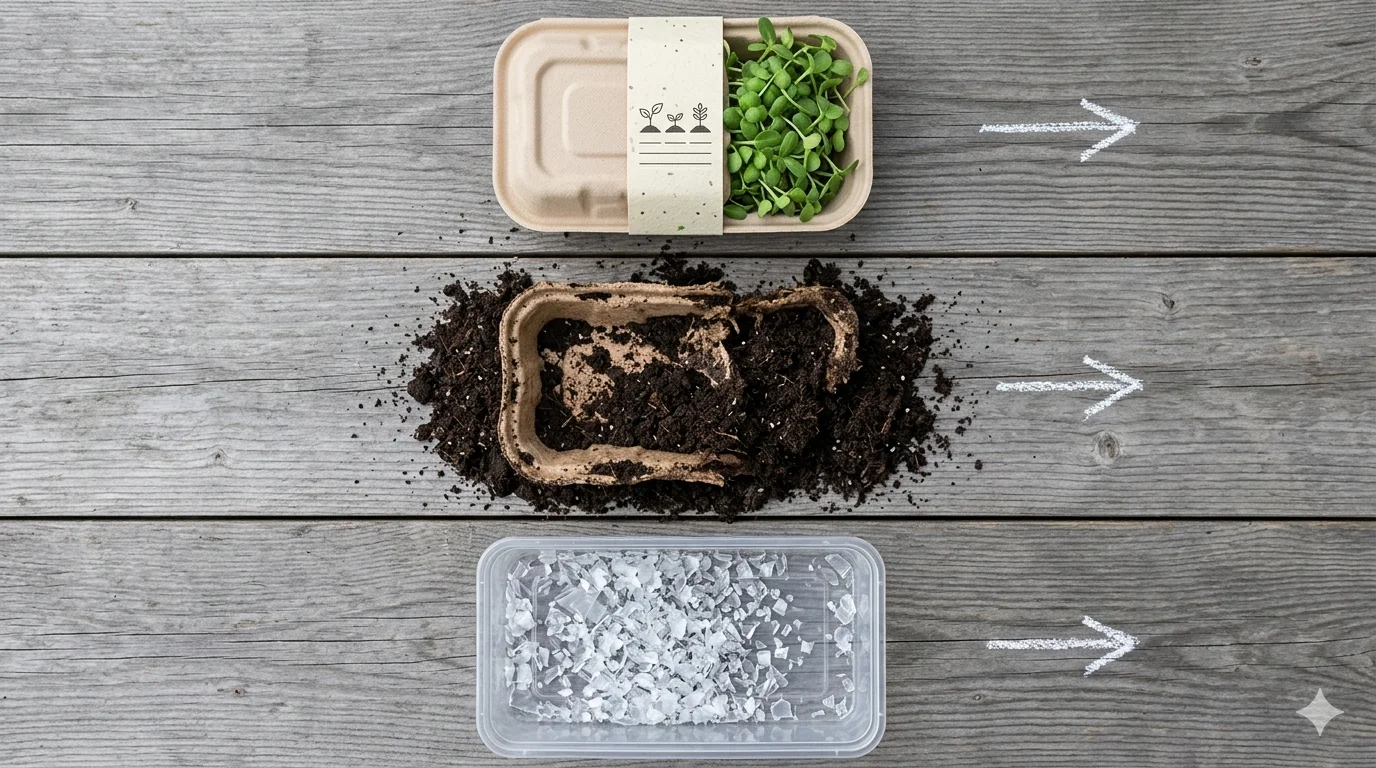
Three terms get used interchangeably in food packaging marketing. They are not interchangeable. One ends as compost in your garden, one ends as microplastic, one depends entirely on your local facility.
Read More →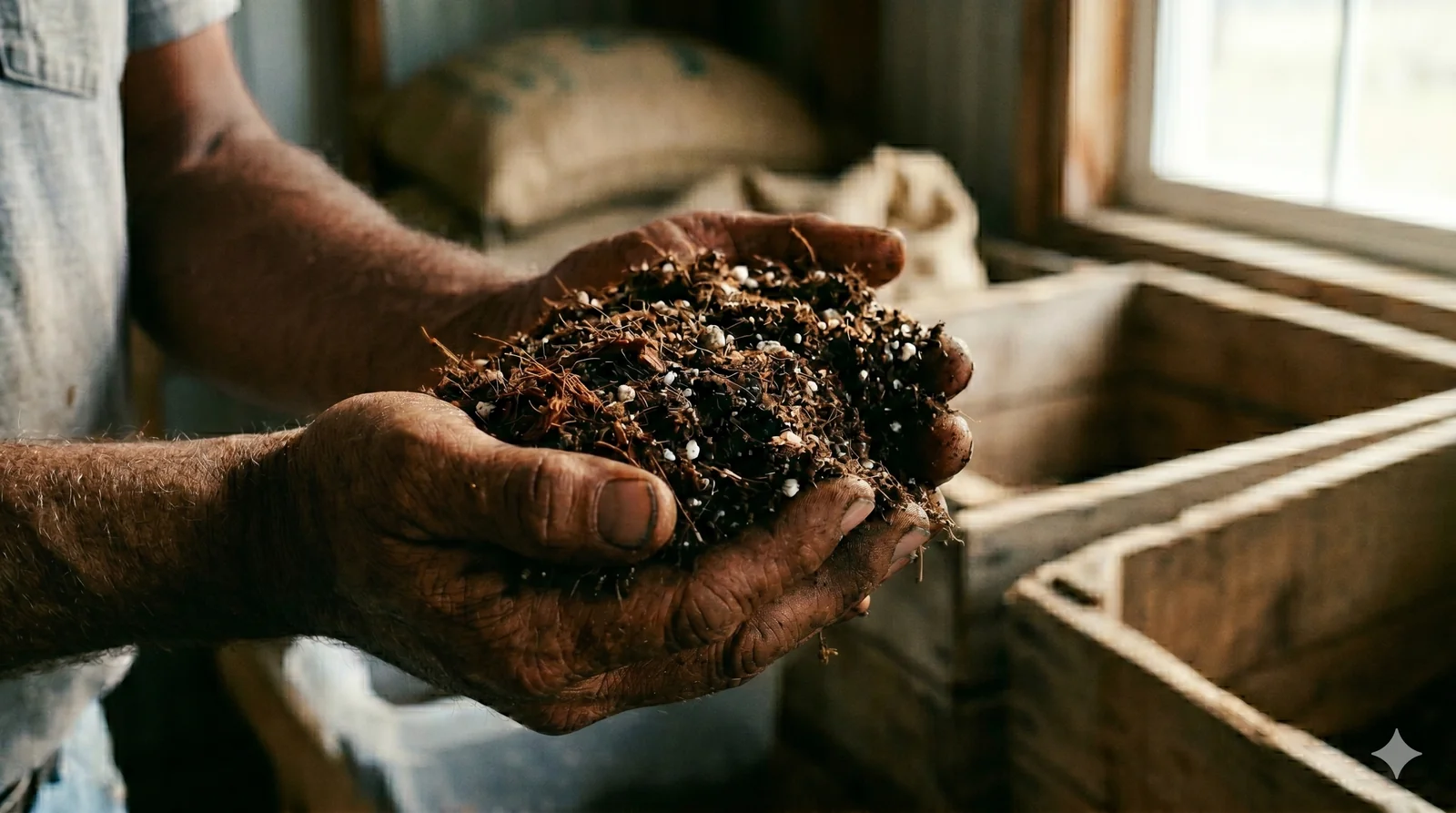
We have crafted our own soil from day 1 of the farm. The early blend used peat moss because it was cheap. Around the start of 2022 we learned what peat extraction costs the planet and rebuilt the blend without it. Here is the honest history.
Read More →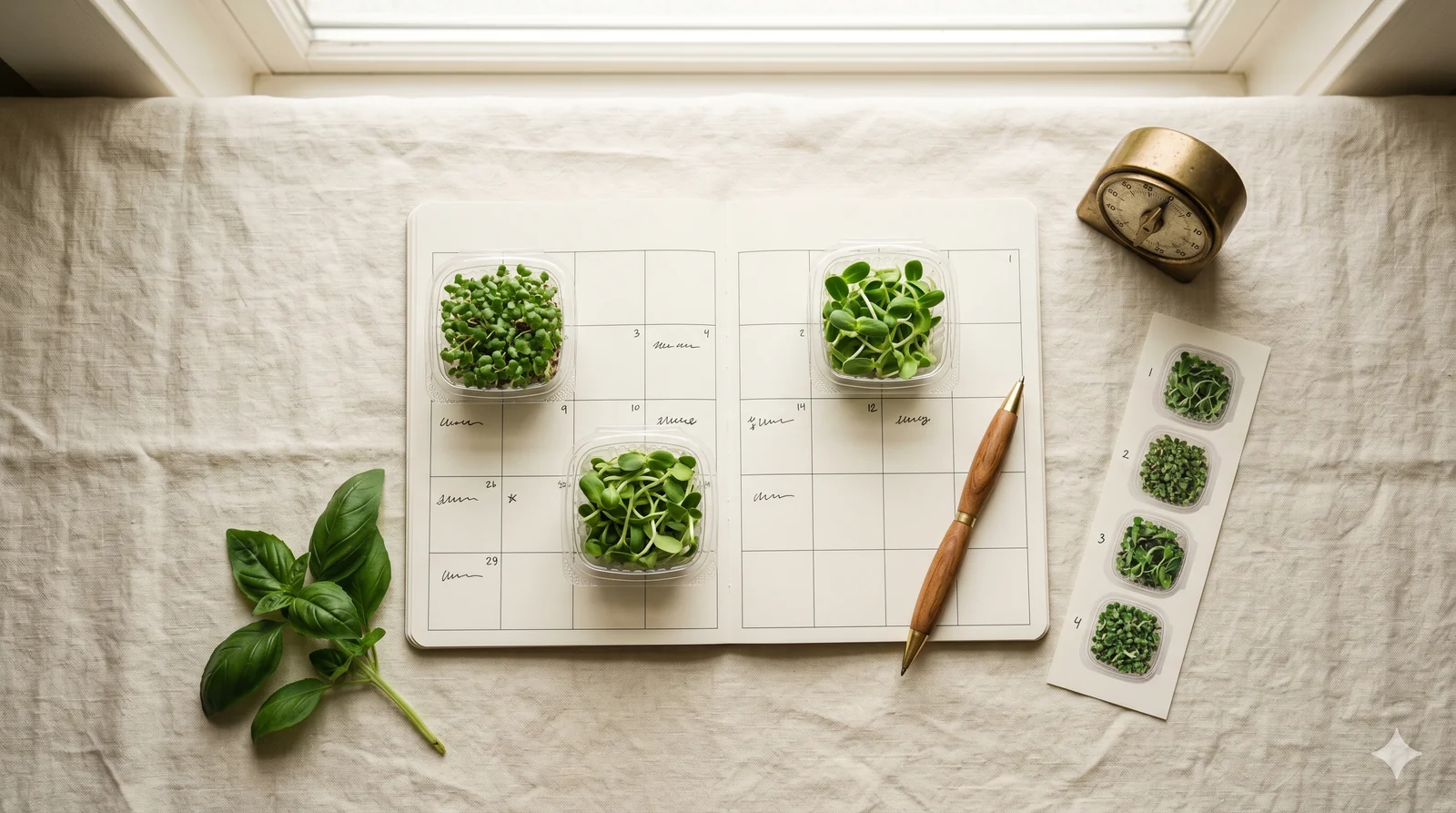
Same tray, same price per delivery, different cadence. Two-adult households usually pick biweekly. Families pick weekly. Here is how to settle the choice before you order, and how to switch if your fridge tells you otherwise.
Read More →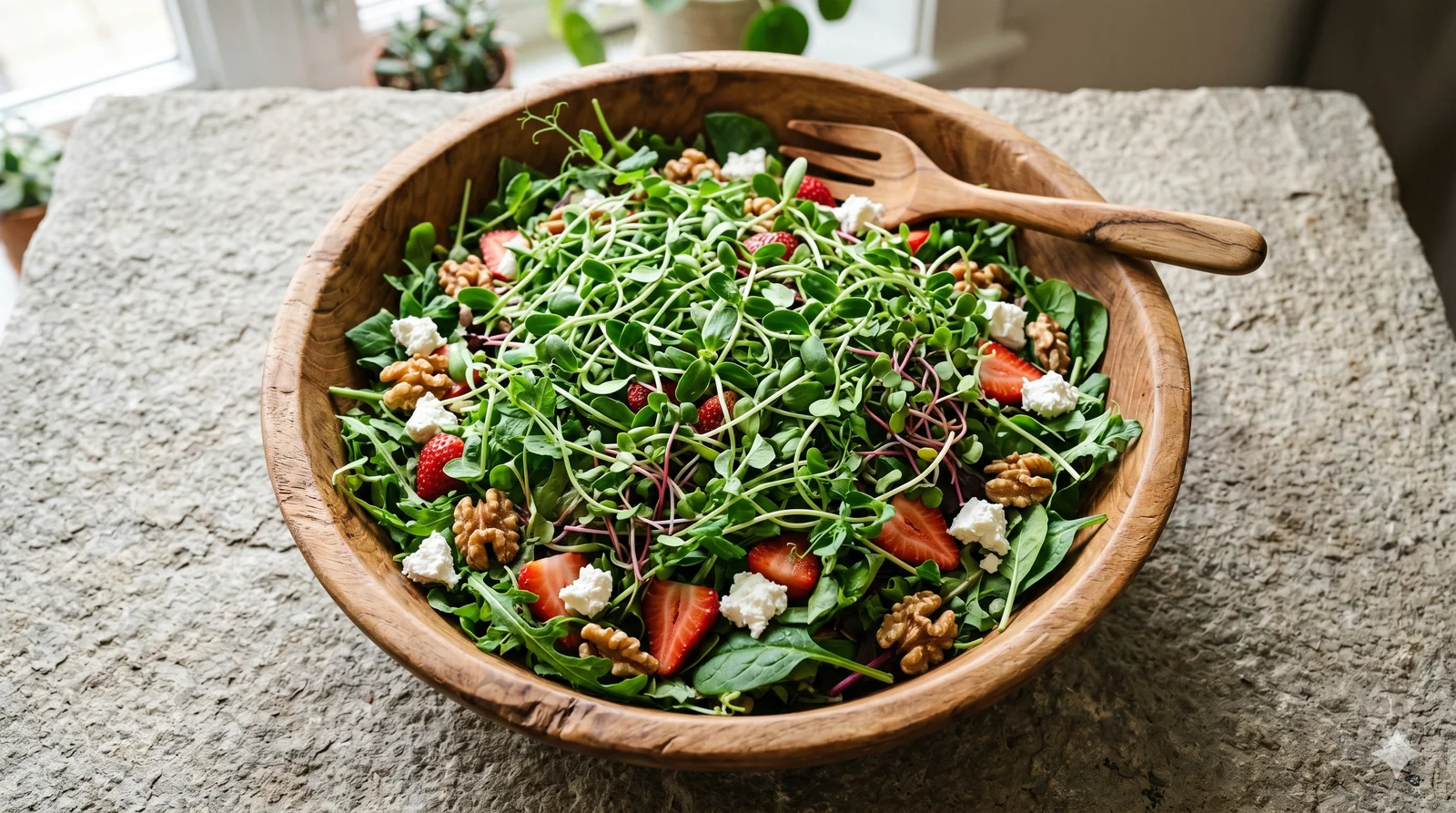
Transform boring salads into nutrient powerhouses. Sunflower, broccoli, radish, and pea shoots add concentrated nutrition and incredible flavor.
Read More →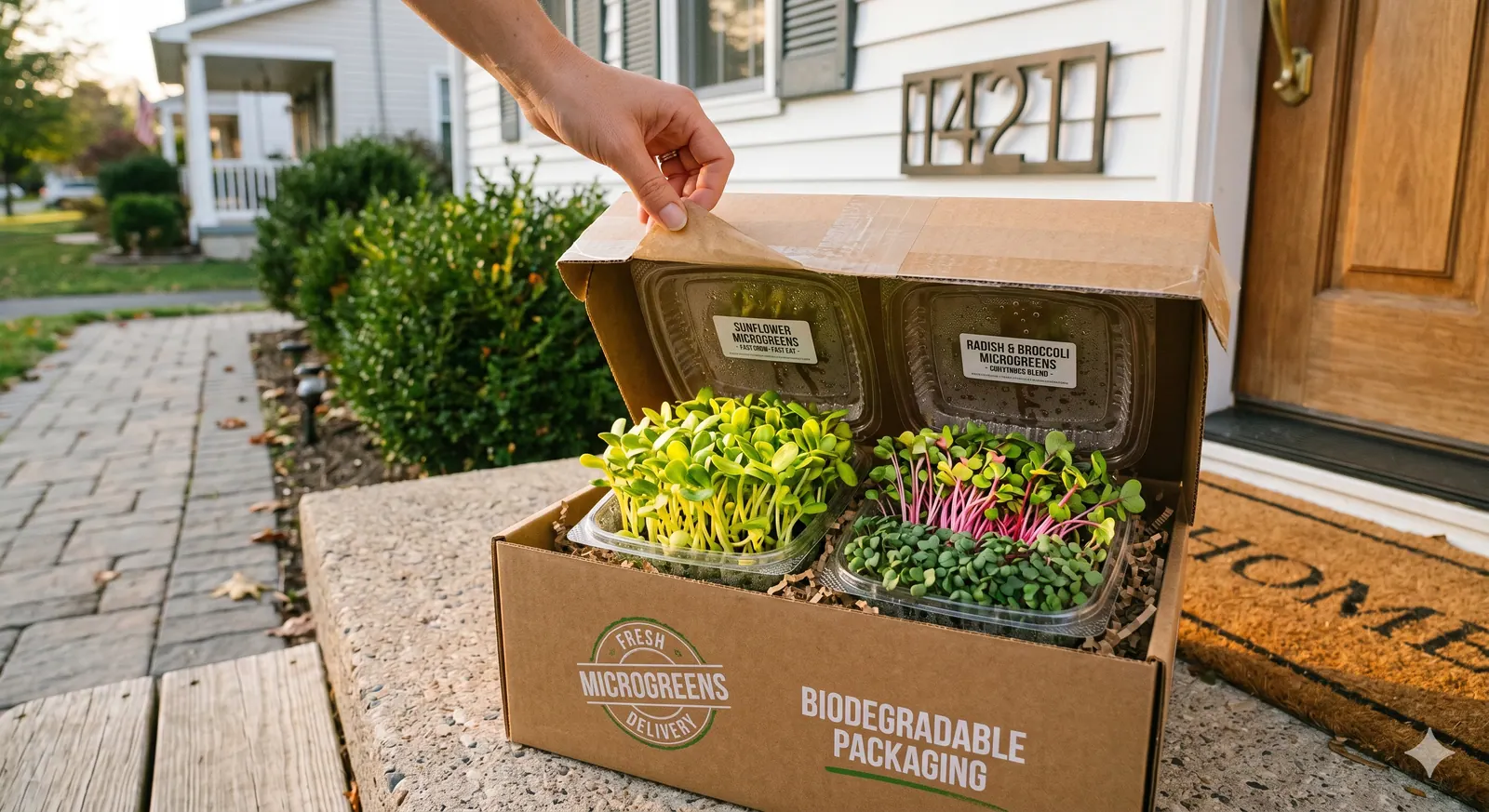
Farm-fresh microgreens delivered weekly or biweekly across Southeast Pennsylvania. Free delivery*. No contracts. 27 varieties starting at $8.
Read More →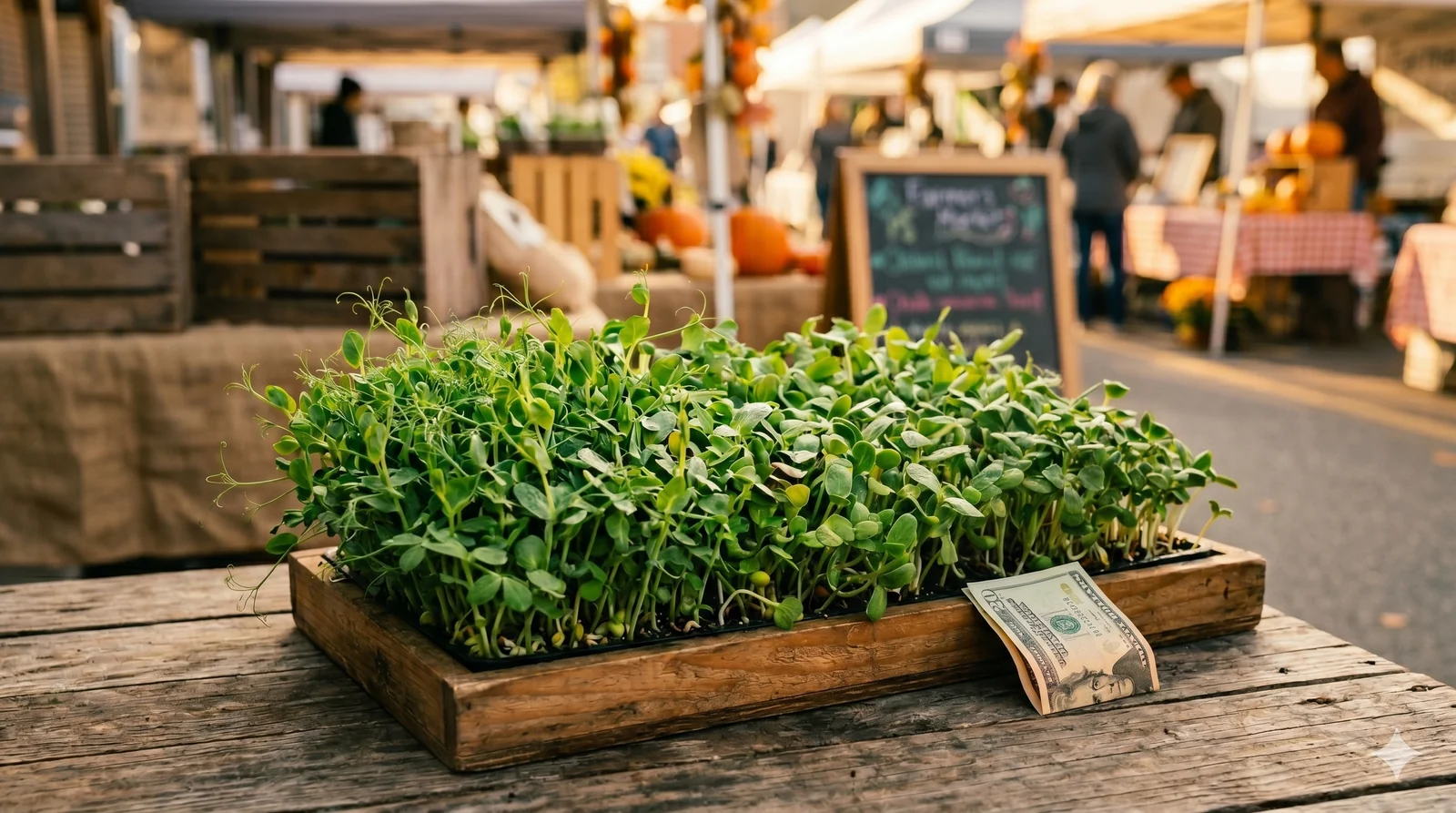
The math behind a $20 tray from a minority-owned farm in Schwenksville, PA. Local multiplier effect, wealth-gap mechanics, and why where you spend $20 actually matters in Montgomery County.
Read More →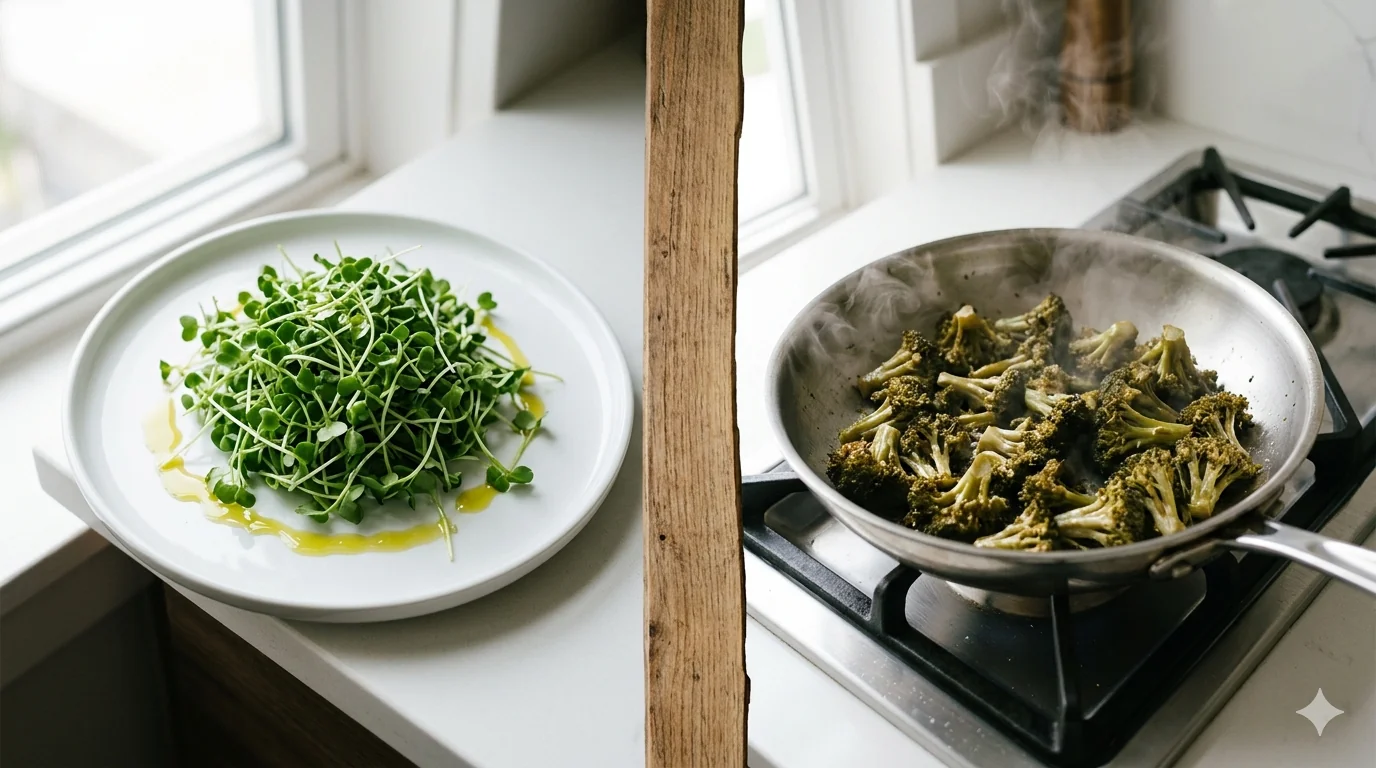
Most people steam their broccoli thinking they are doing the healthy thing. They are also destroying the single most-studied compound the plant produces. Here is the research and the fix.
Read More →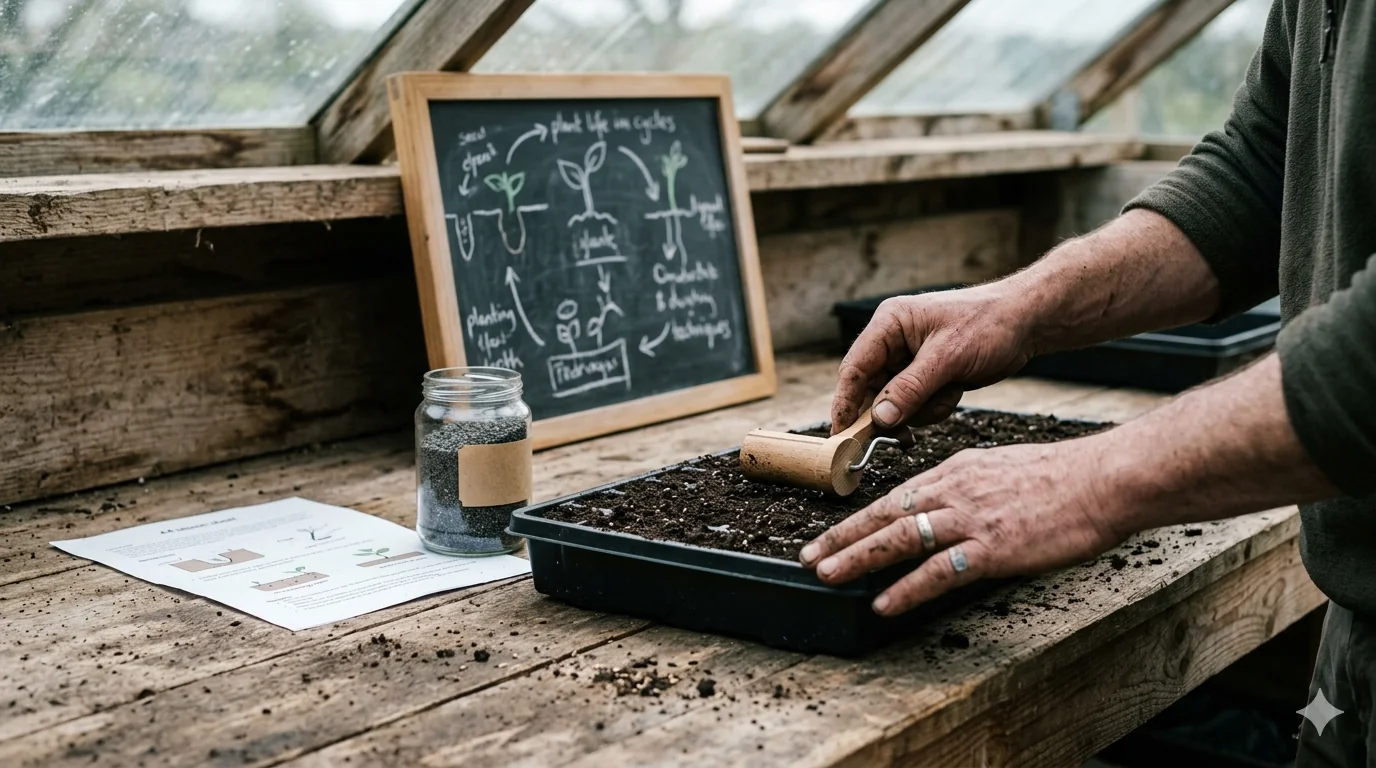
Most YouTube tutorials and weekend workshops teach microgreen growing the wrong way. The right class teaches what kills home setups by month 3, not just how to plant a single tray. Here is what to look for.
Read More →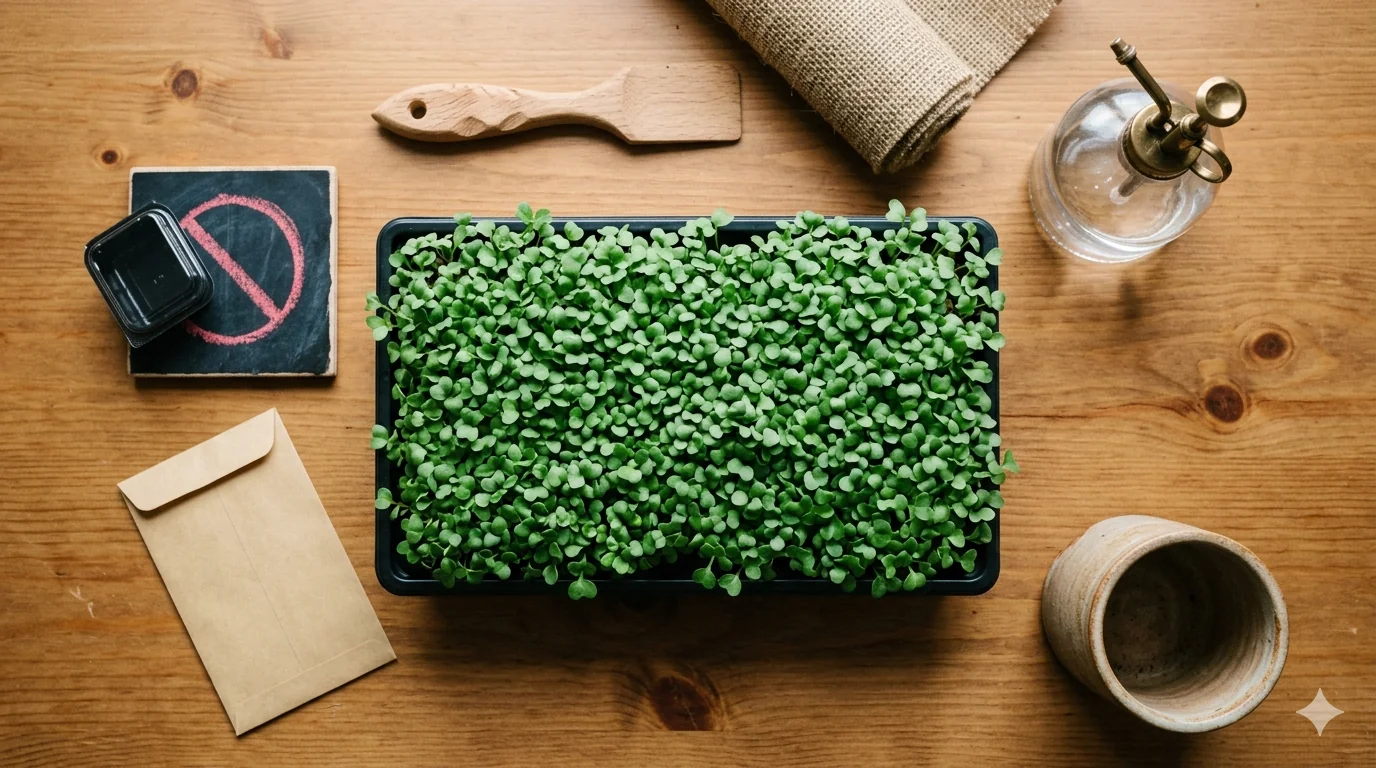
Most "natural" microgreens are still grown using petroleum-derived inputs at multiple supply-chain points. Petroleum-free is rare. Here is what it actually requires.
Read More →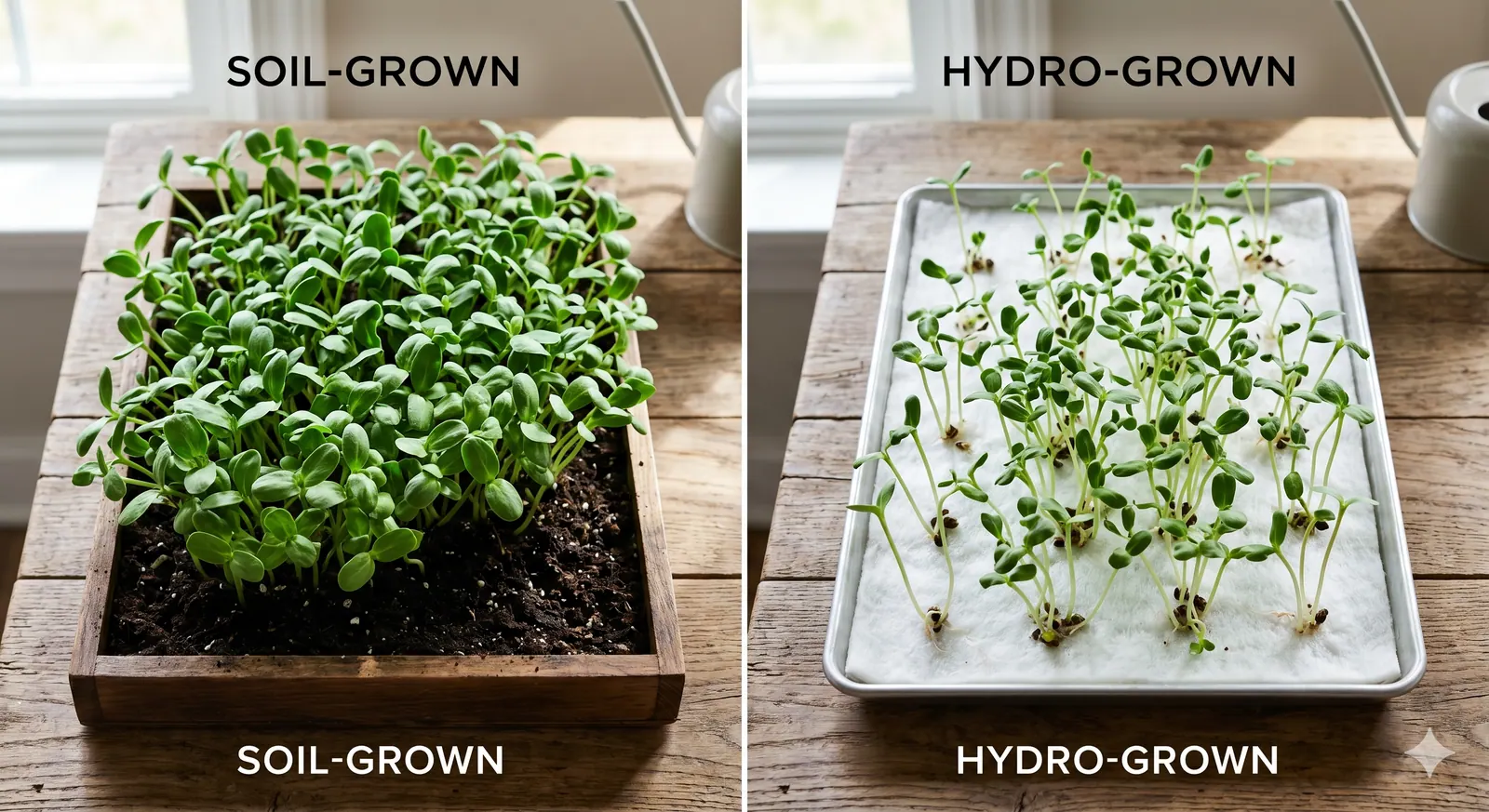
Soil vs hydroponic microgreens compared. Learn the pros, cons, flavor differences, and why we use a custom OMRI-certified soil blend for superior results.
Read More →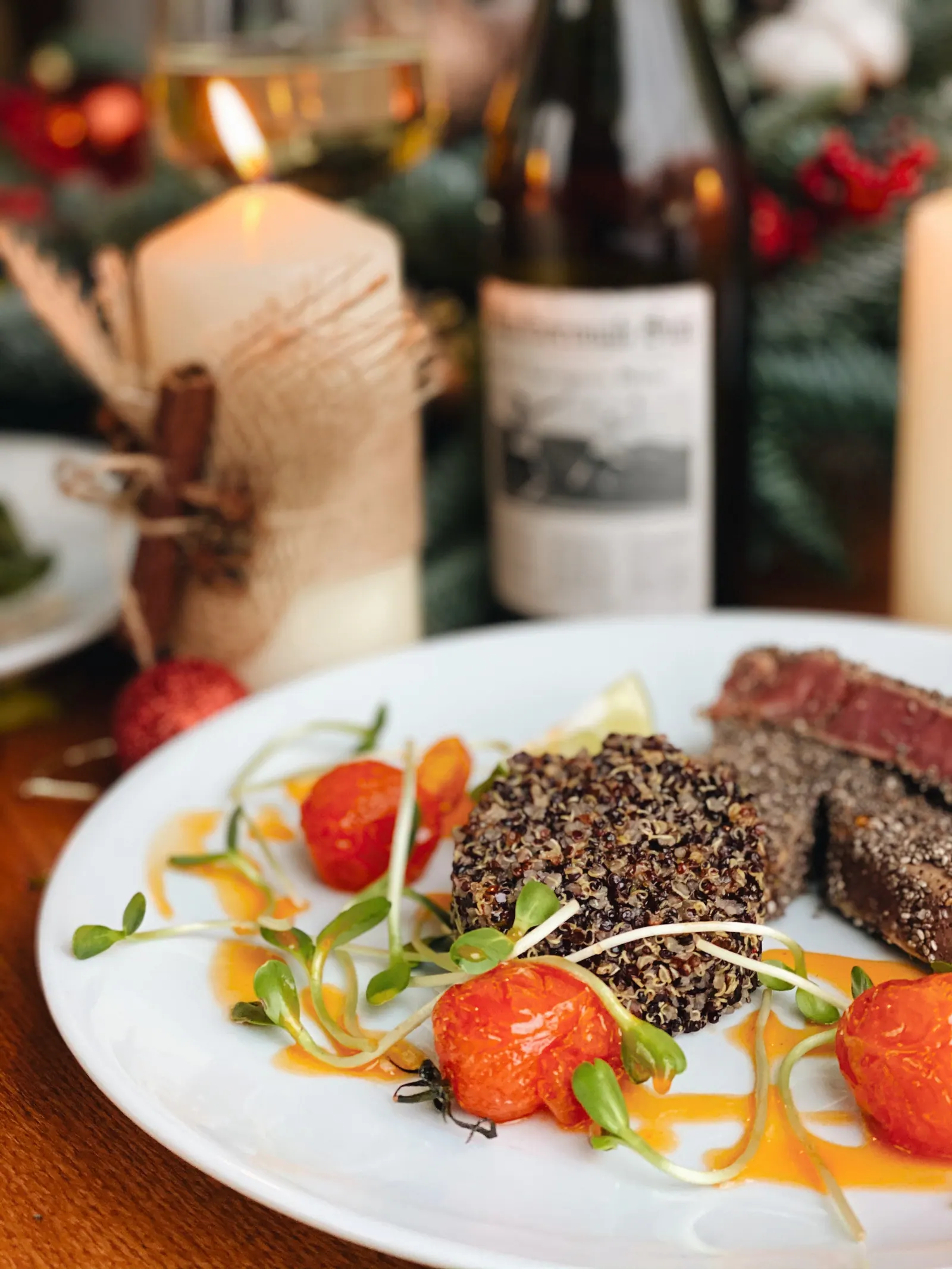
Most vegetables and herbs make safe microgreens, but some plants are genuinely toxic in their seedling stage. Know the difference before you grow or eat.
Read More →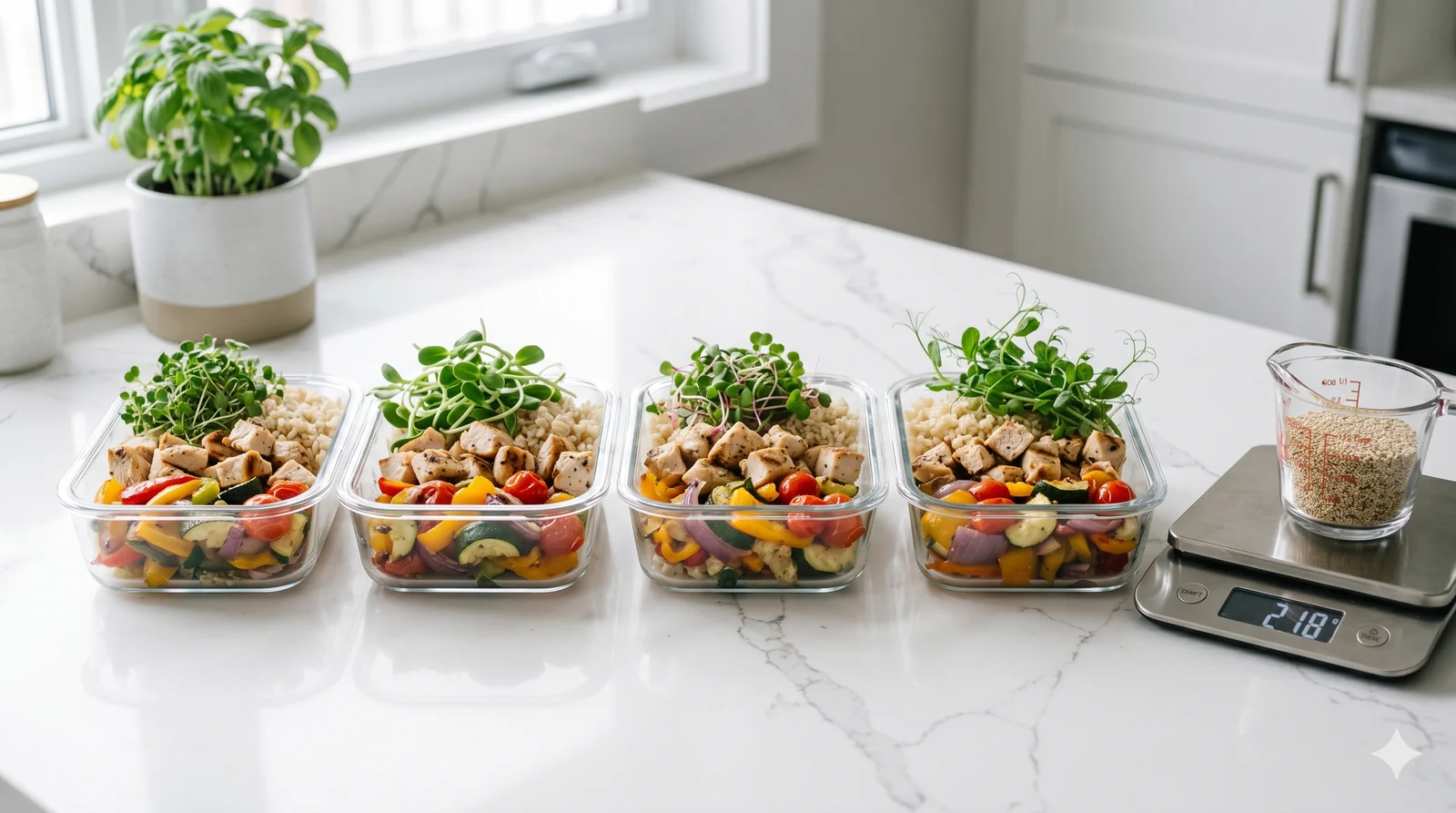
No food melts fat. But microgreens are low-calorie, high-fiber, nutrient-dense, and integrate into existing meals, which is exactly what sustainable weight loss eating actually looks like. Here is the honest version.
Read More →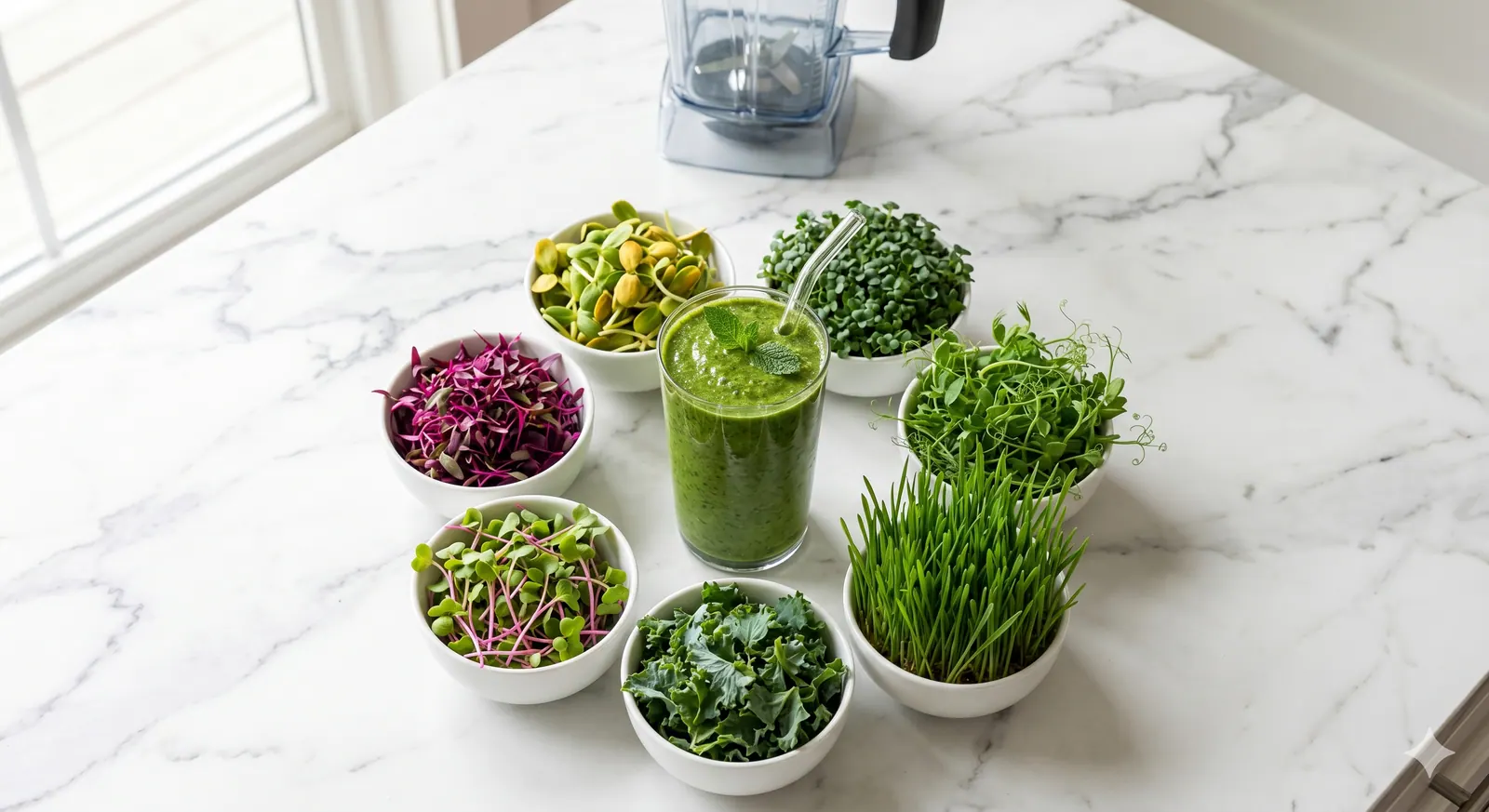
Broccoli, sunflower, pea shoots, wheatgrass, kale, radish, and garnet amaranth. Flavor profiles, nutrition data, and smoothie pairing tips.
Read More →Skip the wilted store-bought greens. microGREEN FX grows to order, so you get peak nutrition and flavor every single time.

Mixie
microGREEN FX helper